
Beautiful Plants For Your Interior
Beautiful Plants For Your Interior
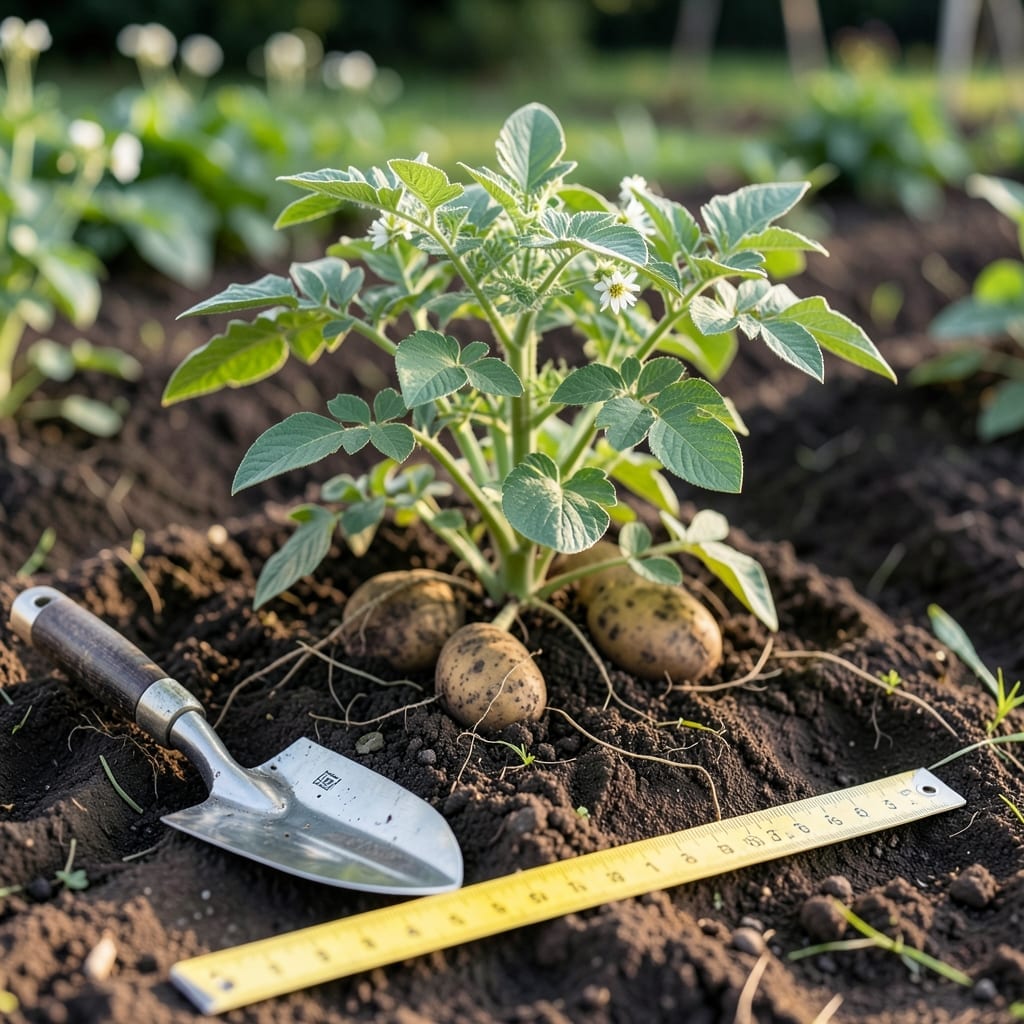
Planting seed potatoes at the right depth can make or break your 🥔 Potato harvest. Many gardeners don’t realize that something as simple as how deep you plant can affect tuber formation and yield.
I’ve seen firsthand how proper depth prevents disease and encourages healthy growth. Whether you’re using rows, containers, or raised beds, getting this step right is the key to success.
Let me walk you through the best practices for planting depth, so you can enjoy a bountiful crop come June – August.


Getting the planting depth right is crucial for healthy seed potatoes. The depth affects tuber formation, disease resistance, and overall yield. I’ve found that 4-6 inches is ideal for most methods, but adjustments are needed based on your setup.
Whether you’re using in-ground rows, containers, or raised beds, depth plays a key role. Too shallow, and tubers may turn green from sun exposure. Too deep, and sprouting can be delayed, stunting growth.
| Planting Method | Depth | Spacing |
|---|---|---|
| In-Ground Rows | 4-6 inches | 12 inches apart |
| Hills | 6 inches | 12-15 inches apart |
| Containers | 4 inches | 8-10 inches apart |
| Raised Beds | 4-6 inches | 10-12 inches apart |
For in-ground rows, I recommend planting 4-6 inches deep with 12 inches between each seed potato. This depth ensures tubers develop below the surface, protected from light and pests.
If you’re using the hilling method, start with a 6-inch depth and space seeds 12-15 inches apart. As the plants grow, you’ll mound soil around the stems to encourage more tuber production.
Containers are a great option for small spaces. Here, a 4-inch depth works best, with seeds spaced 8-10 inches apart. Ensure the container is at least 12 inches deep to accommodate growth.
In raised beds, aim for 4-6 inches deep with 10-12 inches between seeds. Raised beds warm up faster in spring, so planting slightly shallower can help speed up sprouting.
Remember, soil type matters. In heavy clay, plant a bit shallower to prevent waterlogging. In sandy soil, you can go slightly deeper to retain moisture.
Always place seed potatoes with the eyes facing up. This ensures sprouts grow upward toward the surface. Cover them with loose, well-draining soil to promote healthy root development.
After planting, water thoroughly but avoid soggy soil. Potatoes need consistent moisture but can rot in waterlogged conditions. A 1-2 inch watering per week is ideal in most climates.☀️
I’ve seen gardeners struggle with seed potato depth more than almost any other planting step. Planting too shallow can expose tubers to sunlight, turning them green and producing toxic solanine.
On the flip side, planting too deep can delay sprouting or even cause rot in heavy soils. The sweet spot is 4-6 inches for most conditions, but soil type and climate matter too.
Too Shallow: Tubers exposed to light turn green and bitter. Always cover with at least 2 inches of soil.
Too Deep: Sprouts struggle to reach the surface. In clay soil, don’t exceed 4 inches to prevent rot.
In sandy soil, you can plant slightly deeper since it drains well. But in clay-heavy soil, stick to 4 inches max to avoid waterlogging and slow germination.
Another common mistake is planting eyes downward. Always position seed potatoes with eyes facing up to ensure proper growth direction. This small detail can significantly improve your success rate.
Climate plays a role too. In cool spring climates, planting at 6 inches can protect from late frosts. In warmer regions, 4 inches is often sufficient to prevent overheating.
Finally, remember that hilling is essential. Even if you plant at the perfect depth initially, you’ll need to add soil around stems as plants grow to encourage more tuber formation and prevent light exposure.🌱