
Beautiful Plants For Your Interior
Beautiful Plants For Your Interior
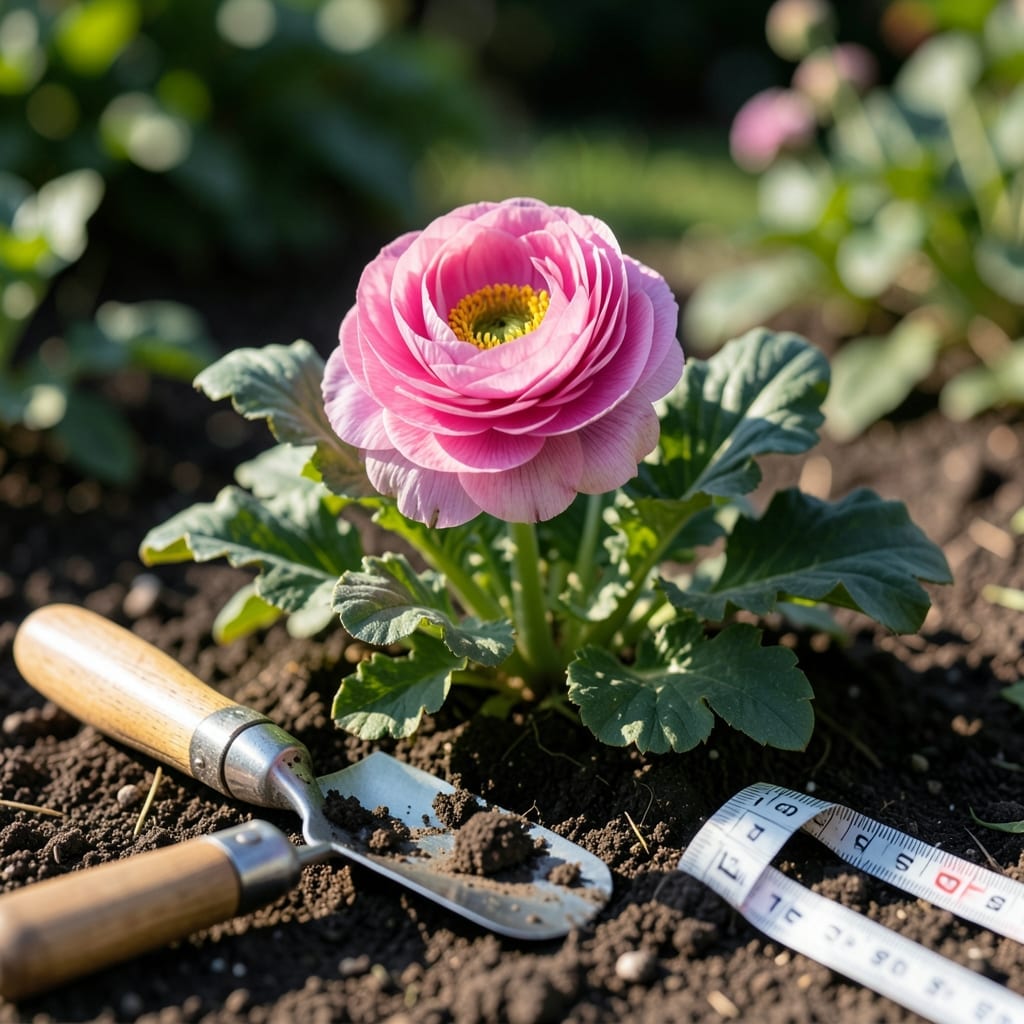
Planting ranunculus at the wrong depth can mean the difference between vibrant blooms and a disappointing display. I’ve seen both outcomes firsthand, and trust me, getting it right is simpler than you think.
The 🌼 Ranunculus rewards precision. Just 2 inches deep is the sweet spot for corms, while seeds need a mere 1/4 inch of soil cover. It’s a small detail that makes a huge difference.
Timing matters too. For USDA Zone 6, spring planting ensures your flowers thrive when the weather warms. Skip the guesswork and follow these proven steps.
I’ll walk you through soil prep, spacing, and care so your ranunculus not only survives but flourishes. Let’s make your garden the envy of the neighborhood.
Getting the planting depth right is crucial for ranunculus corms and seeds to thrive. For corms, I always plant them 1-2 inches deep, with the claw-like roots facing downward. This ensures they establish properly and produce vibrant blooms.
If you’re starting with ranunculus seeds, they should be planted much shallower—just 1/4 inch deep. This depth allows them to receive the light they need to germinate while staying secure in the soil.
| Plant Type | Depth | Spacing |
|---|---|---|
| Corms | 1-2 inches | 4-6 inches apart |
| Seeds | 1/4 inch | 1-2 inches apart |
Before planting, I recommend soaking corms in water for 3-4 hours to rehydrate them. This step significantly improves their chances of sprouting quickly and uniformly.
The soil preparation is just as important as the depth. I always ensure the soil is well-draining and enriched with organic compost. Ranunculus hate soggy roots, so avoid heavy clay soils.
For optimal growth, plant your ranunculus in a spot with full sun exposure. They need at least 6 hours of direct sunlight daily to produce those stunning, layered blooms.
When planting multiple corms, space them 4-6 inches apart to give each plant enough room to grow. For seeds, 1-2 inches apart works well, but you’ll need to thin seedlings later.
After planting, water lightly to settle the soil. Overwatering at this stage can cause the corms to rot. I keep the soil moist but not soggy until sprouts appear.
In warmer climates, you can plant ranunculus corms in fall for spring blooms. In cooler zones, wait until early spring after the last frost date has passed.
Remember, patience is key with ranunculus. They may take 2-3 weeks to sprout, but once they do, you’ll be rewarded with long-lasting, colorful blooms that are worth the wait.
🌼Planting ranunculus corms too deep is a common mistake that prevents sprouting. I’ve seen gardeners bury them 4-6 inches down, only to get no blooms. The ideal depth is just 1-2 inches for corms.
Another issue is poor soil drainage. Ranunculus hates soggy roots, so I always amend heavy clay with compost or sand before planting. This keeps the soil light and well-draining. ✂️
⚠️ Avoid These Ranunculus Pitfalls
I’ve learned that soaking corms for 3-4 hours before planting helps them sprout faster. This simple step gives them a hydration boost before they hit the soil.
It’s also easy to overlook spacing. Crowded corms compete for nutrients and water, leading to weak stems and smaller blooms. I aim for 6 inches apart in all directions.
Lastly, don’t plant in cold, wet soil. Ranunculus prefers warmer conditions (above 50°F). In cooler climates, I start them in containers indoors before transplanting.
By avoiding these common errors, you’ll set your ranunculus up for strong growth and abundant blooms all season long. 🌼