
Beautiful Plants For Your Interior
Beautiful Plants For Your Interior
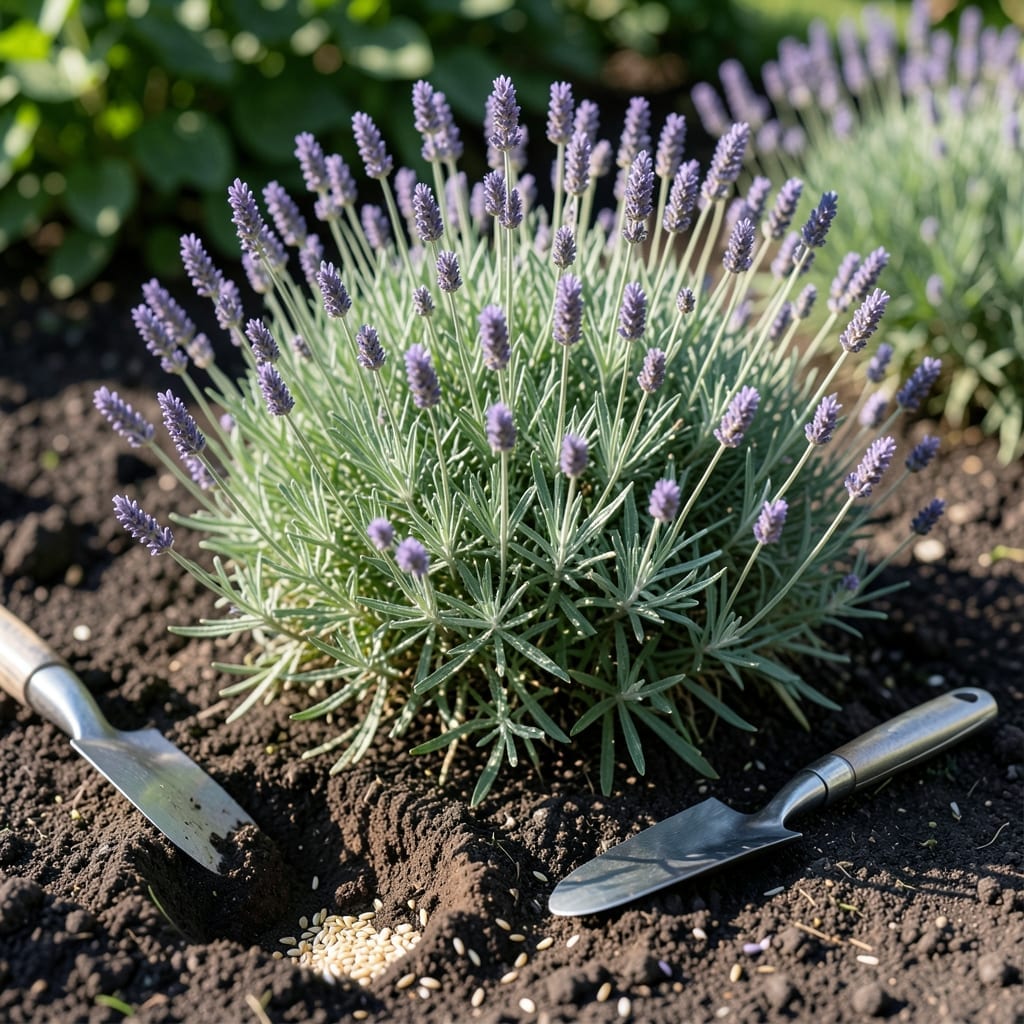
Planting Lavender 🌿 seeds at the right depth can make or break your garden dreams. Get it just right, and you’ll be rewarded with vibrant, fragrant blooms that thrive for years.
I’ve learned the hard way that even small mistakes in planting depth can lead to poor germination or weak plants. The good news? It’s easier than you think to get it perfect.
Discover the simple secrets to planting Lavender seeds that will have your neighbors asking for your gardening advice. Let’s dig in.
Getting the planting depth right is crucial for lavender seeds. These tiny powerhouses need just the right conditions to sprout. I’ve found that 1/8 inch is the sweet spot for most varieties.
This shallow depth allows light penetration, which lavender seeds require to germinate properly. Plant them too deep, and they may never break through the soil surface. Too shallow, and they risk drying out or being washed away.
🌱 Pro Tip:
Lavender seeds need light to germinate. Cover them with a thin layer of soil—no more than 1/8 inch deep. This ensures they get the light they crave while staying anchored.
Lavender seeds are tiny, so precision matters. I use a ruler or the tip of my pencil to measure the depth. It’s a small step that makes a big difference in germination rates.
The soil type also plays a role. Lavender thrives in well-draining soil, so avoid heavy clay. If your soil is dense, mix in some sand or perlite to improve drainage before planting.
Another key factor is moisture control. At 1/8 inch deep, the seeds stay close enough to the surface to avoid waterlogging but deep enough to retain some moisture. Overwatering is a common mistake—keep the soil lightly moist, not soggy.
I’ve noticed that temperature affects germination too. Lavender seeds prefer warm soil, ideally between 70-75°F. If you’re starting indoors, a heat mat can help maintain consistent warmth.
For outdoor planting, wait until after the last frost when the soil has warmed up. In most regions, this is spring or early fall. Lavender is hardy in USDA zones 5-9, so check your local climate.
If you’re using seed trays, fill them with a seed-starting mix and lightly press the seeds into the soil. Cover them with a thin layer of vermiculite or fine soil. This mimics the ideal depth while keeping the environment controlled.
Remember, consistency is key. Whether you’re planting in pots or garden beds, maintain that 1/8 inch depth for every seed. It’s the best way to ensure even germination and strong, healthy seedlings.
With the right depth and care, your lavender seeds will sprout in 14-28 days. Once they’re up, provide plenty of sunlight and good airflow to prevent damping off. 🌿
Planting lavender seeds at the correct depth ensures strong, healthy plants. I always start by selecting high-quality seeds from a trusted supplier. This sets the foundation for successful germination and growth.
Begin with well-draining soil in either seed trays or a prepared garden bed. Lavender hates soggy roots, so ensure your soil mix includes sand or perlite for better drainage.
🌱 Steps to Perfect Planting Depth:
After planting, keep the soil lightly moist but never waterlogged. I use a spray bottle to avoid disturbing the seeds. Consistency in moisture is key during the 14-28 day germination period.
Once seedlings emerge, provide 6-8 hours of direct sunlight daily. If starting indoors, a south-facing window or grow lights work best. Thin seedlings to 2-3 inches apart to prevent overcrowding.
When seedlings have 2-3 true leaves, it’s time to transplant. Space them 12-18 inches apart in the garden. This gives each plant enough room to grow and ensures good air circulation.
Remember, lavender is drought-tolerant once established. Water deeply but infrequently—about every 2-3 weeks. This encourages deep root growth and stronger plants. 🌿