
Beautiful Plants For Your Interior
Beautiful Plants For Your Interior
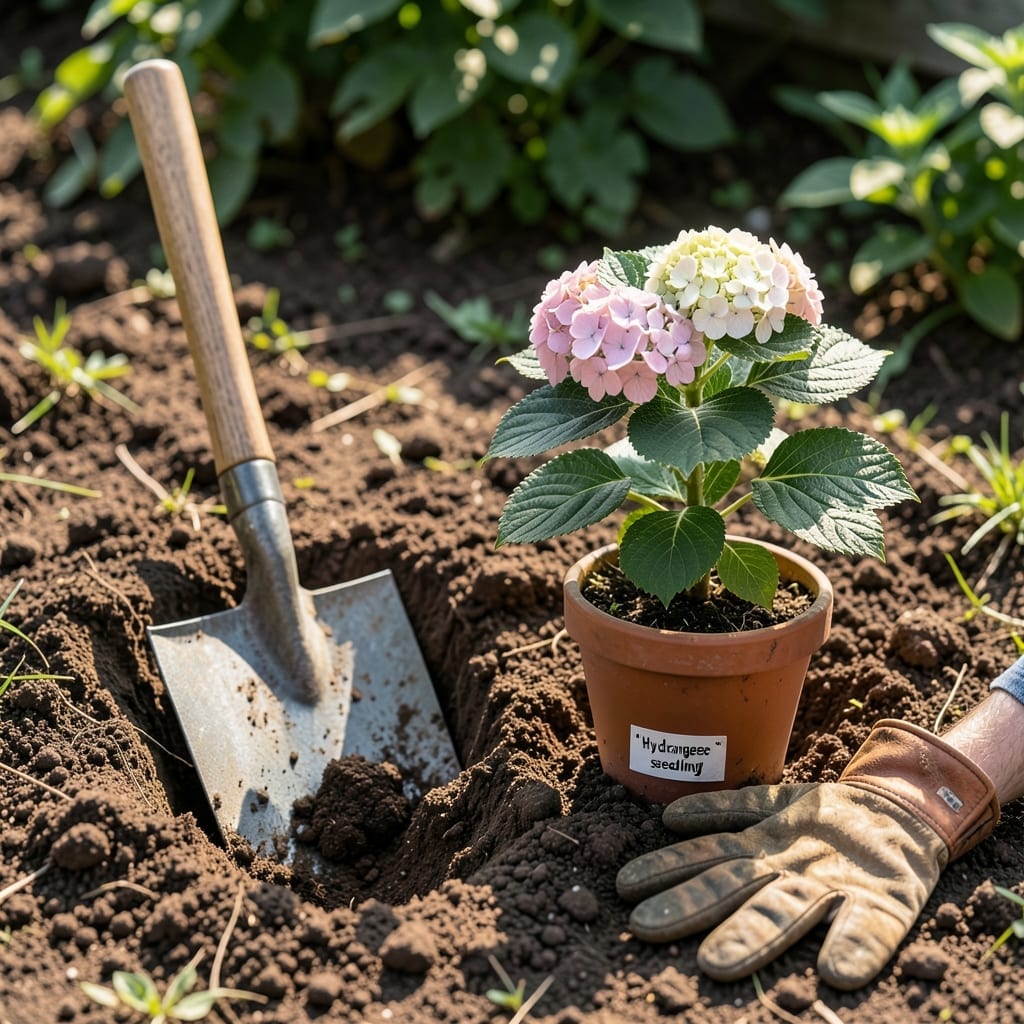
Planting your 🌸 Hydrangea at the wrong depth can make or break its growth. I’ve seen too many gardeners struggle with wilted blooms and stunted shrubs simply because they buried the roots too deep.
Getting this right means stronger roots and vibrant flowers that thrive for years. The good news? It’s easier than you think once you know the basics.
Let me walk you through the proper planting depth and why it matters so much for your Hydrangea’s health and beauty.
Getting the planting depth right is crucial for healthy hydrangeas. The root ball should sit slightly above ground level in most soils. This prevents water pooling around the stem.
In clay soil, plant 1-2 inches higher to improve drainage. For sandy soil, keep it level to retain moisture. Loamy soil is most forgiving.
| Soil Type | Planting Depth | Key Consideration |
|---|---|---|
| Clay | 1-2″ above grade | Prevents waterlogging |
| Loam | Level with ground | Ideal drainage |
| Sandy | Level or 1″ below | Retains moisture |
The root flare (where roots meet stem) should always be visible. Burying it too deep can suffocate the plant and lead to disease.
For container-grown hydrangeas, match the depth of the pot. If you’re transplanting, ensure the top of the root ball stays exposed.
I always recommend testing soil drainage before planting. Dig a 12-inch hole, fill with water, and see how quickly it drains.
In heavy clay, consider amending with organic matter to improve structure. This helps prevent root rot from poor drainage.
For sandy soil, adding compost helps retain moisture. Remember, hydrangeas love consistently moist but not soggy soil.
If you’re planting in sloped areas, position the hydrangea so the upslope side is slightly higher to prevent erosion.
The best time to plant is early spring or fall. This gives roots time to establish before extreme temperatures hit.
Always water deeply after planting to settle the soil and eliminate air pockets around the roots. 🌸
Planting hydrangeas at the right depth starts with hole preparation. Dig a hole 2-3 times wider than the root ball but only as deep as the container.
This extra width gives roots room to spread. The depth should match the root ball height exactly when placed in the hole.
After placing the hydrangea in the hole, check that the top of the root ball sits 1/2 inch above ground level. This prevents settling issues.
I always tamp the soil lightly around the base to remove air pockets. This ensures good root-to-soil contact for faster establishment.
For best results, water immediately after planting. Use 10-15 gallons for larger shrubs to thoroughly soak the root zone.