
Beautiful Plants For Your Interior
Beautiful Plants For Your Interior
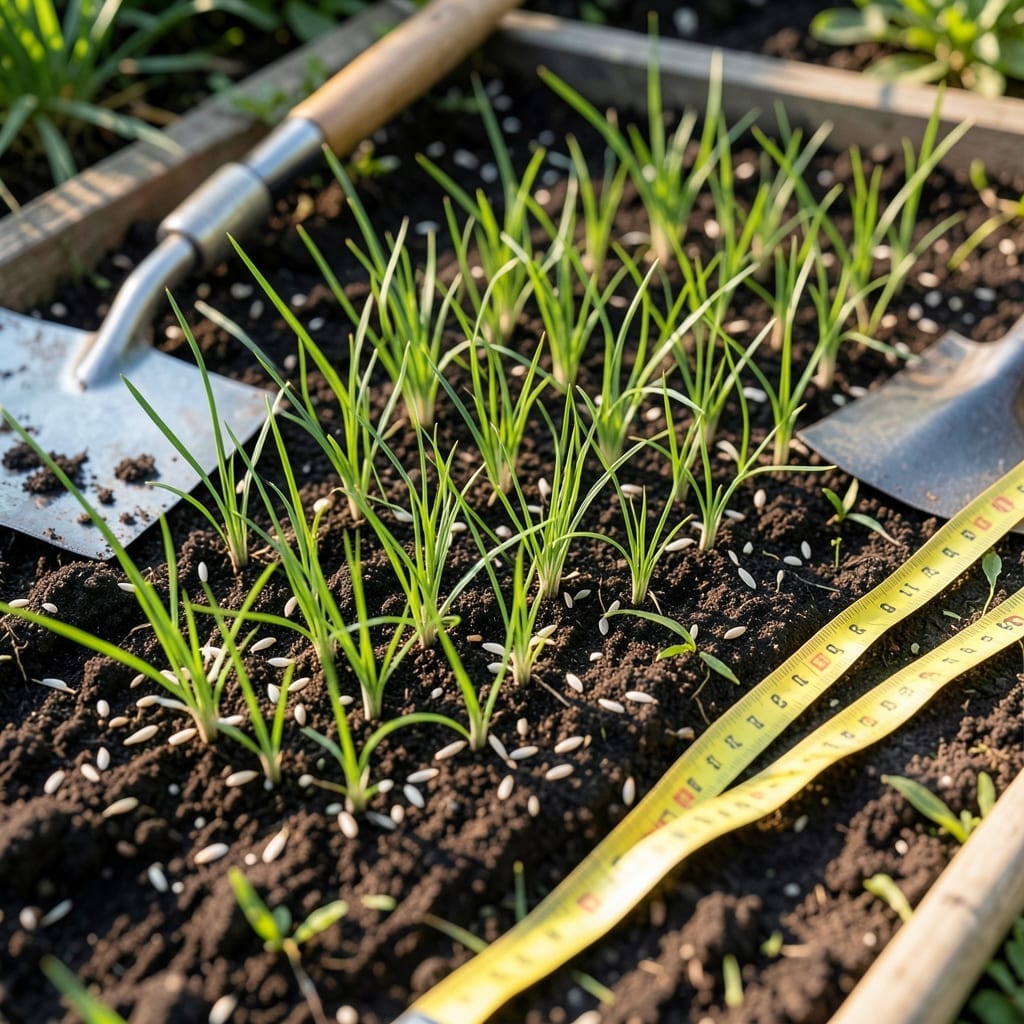
Planting Grass seed at the right depth can make or break your lawn. Too shallow and it dries out; too deep and it may never sprout. Getting this right is the key to fast germination.
I’ve seen many gardeners struggle with patchy lawns, not realizing their mistake was in planting depth. The good news? It’s an easy fix once you know the secret.
Let me show you exactly how to plant your 🌱 Grass seed for the best results. The difference in your lawn will speak for itself.
Getting the planting depth right is crucial for healthy grass. Most varieties thrive at 1/4 to 1/2 inch deep. This ensures seeds stay moist but still get enough light.
Different grass types have slightly varied needs. Kentucky Bluegrass prefers 1/4 inch depth, while Bermuda grass can handle up to 1/2 inch in warmer climates.
| Grass Type | Optimal Depth | Soil Type |
|---|---|---|
| Kentucky Bluegrass | 1/4 inch | Well-draining |
| Bermuda Grass | 1/4 to 1/2 inch | Sandy loam |
| Fescue | 1/4 inch | Clay or loam |
| Ryegrass | 1/4 inch | Moist, fertile |
The soil type affects depth too. Sandy soil dries quickly, so seeds need to be slightly deeper for moisture retention.
For clay soil, stick to 1/4 inch to prevent compaction around seeds. I always test my soil first to adjust planting depth accordingly.
Sunlight exposure plays a role. In full sun, seeds can be at the shallower end of the range. Shady areas may need slightly deeper planting for stability.
I recommend using a seed spreader for even distribution. Then, lightly rake the soil to cover seeds to the ideal depth without burying them too deep.
Moisture retention is key. After planting, water lightly but frequently to keep the top 1 inch of soil consistently damp during germination.
Remember, seed-to-soil contact is critical. Press seeds gently into the soil after planting to ensure they don’t wash away during watering.
With these tips, you’ll see faster germination and a thicker lawn in no time. Happy planting! 🌱
Even experienced gardeners make mistakes with grass seed depth. The most common issue is planting too deep, which prevents seeds from receiving enough light to germinate properly.
Another frequent mistake is planting too shallow. Seeds exposed on the surface can dry out quickly or be washed away by rain or watering before they have a chance to take root.
Too Deep: Seeds buried over 1/2 inch may not sprout due to lack of light.
Too Shallow: Seeds on the surface risk drying out or being eaten by birds.
Uneven Coverage: Patchy lawns result from inconsistent seeding depth.
I’ve seen many lawns suffer from poor soil contact. Seeds need to be pressed into the soil lightly to ensure they stay in place and absorb moisture effectively.
Overwatering is another pitfall. While seeds need consistent moisture, too much water can displace them or cause rot. Aim for light, frequent watering to keep the soil damp but not soggy.
Using the wrong tools can also lead to problems. A seed spreader helps distribute seeds evenly, while a light rake ensures they’re covered to the right depth without being buried too deep.
Finally, ignore the urge to over-fertilize newly planted seeds. Wait until the grass is established before applying fertilizer to avoid burning the tender new growth.
With these tips, you’ll avoid the most common mistakes and enjoy a lush, healthy lawn in no time. 🌱