
Beautiful Plants For Your Interior
Beautiful Plants For Your Interior
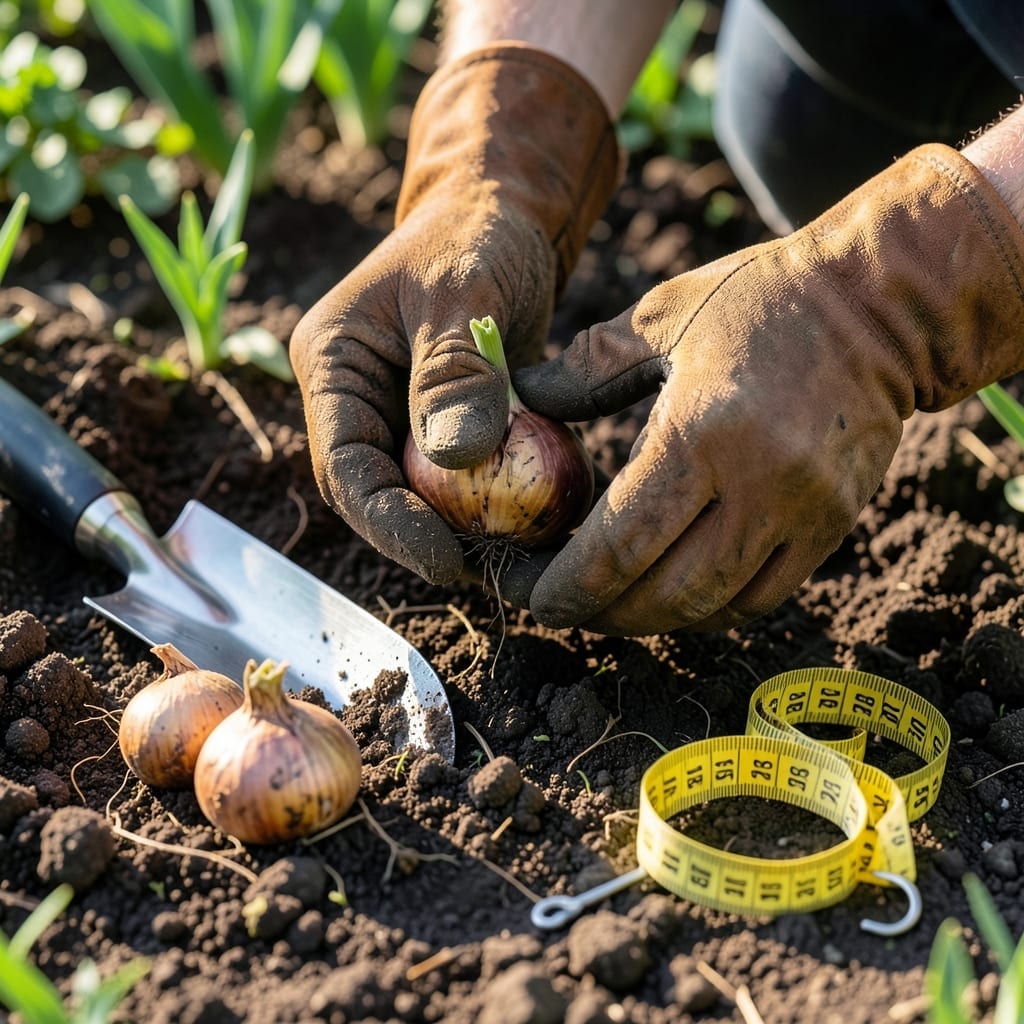
Planting 🌷 Bulbs at the correct depth is the secret to vibrant, long-lasting blooms that return year after year. Get it wrong, and you risk weak growth, no flowers, or even rot before they ever break the surface.
Whether you’re planting tulips, daffodils, or alliums, depth matters more than you think. It affects root development, frost protection, and energy storage for next season’s growth.
Discover the simple rule that takes the guesswork out of planting and ensures your garden bursts with color come spring. Let me show you how to get it right every time.

Getting the planting depth right ensures your spring bulbs thrive. The golden rule is simple: plant at a depth 3x the bulb’s height. This gives roots room to anchor while protecting from frost.
For example, a 2-inch tulip bulb needs a 6-inch deep hole. But exceptions exist for small bulbs like crocus or large alliums, which may need adjustments.
| Bulb Type | Planting Depth | Notes |
|---|---|---|
| Tulips | 6–8 inches | Standard 3x rule |
| Daffodils | 6–8 inches | Deeper in cold climates |
| Crocus | 3–4 inches | Shallow roots |
| Alliums | 8–10 inches | Large bulbs need extra depth |
The 3x rule works for most spring-flowering bulbs because it balances moisture access and frost protection. Too shallow, and bulbs dry out or heave in freeze-thaw cycles.
In sandy soil, I plant 1 inch deeper to prevent drying out. For clay soil, a slightly shallower depth helps avoid waterlogging, which can cause bulb rot.
Remember, pointy side up! The top of the bulb should face the sky. If you’re unsure, plant it sideways—it’ll still find its way, though it may take longer.
For container planting, follow the same depth rule but ensure pots have drainage holes. Bulbs hate soggy feet, and containers can trap water without proper drainage.
Fertilizer tip: Mix in bone meal or bulb fertilizer at planting time. This gives them a nutrient boost for strong root growth before winter.
If you’re planting in warmer climates (USDA Zones 8-10), bulbs may need pre-chilling for 6–10 weeks to trigger spring blooming. Check your local hardiness zone for specifics.
Finally, mark your planting spots with biodegradable flags or perennial markers. This prevents accidental digging and helps you track varieties for next year’s planning.
🌷Measuring bulb depth correctly starts with the bulb itself. Use a ruler or caliper to check its height from base to tip. This is your guide for the 3x rule.
I always dig the planting hole first, then place the bulb to verify depth. For tulips and daffodils, a 6–8 inch depth is typical, but smaller bulbs like crocus only need 3–4 inches. 🌱
In clay soil, I loosen the sides of the hole to help roots spread. For sandy soil, adding a bit of compost improves moisture retention. Always water after planting to settle the soil.
For container planting, use a pot at least 8–12 inches deep. Ensure it has drainage holes to prevent waterlogging. I like to layer bulbs in pots for a staggered bloom effect.
If you’re unsure about bulb orientation, plant it sideways. The bulb will still grow, though it may take a little longer. This trick saves me every time I forget which end is up!
Pro tip: Use a bulb planter tool for consistent depth and less back strain. It’s a game-changer for planting dozens of bulbs efficiently. 🌷