
Beautiful Plants For Your Interior
Beautiful Plants For Your Interior
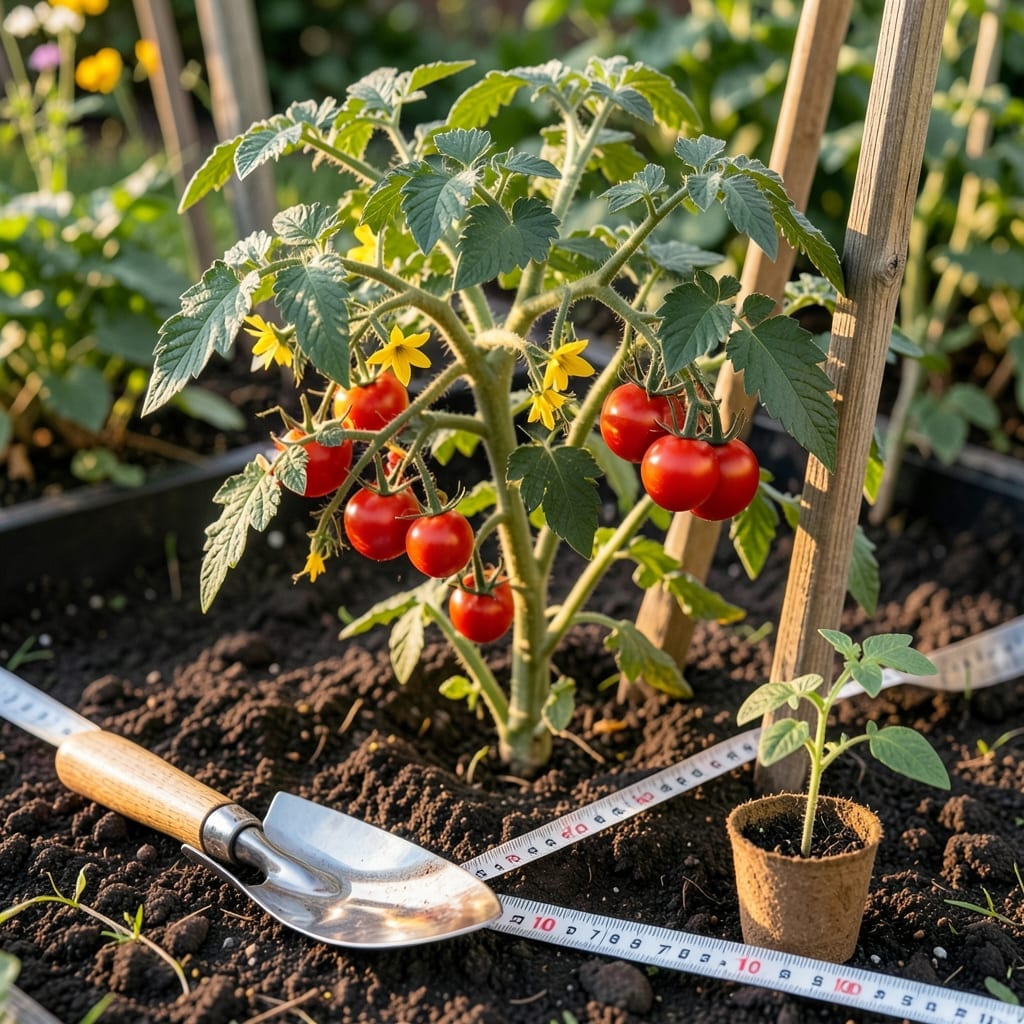
Planting your 🍅 Tomato at the right depth can transform your harvest from disappointing to bountiful. Unlike most garden plants, tomatoes have a unique ability to grow roots along their stems.
This means proper depth isn’t just helpful – it’s the key to strong, healthy plants. I’ve seen the difference firsthand, and trust me, your future self will thank you.
Discover how a few extra inches in the soil can lead to more robust plants and a bigger harvest this season.

If you’ve ever wondered why some tomato plants thrive while others struggle, the answer often lies in how deep they’re planted. Tomatoes are unique because they develop adventitious roots along their stems, which means proper depth directly impacts their ability to absorb water and nutrients.
I’ve learned through experience that planting too shallow can result in weak stems that topple over, while planting too deep can lead to rot or stunted growth. The sweet spot encourages a strong root system that supports vigorous growth. 🌱
🌱 Pro Gardening Tip: Tomatoes can grow roots from their stems when buried. This means planting deeper than the original pot level gives them a head start on establishing a robust root system.
When you plant tomatoes deeply, the buried stem develops additional roots, which increases the plant’s stability and ability to access moisture. This is especially helpful during dry spells or in sandy soil where water drains quickly.
Shallow planting, on the other hand, leaves the plant vulnerable to wind damage and nutrient deficiencies. I’ve seen plants snap at the base during a strong storm simply because their roots weren’t anchored deeply enough.
Another benefit of proper depth is disease prevention. When planted too shallow, the lower leaves can touch the soil, increasing the risk of fungal infections like early blight. Burying part of the stem helps keep foliage off the ground and healthier.
For best results, I recommend burying two-thirds of the stem when transplanting seedlings. This might seem extreme, but it works wonders for indeterminate varieties that need extra support as they grow taller. Even determinate tomatoes benefit from being planted slightly deeper than their original container.
The science behind this is fascinating: the buried stem nodes will sprout new roots within days, effectively giving your plant a larger root system without any extra effort. This translates to faster growth and higher yields come harvest time. 🌿
soil type plays a role too. In heavy clay soil, you might plant slightly shallower to avoid waterlogging, while in loamy or sandy soil, going deeper helps the roots access moisture. Always check your soil drainage before planting.
Finally, remember that soil temperature matters. Tomatoes prefer warm soil (at least 60°F), so planting too early in cold soil can stunt growth regardless of depth. A soil thermometer is a handy tool to ensure conditions are just right.
Getting the depth right varies by tomato type. For most indeterminate varieties, I bury the stem so only the top 2-3 leaf sets remain above soil. This encourages maximum root growth along the buried stem.
Determinate tomatoes prefer slightly shallower planting, with about half the stem buried. They grow more compactly, so over-planting can stress the plant. Container tomatoes need similar treatment but watch for drainage issues in pots. 🌱
For grafted tomatoes, the graft union must stay 1-2 inches above soil to prevent scion rooting. I mark this point with a popsicle stick during planting to avoid mistakes.
In clay soil, plant 1 inch shallower than recommended to prevent waterlogging. In sandy soil, go 1 inch deeper to help roots access moisture. Always water thoroughly after planting to settle soil around roots.
I use a ruler or measuring tape for precision, especially with seedlings. For tall, leggy transplants, I plant them horizontally in a trench, bending the stem gently upward. The buried portion will root, creating an extensive system.
Remember that soil temperature should be at least 60°F before planting. In cooler climates, I use black plastic mulch to warm the soil faster. This simple step can make a big difference in early growth. 🌿