
Beautiful Plants For Your Interior
Beautiful Plants For Your Interior
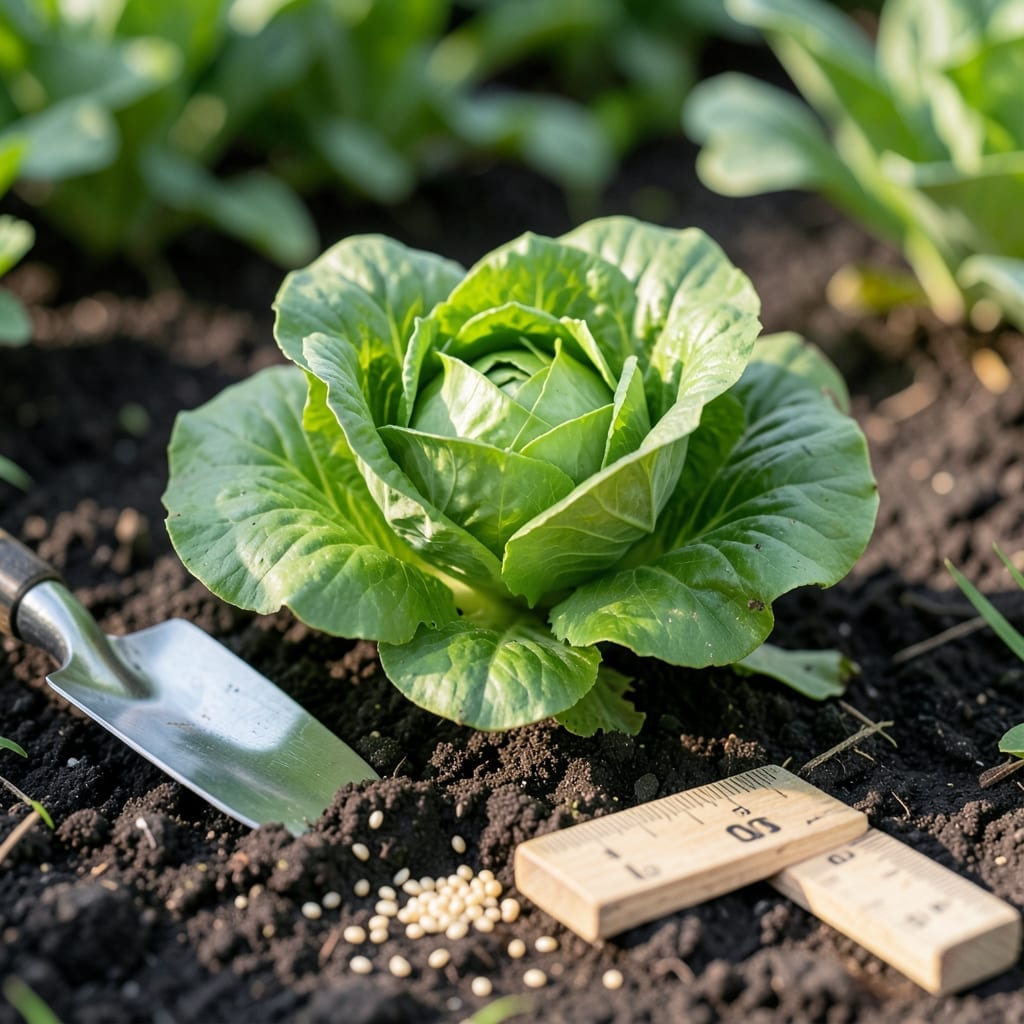
Planting Lettuce 🥬 seeds at the right depth can make or break your harvest. Get it wrong, and you might end up with sparse sprouts or weak plants struggling to break through.
I’ve seen gardeners bury seeds too deep, only to watch them fail to emerge. The good news? There’s a simple, foolproof way to ensure strong, healthy seedlings every time.
With just a little know-how, you can set your Lettuce up for success from the very start. No guesswork, no wasted effort—just thriving plants ready for a bountiful harvest.
Discover the ideal depth and techniques that will have your garden flourishing in no time.


I’ve found that lettuce seeds need just the right depth to sprout quickly. Plant them too deep, and they may struggle to break through the soil. Too shallow, and they risk drying out or blowing away.
The sweet spot for most lettuce varieties is 1/4 to 1/2 inch deep. This shallow depth allows sunlight to penetrate, warming the soil and speeding up germination. I always aim for 1/4 inch in loose, well-draining soil.
| Variety | Optimal Depth | Soil Type |
|---|---|---|
| Butterhead | 1/4 inch | Loose, rich |
| Romaine | 1/4 inch | Well-draining |
| Leaf Lettuce | 1/4 to 1/2 inch | Moist, fertile |
| Crisphead | 1/2 inch | Cool, moist |
In my experience, soil type plays a big role in planting depth. For heavy clay soil, I stick to 1/4 inch to prevent compaction from slowing germination. In sandy soil, I go slightly deeper—1/2 inch—to ensure adequate moisture contact.
Light exposure is another key factor. Lettuce seeds need light to germinate, so planting too deep can delay or even prevent sprouting. I always check that the seeds are barely covered with soil.
If you’re planting in hot climates, err on the side of 1/2 inch depth. This extra bit of soil helps protect the seeds from drying out too quickly. In cooler regions, 1/4 inch is usually sufficient.
I’ve noticed that small-seeded varieties, like some heirloom lettuces, do best at 1/4 inch. Larger seeds, such as those of crisphead lettuce, can handle a slightly deeper planting at 1/2 inch. Always check the seed packet for specific guidance.
For container gardening, I recommend sticking to 1/4 inch depth. Containers tend to dry out faster, and shallow planting helps the seeds stay moist while still getting the light they need.
Remember, consistency is key. Whether you’re planting in rows or broadcasting, keep the depth uniform. This ensures even germination and strong, healthy seedlings.
Finally, after planting, I gently press the soil to ensure good seed-to-soil contact. This step helps the seeds absorb moisture and start the germination process more efficiently. 🌱
I’ve seen many gardeners struggle with poor germination rates simply because they planted their lettuce seeds too deep. The most common issue is burying seeds more than 1/2 inch down, which prevents them from breaking through the soil surface.
When seeds are planted too deep, they exhaust their stored energy before reaching light, leading to weak or non-existent sprouts. Shallow planting ensures quick access to warmth and moisture.
⚠️ Warning: Deep Planting Risks
Seeds buried over 1/2 inch may fail to germinate. Always check depth after watering, as soil can settle.
Another mistake is using heavy or compacted soil, which makes it harder for tiny lettuce seedlings to push through. I always recommend loosening the top inch of soil before planting for the best results.
If you’ve already planted too deep, don’t panic. Gently scrape back soil to expose seeds to 1/4 inch depth. They’ll often recover if caught early enough in the process.
Watch for signs of trouble like no sprouts after 7-10 days or pale, leggy seedlings struggling to emerge. These are clear indicators your planting depth might be off.
In my experience, the ideal depth for most lettuce varieties is between 1/4 and 1/2 inch. Stick to this range, and you’ll see strong, healthy sprouts in no time 🌱