
Beautiful Plants For Your Interior
Beautiful Plants For Your Interior
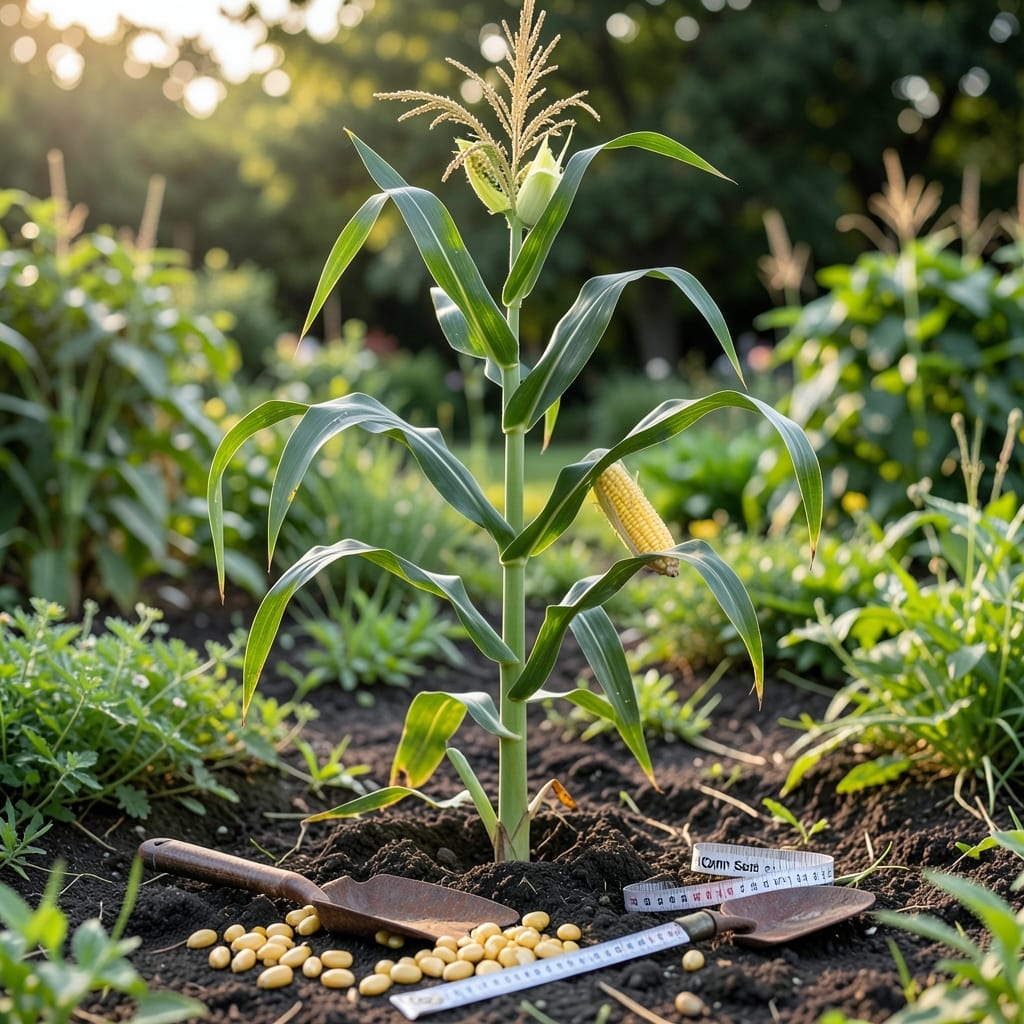
Planting corn seeds at the right depth can make or break your harvest. Too deep, and they may never sprout. Too shallow, and they risk drying out or being eaten by birds.
I’ve seen many gardeners struggle with weak seedlings simply because they got this step wrong. The good news? It’s an easy fix once you know the basics.
With 🌽 Corn, the ideal depth is often just 1-2 inches, but soil type and temperature play a role too. Let’s dig into what works best for strong, healthy sprouts.
Discover the simple adjustments that ensure your corn gets the perfect start this growing season.
Getting the planting depth right is crucial for strong corn germination. Most gardeners succeed with a 1 to 2-inch depth, but adjustments may be needed based on your conditions.
For example, in sandy soil, which drains quickly, I plant seeds slightly deeper at 2 inches to retain moisture. In heavy clay, I stick to 1 inch to prevent waterlogging.
| Soil Type | Recommended Depth | Climate Adjustment |
|---|---|---|
| Loamy Soil | 1.5 inches | Standard for most climates |
| Sandy Soil | 2 inches | Drier climates only |
| Heavy Clay | 1 inch | Wet climates, poor drainage |
| Rocky Soil | 1 inch | Shallow to avoid rocks |
In cool climates, I wait until soil reaches 60°F before planting. If the soil is cold, I plant seeds at 1 inch to speed up warming. In warm climates, I can go up to 2 inches without risk.
The moisture level also affects depth. If the topsoil dries out quickly, I plant deeper to reach moisture reserves. Conversely, in wet springs, I keep seeds shallow to avoid rot.
For sweet corn varieties, I’ve found that 1.5 inches works best in most conditions. This depth balances moisture access and warmth for reliable sprouting.
If you’re planting in raised beds, remember that they dry out faster. I plant seeds at 1.5 to 2 inches here to ensure consistent moisture.
Always check your soil temperature with a thermometer. If it’s below 55°F, wait to plant or use black plastic mulch to warm the soil faster.
Finally, I mark my rows clearly and space seeds about 4 inches apart within the row. Proper depth and spacing give each seedling the best start for strong growth 🌱
After planting, I gently firm the soil to ensure good seed-to-soil contact. This step improves germination rates significantly.
Planting corn seeds at the wrong depth is a common issue I see in gardens. Too deep, and the young seedlings struggle to push through the soil, often failing to emerge at all.
On the other hand, shallow planting leaves seeds exposed to drying out or being snacked on by birds. Both mistakes can set your crop back weeks.
⚠️ Warning: Depth Matters
Planting too deep (over 2.5″) causes poor emergence. Too shallow (under 0.5″) risks drying out or pest damage.
I’ve learned that 1-2 inches deep is the sweet spot for most soil types. This depth protects the seed while allowing it to access moisture and warmth for germination.
If your soil is heavy clay, lean toward 1 inch to prevent compaction issues. For sandy soil, you can go up to 2 inches for better moisture retention.
Watch for uneven emergence or weak sprouts—these are red flags that your planting depth may need adjustment next season.
Remember, soil temperature matters too. Even at the right depth, corn seeds won’t germinate well if the soil is below 60°F. ☀️