
Beautiful Plants For Your Interior
Beautiful Plants For Your Interior
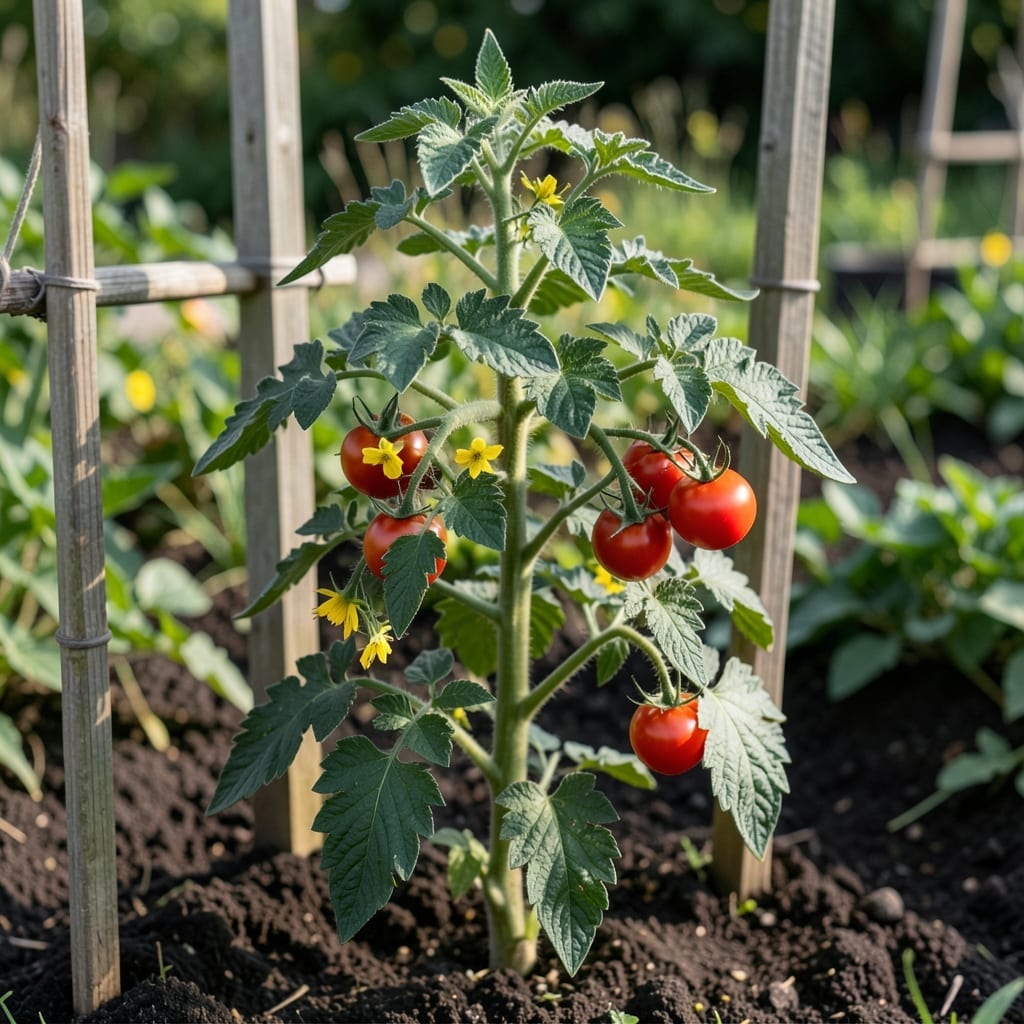
Tomato plants may tower above ground, but their hidden root systems are the unsung heroes of a bountiful harvest. I’ve seen firsthand how understanding these underground networks transforms a garden.
The 🍅 Tomato doesn’t just grow up—it grows deep, with roots that can stretch far beyond what you see on the surface. This hidden growth directly impacts how you plant, water, and care for your crop.
Let me show you why root depth matters and how to give your plants the foundation they need to thrive. The difference is night and day.


I’ve learned that tomato root depth varies far more than most gardeners realize. While the average plant develops roots 12-24 inches deep, ideal conditions can push them to 5 feet or more.
This underground spread depends heavily on your tomato variety, growing method, and soil quality. Indeterminate tomatoes typically root deeper than determinate types, while container growth naturally restricts depth.
| Variety | Root Depth | Notes |
|---|---|---|
| Determinate | 12-18 inches | Bushy growth habit |
| Indeterminate | 18-24 inches | Vining, continuous growth |
| Container | 6-12 inches | Limited by pot size |
| In-Ground Ideal | Up to 5 feet | Loose, fertile soil |
In my experience, soil type plays a huge role. Sandy soils allow roots to penetrate deeper, while clay can stunt growth unless amended. I always recommend loosening the soil to 18 inches deep before planting.
Container gardeners should choose deep pots (at least 12 inches) and use a well-draining mix. Remember that roots will only grow as deep as their environment allows.
The watering method also affects root development. I’ve seen shallow, frequent watering create weak, surface-level roots. Instead, deep watering encourages roots to grow downward in search of moisture.
For best results, I plant my tomatoes with 2/3 of the stem buried. This simple trick helps develop additional roots along the stem, creating a stronger, deeper root system.
Mulching is another game-changer. A 2-3 inch layer of organic mulch keeps soil moist and cool, encouraging roots to explore deeper rather than staying near the surface.
Don’t forget that companion plants can affect root growth too. Avoid planting tomatoes near shallow-rooted crops like lettuce that compete for the same space. Deep-rooted companions like carrots are better choices.
In my garden, the tomatoes with the deepest roots always seem to handle drought stress better. They’re able to access water and nutrients that shallow-rooted plants can’t reach, which translates to more consistent fruit production even in hot weather.
🌱
I’ve seen how root depth directly impacts a tomato plant‘s health and productivity. Deeper roots mean better access to water and nutrients, which translates to stronger growth and more fruit.
Understanding this helps you make smarter decisions about watering schedules, plant spacing, and even companion planting. It’s all connected underground.
With deeper roots, your tomatoes can self-regulate better during dry periods. I notice my in-ground plants with 24-inch roots need watering less often than shallow container ones.
Nutrient absorption improves dramatically too. Deep roots tap into nutrient layers that shallow roots miss, leading to healthier foliage and bigger harvests.
For companion planting, I avoid pairing tomatoes with shallow-rooted herbs like basil. Instead, I plant them with deep-rooted carrots to prevent competition.
I’ve found that proper spacing is crucial. Crowded plants compete for root space, stunting growth. I give my indeterminate varieties at least 3 feet between plants.
🌱