
Beautiful Plants For Your Interior
Beautiful Plants For Your Interior
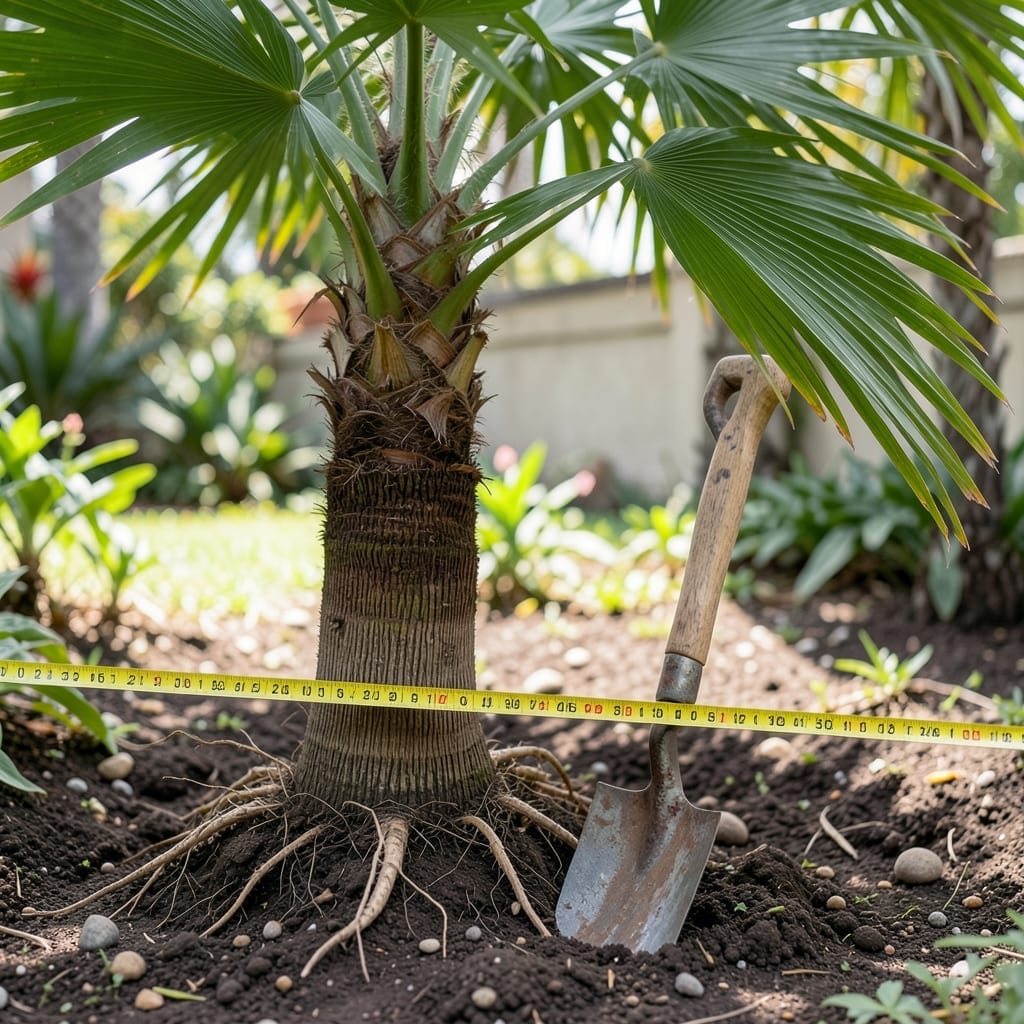
Palm trees may tower over landscapes with their striking fronds, but their root systems tell a different story. The 🌴 Palm Tree hides its most fascinating secrets underground, where shallow, fibrous networks defy expectations.
Understanding these roots is the key to proper planting and care. Unlike other trees, palms spread wide rather than deep, which impacts everything from watering to stability.
Let me show you what this means for your landscape and how to work with these unique root systems. You might be surprised by what you discover.
Most gardeners are surprised to learn that palm tree roots don’t plunge deep underground. Instead, they form a shallow, fibrous network that spreads wide rather than down. This unique adaptation helps them thrive in sandy, nutrient-poor soils common to their native habitats.
While the exact depth varies by species, most palm roots stay within the top 1-3 feet of soil, even for towering varieties. This shallow system is highly efficient at absorbing water and nutrients from the surface, but it also means palms are sensitive to drought and soil compaction.
| Species | Root Depth | Notes |
|---|---|---|
| Coconut Palm | 1-2 feet | Wide spread, loves sandy soil |
| Date Palm | 2-3 feet | Deeper than most, drought-tolerant |
| Queen Palm | 1-2 feet | Fibrous, needs frequent watering |
| Sago Palm | 1 foot | Shallow, sensitive to cold |
| Areca Palm | 1-1.5 feet | Clumping, great for containers |
The Coconut Palm exemplifies this shallow-rooted nature, with most roots concentrated in the top 1-2 feet. This makes them particularly vulnerable to high winds if not properly anchored. Gardeners should plant them in groups or use stakes for young palms.
In contrast, the Date Palm can send roots slightly deeper, up to 3 feet, which contributes to its drought tolerance. However, even this depth is shallow compared to other trees of similar height, like oaks or pines.
For Queen Palms and Areca Palms, the root depth is typically 1-2 feet. These species benefit from regular watering and mulching to retain moisture, as their shallow roots dry out quickly in hot climates.
The Sago Palm, though not a true palm, follows a similar pattern with roots rarely exceeding 1 foot deep. This makes it ideal for container gardening but also more susceptible to cold damage.
Soil type plays a big role in root development. In sandy soils, palm roots may spread wider to access nutrients, while in clay soils, they can struggle to penetrate deeply. Adding organic matter can improve root health in heavier soils.
Remember, these shallow root systems mean palms are sensitive to competition. Avoid planting grass or other shallow-rooted plants too close, as they’ll compete for the same water and nutrients. A 3-5 foot radius of clear space is ideal for most species.
Understanding these root depths helps you plant responsibly, ensuring your palms thrive without damaging nearby structures or pavement 🌴
I often get asked why palm tree roots don’t grow deep like other trees. The answer lies in their natural adaptation to tropical environments. Palms evolved in sandy soils where nutrients are scarce near the surface.
Their shallow, fibrous roots spread horizontally to maximize water and nutrient absorption. This design allows them to quickly capture moisture from rain or irrigation before it drains away in porous soil.
🌱 Key Insight:
Palm roots stay shallow (1-3 feet) to absorb surface nutrients and anchor in sandy soils. This makes them highly efficient in their native habitats but sensitive to drought in landscapes.
This shallow system also provides excellent stability in loose, sandy soils. The wide-spreading roots create a strong anchor network that prevents toppling in windy conditions common to coastal areas.
For gardeners, this means frequent, shallow watering is more effective than deep soaking. I recommend mulching heavily around the base to retain moisture and protect those surface roots from drying out.
The shallow nature also affects planting location. Avoid placing palms too close to sidewalks or foundations, as their roots can lift pavement over time. A 5-foot buffer is usually sufficient for most species.
Remember that these roots are sensitive to disturbance. Be careful when digging near established palms, as damaging the root system can stunt growth or even kill the tree 🌴