
Beautiful Plants For Your Interior
Beautiful Plants For Your Interior
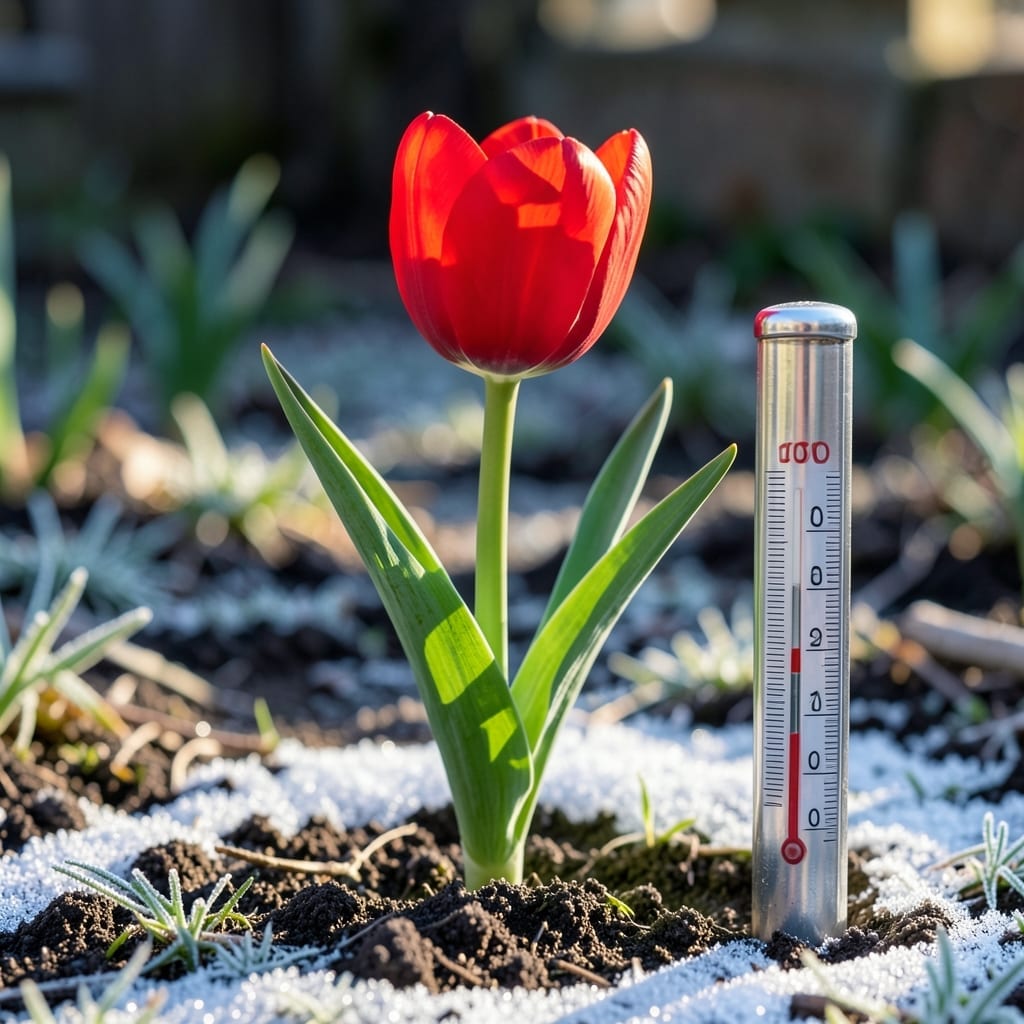
Tulips bring vibrant color to spring gardens, but their ability to survive winter cold often puzzles gardeners. I’ve seen too many 🌷 lovers lose bulbs to harsh frosts simply because they didn’t know the limits.
Understanding how these perennials handle the chill is the key to ensuring they return year after year. Whether you’re in zone 3 or 8, knowing their threshold makes all the difference.
Discover the exact temperatures tulips can tolerate and the simple steps to protect them. Let’s make sure your garden thrives, no matter the weather.
I’ve found that tulip bulbs are surprisingly hardy, often surviving winter temperatures as low as -20°F (-29°C). This resilience comes from their natural dormancy period, which protects them from freezing conditions.
Most tulip varieties thrive in USDA Zones 3-8, where they can handle extended cold spells without damage. The key is ensuring the soil stays consistently cold but not waterlogged.
| Requirement | Specification |
|---|---|
| USDA Zones | 3-8 |
| Min Temperature | -20°F (-29°C) |
| Soil Condition | Well-draining, cold |
| Planting Depth | 6-8 inches deep |
| Best Planting Time | 6-8 weeks before frost |
The bulb’s natural sugars act like antifreeze, preventing ice crystals from forming inside. This is why healthy bulbs planted in fall can endure even the harshest winters.
In Zone 3, tulips handle -40°F (-40°C) with proper mulching. In Zone 8, they may need chilling hours to trigger spring blooming, which is why some gardeners pre-chill bulbs.
I always remind gardeners that soil temperature matters more than air temperature. Bulbs need 12-14 weeks of 35-45°F (2-7°C) soil temps to break dormancy and bloom beautifully.
Avoid planting in low-lying areas where cold air pools and can create frost pockets. Instead, choose raised beds or slopes for better drainage and airflow.
If you’re in a borderline zone, like Zone 9, you may need to treat tulips as annuals. They often struggle without sufficient cold, leading to blind stems (no flowers).
For the best results, I recommend testing soil temperatures with a thermometer. If the ground stays below 40°F (4°C) for weeks, your tulips are likely in their happy place.
Finally, remember that consistent cold is better than fluctuating temperatures. A steady freeze is less damaging than repeated thawing and refreezing, which can rot bulbs.
With these tips, your tulips will not only survive but thrive through winter, ready to burst into color come spring 🌷
I’ve learned that even the hardiest tulip bulbs need a little help in extreme cold. While they can survive -20°F (-29°C), proper care ensures they thrive year after year.
A thick mulch layer of 2-4 inches of straw or shredded leaves works wonders. This insulates the soil and prevents temperature swings that can harm bulbs.
I always recommend planting tulips in well-draining soil to prevent rot. Bulbs sitting in wet, frozen ground are far more likely to perish than those in dry, cold earth.
In Zone 8 or warmer, tulips may not get enough chill. If this is your area, try pre-chilling bulbs in the fridge for 12-14 weeks before planting.
Another tip: Avoid early planting. If bulbs sprout before winter, a hard frost can kill the new growth. Wait until soil temps drop below 60°F (15°C).
With these simple steps, your tulips will power through winter and reward you with stunning blooms next spring 🌷