
Beautiful Plants For Your Interior
Beautiful Plants For Your Interior
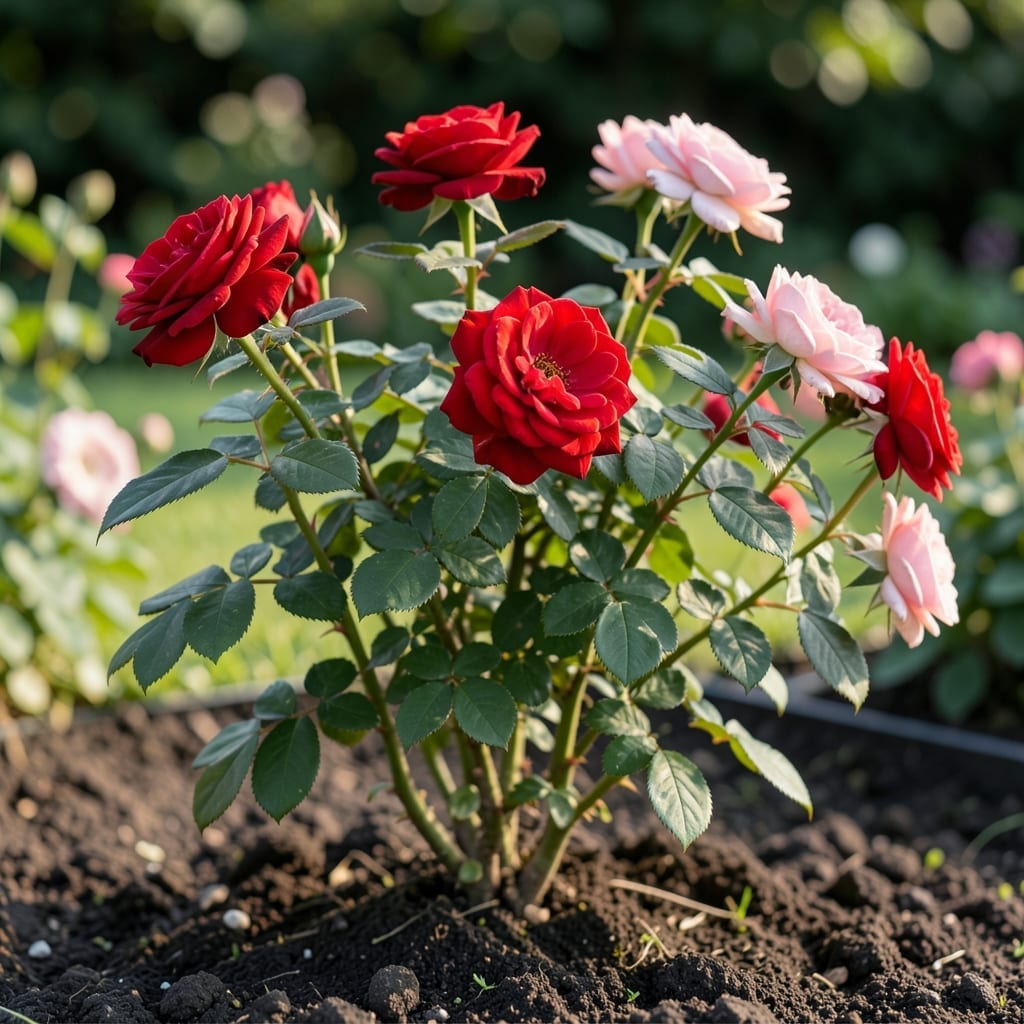
Roses are surprisingly resilient, but knowing their cold tolerance limits can mean the difference between thriving 🌹 blooms and winter damage.
I’ve seen too many gardeners lose their prized roses to unexpected frosts. The truth is, most varieties can handle temperatures down to 10°F, but it depends on the type and preparation.
Discover how to gauge your roses’ cold hardiness and the simple steps to protect them when the mercury drops. Your garden will thank you.
Not all roses handle cold the same way. I’ve found that old garden roses are the toughest, often surviving down to -20°F without protection. Modern hybrids, on the other hand, usually tap out at 10°F or so.
Your USDA hardiness zone plays a big role here. Roses in Zone 4 need varieties bred for extreme cold, while those in Zone 7 can get by with less hardy types. Always check the label before planting.
| Variety | Minimum Temperature | USDA Zone |
|---|---|---|
| Old Garden Roses | -20°F | 4-9 |
| Shrub Roses | -10°F | 5-10 |
| Hybrid Teas | 10°F | 6-11 |
| Climbing Roses | 0°F | 5-11 |
| Miniature Roses | 20°F | 7-11 |
In my experience, climbing roses surprise many gardeners with their resilience. They often survive 0°F temperatures, especially if their roots are well-mulched. The key is protecting the crown where the roots meet the stems.
Shrub roses, like the popular Knock Out® series, handle -10°F well. I’ve seen them bounce back after harsh winters with minimal care. Their bushy growth habit helps insulate the center from cold winds.
Hybrid teas are the divas of the rose world when it comes to cold. Most can’t handle anything below 10°F without serious protection. I learned this the hard way after losing several prized plants in an unexpected freeze.
For miniature roses, treat them like tender perennials. They typically need 20°F or warmer to survive. Many gardeners, including myself, grow them in containers to bring indoors during winter.
The rootstock matters too. Roses grafted onto Rosa multiflora rootstock tend to be hardier than those on Rosa odorata. This is why some roses survive cold snaps while others don’t, even within the same variety.
Don’t forget about microclimates in your garden. A south-facing wall can create a warmer spot, allowing less hardy roses to survive in colder zones. I’ve used this trick to successfully grow hybrid teas in Zone 5.
When in doubt, mulch heavily around the base. A thick layer of straw or wood chips can make a 10°F difference in soil temperature, protecting roots from freezing. 🌹
Even with the best care, roses can show cold stress. I’ve learned to spot the warning signs early to prevent permanent damage. Blackened canes are the most obvious red flag, often appearing after a hard freeze.
Another telltale sign is cracked or split bark. This happens when temperatures fluctuate wildly, causing the plant’s tissues to expand and contract rapidly. I’ve seen this most often on the southwest side of the plant, where winter sun heats the bark during the day.
If your roses are slow to leaf out in spring, cold damage might be the culprit. I once had a rose that didn’t show new growth until late May after a particularly harsh winter. Patience is key—sometimes they just need extra time to recover.
Mushy stems are a serious sign of frost damage. When I see this, I immediately prune back to healthy wood. It’s better to remove damaged tissue than risk disease spreading to the rest of the plant.
Another subtle sign is wilting despite adequate moisture. This often indicates root damage from frozen soil. I’ve found that a deep watering with a root stimulator can help the plant recover faster.
Don’t overlook dieback at the tips of canes. This is common after cold snaps. I simply trim back to the first healthy bud, and the plant usually recovers beautifully by summer. 🌹