
Beautiful Plants For Your Interior
Beautiful Plants For Your Interior
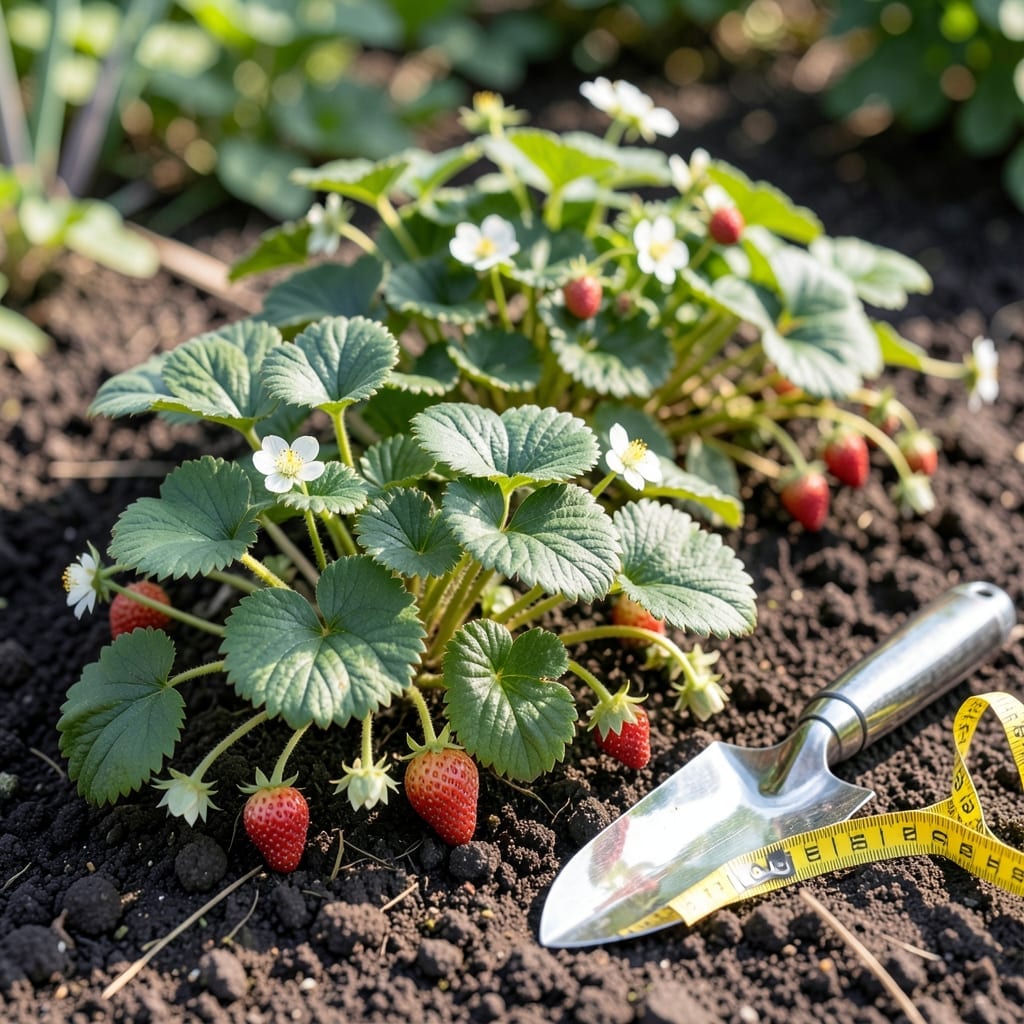
Proper spacing is the key to thriving 🍓 Strawberry plants with abundant, juicy berries. Plant them too close, and you risk disease and stunted growth; too far apart, and you waste valuable garden space.
Whether you’re growing June-bearing or everbearing varieties, getting the distance right makes all the difference. I’ve seen firsthand how the right spacing transforms a struggling patch into a productive one.
Discover the simple guidelines that will help your Strawberries flourish. Let me walk you through what works best for healthy plants and bountiful harvests.
Getting the spacing right is crucial for healthy strawberry plants. Each variety has its own needs, and I’ve learned that June-bearing types need more room than everbearing or day-neutral ones. The right distance ensures good air circulation and root development. 🌱
For matted row systems, spacing differs from hill planting. I’ll break it down so you can choose the best method for your garden setup. Proper spacing prevents overcrowding and maximizes your harvest potential. 🌿
| Variety | Plant Spacing | Row Spacing | System |
| June-bearing | 18-24 inches | 3-4 feet | Matted row |
| Everbearing | 12-18 inches | 2-3 feet | Hill |
| Day-neutral | 12-18 inches | 2-3 feet | Hill |
In my experience, June-bearing strawberries thrive with 18-24 inches between plants. This gives them space to spread runners, which is key for this variety. The rows should be 3-4 feet apart to allow easy access for care and harvesting. ✂️
Everbearing and day-neutral strawberries are more compact. They do well with 12-18 inches between plants. Since they produce multiple harvests, closer spacing helps maximize yield without sacrificing plant health. 🌱
For hill planting, I recommend 12-18 inches apart in all directions. This method is ideal for everbearing and day-neutral types, as it keeps the plants contained and reduces disease risk. The raised mounds improve drainage. 💧
If you’re using a matted row system, allow 24 inches between plants. This gives runners room to root and form new plants. The rows should be 3-4 feet apart to prevent overcrowding as the patch fills in. ☀️
I always remind gardeners that soil preparation matters just as much as spacing. Loosen the soil to 12 inches deep and mix in compost for best results. This ensures roots can spread easily, supporting healthy growth. 🌿
Another tip: Mulch between rows to retain moisture and suppress weeds. Straw or pine needles work well. This keeps your strawberry patch low-maintenance and productive. 🪴
Finally, consider companion planting. Strawberries grow well near bush beans or lettuce, which can help deter pests. Just ensure these companions don’t compete for space or nutrients. 🌻
Even experienced gardeners make spacing errors with strawberries. I’ve seen overcrowded plants struggle with disease and poor yields. The most common mistake is planting too close, which limits airflow and sunlight penetration. 🌱
Another frequent issue is ignoring row spacing. Narrow rows make it hard to access plants for watering and harvesting. I always recommend leaving at least 2-3 feet between rows for easy maintenance. 🌿
Planting strawberries too close leads to fungal diseases and stunted growth. Always follow the recommended 12-24 inch spacing based on variety.
I’ve also noticed gardeners underestimating runner spread. June-bearing strawberries send out long runners that can quickly fill a bed. If you don’t account for this, your patch will become a tangled mess within a season. ✂️
To fix existing spacing issues, thin out crowded plants in early spring. Remove weaker plants to give the strongest ones room to thrive. This is tough but necessary for a healthy harvest. 🌱
Another solution is relocating plants to a new bed with proper spacing. This works well if your current setup is too dense. Just be gentle with the roots during transplanting. 💧
Prevent problems by planning your layout before planting. Sketch your bed and mark plant positions with stakes. This small step saves time and ensures optimal spacing from the start. ☀️