
Beautiful Plants For Your Interior
Beautiful Plants For Your Interior
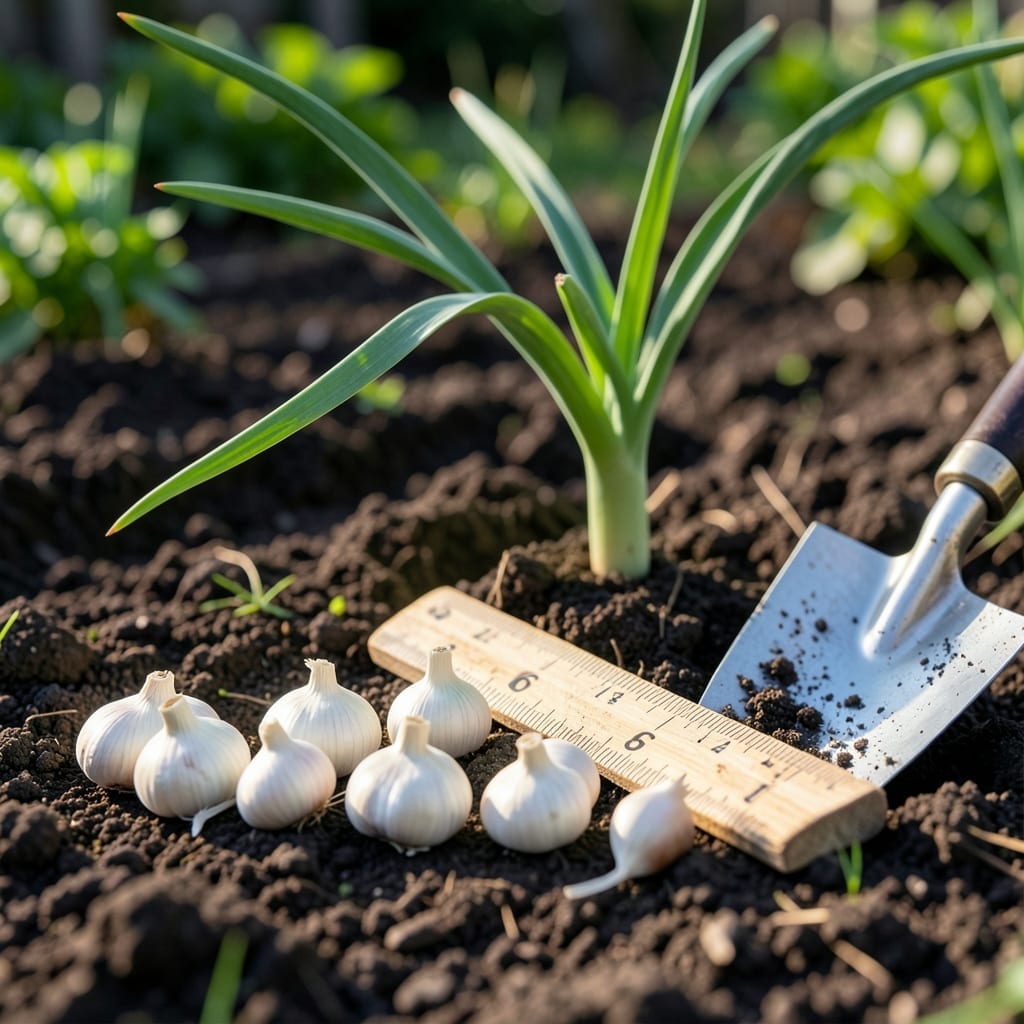
Proper spacing is the key to growing large, healthy 🧄 Garlic bulbs instead of crowded, undersized cloves. Get it right, and you’ll maximize both yield and flavor.
I’ve seen too many gardeners make the mistake of planting too close together, only to end up with stunted growth. It’s a simple fix that makes a world of difference.
Whether you’re working with a small plot or a large garden, understanding the ideal distance between cloves ensures each plant has room to thrive. Let me show you how to get it perfect.
With just a little planning, you’ll be harvesting bigger, more flavorful Garlic bulbs in no time. Let’s dig in.
Getting garlic spacing right is the difference between plump bulbs and a disappointing harvest. I always recommend starting with the basics: 6-inch spacing between cloves for most varieties.
This gives each plant enough room to develop full-sized bulbs without competing for nutrients. In my experience, hardneck garlic can handle slightly tighter spacing than softneck varieties.
| Spacing Type | Hardneck | Softneck |
| Between Cloves | 4-6 inches | 6-8 inches |
| Between Rows | 12 inches | 12-18 inches |
| Planting Depth | 2 inches | 2 inches |
| Soil Condition | Loose, well-draining | Loose, well-draining |
For raised beds, I often tighten the spacing to 4 inches between cloves because the soil is typically looser and more fertile. This can increase your yield per square foot significantly.
If you’re working with heavy clay soil, stick to the wider end of the range. The denser soil makes it harder for roots to spread, so extra space helps prevent competition.
Row spacing is just as important as clove spacing. I maintain 12-inch gaps between rows to allow for easy access and airflow, which reduces disease risk.
In my garden, I’ve found that staggered planting (like a checkerboard pattern) can maximize space while still giving each plant room to grow. This works particularly well in small gardens.
Remember that clove size matters too. Larger cloves need more space to reach their full potential, while small cloves can be planted slightly closer together.
Finally, always consider your growing conditions. In areas with poor soil or limited sunlight, giving plants a bit more room can compensate for these less-than-ideal factors.
With the right spacing, you’ll see bigger bulbs, healthier plants, and a more bountiful harvest next season. It’s one of those simple gardening truths that makes all the difference. 🌱
Planting garlic cloves too close together is a common mistake that leads to small, weak bulbs. Each clove needs room to grow and access to nutrients. Without it, you’ll see stunted growth and poor yields.
I’ve learned that overcrowding also increases the risk of disease and poor air circulation. Fungal infections thrive in dense plantings, so spacing is your first line of defense.
⚠️ Avoid Overcrowding
Planting garlic too close causes small bulbs, disease risk, and poor air flow. Keep cloves 4-6 inches apart for best results.
Even in small gardens, resist the temptation to pack plants tightly. You might fit more cloves initially, but the final harvest will be disappointing. Think long-term health over short-term gains.
If you’ve already planted too close, thin seedlings early. Remove weaker shoots to give the remaining plants a fighting chance. It’s better late than never.
Poor soil prep compounds spacing issues. Ensure your bed is loose and fertile so roots can expand freely. Compacted soil restricts growth even with perfect spacing.
Finally, remember that row spacing matters too. Leave 12 inches between rows for easy access and airflow. Your garlic will thank you with bigger, healthier bulbs 🌱