
Beautiful Plants For Your Interior
Beautiful Plants For Your Interior
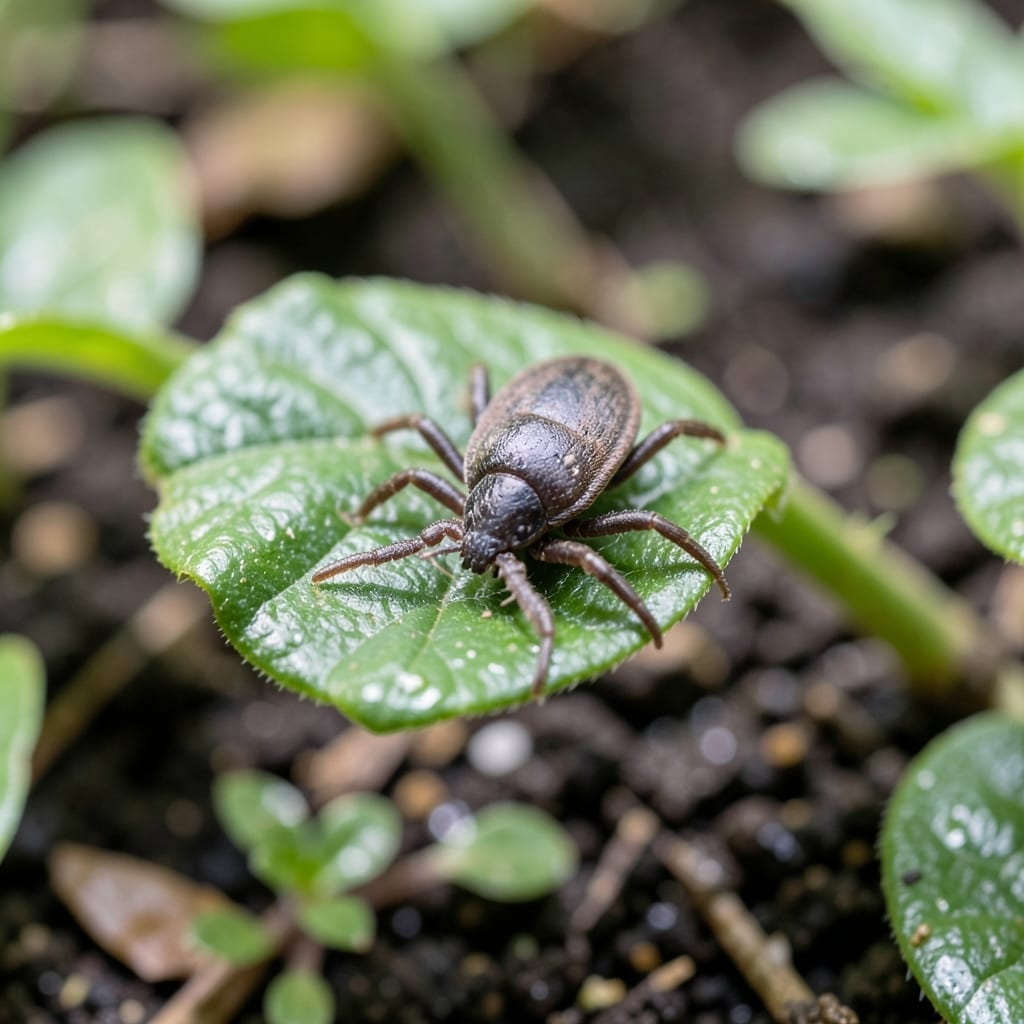
I first noticed the tiny hitchhiker after a hike through tall grass last summer. Ticks don’t jump or fly—they climb aboard when you brush against vegetation, waiting patiently for a host to pass by.
These pests thrive in wooded areas, leaf litter, and overgrown yards. My own backyard became a hotspot until I learned their favorite hiding spots: damp, shaded corners where deer and rodents roam freely.
Prevention starts with simple habits: stick to trails, wear light-colored clothing, and check yourself thoroughly after being outdoors. A quick shower within 2 hours can wash away unattached ticks before they latch on.
Even urban gardens aren’t safe—ticks hitch rides on pets and wildlife. Staying vigilant means protecting your family, your yard, and your peace of mind.
Ticks are opportunistic parasites that latch onto hosts for a blood meal, but their presence isn’t random. Understanding why you might encounter them is key to avoiding infestations. Here’s a breakdown of the most common causes:
Ticks thrive in wooded, grassy, or brushy areas, where they wait on tall grass or leaves for a host to pass by—a behavior called questing. If you hike, camp, or even walk your dog through these environments, you’re entering their natural habitat. Deer ticks, for example, are common in leaf litter, while American dog ticks prefer grassy fields.
Ticks don’t just target humans—they hitch rides on deer, rodents, birds, and pets. If your yard has a high population of these animals (or stray pets frequent it), ticks are more likely to be present. Even indoor pets can bring ticks inside after outdoor exposure.
Unkempt lawns, leaf piles, and overgrown shrubs create ideal tick microclimates. Ticks need humidity to survive, and dense vegetation traps moisture. Regularly mowing, raking leaves, and clearing brush reduces their hiding spots.
Tick activity peaks in warmer months (April–September), but some species (like the black-legged tick) remain active in winter if temperatures stay above freezing. Rising global temperatures have also expanded their range into new regions.
By recognizing these triggers, you can take targeted steps to minimize your risk of encountering ticks.
Dealing with ticks can be unsettling, but knowing how to safely remove them and prevent future encounters can give you peace of mind. Below are practical solutions for common tick-related issues, along with prevention tips to keep these pests at bay.
If you spot a tick attached to your skin, stay calm and follow these steps:
💡 Pro tip: Never crush a tick with your fingers—this can release harmful bacteria.
To reduce ticks in your outdoor space:
Pets are common tick carriers. Protect them with these steps:
When spending time outdoors:
✨ Pro tip: Throw your clothes in the dryer on high heat for 10 minutes to kill ticks hiding in fabric.
Ticks thrive in wooded, grassy, or brushy areas, especially where leaf litter accumulates. They also frequently appear in yards with tall grass or overgrown shrubs, waiting on vegetation to latch onto passing hosts.
Yes, ticks can survive indoors if brought in on pets, clothing, or people. They prefer humid environments, so basements or laundry rooms may harbor them. Regular cleaning and pet checks help prevent indoor infestations.
After spending time outdoors, perform a full-body check focusing on warm, hidden areas like armpits, groin, and scalp. Use a mirror or ask for help with hard-to-see spots. Shower within 2 hours to wash off unattached ticks.
No, not all ticks transmit diseases, but species like deer ticks can spread Lyme disease. It’s important to remove ticks promptly and monitor for symptoms like rashes or fever after a bite.