
Beautiful Plants For Your Interior
Beautiful Plants For Your Interior
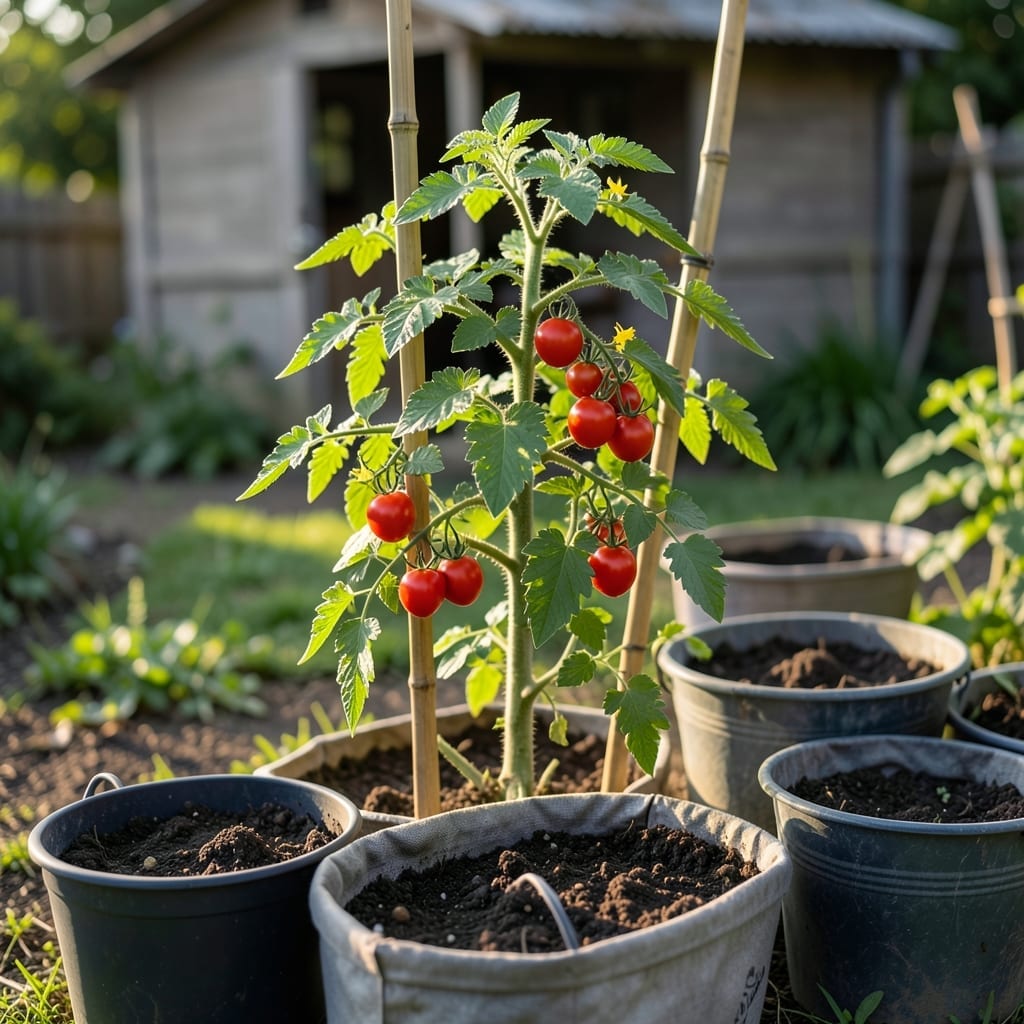
Growing 🍅 Tomato plants in containers can transform even the smallest balcony into a thriving garden. But here’s the catch – pick the wrong pot size and you might as well be setting your plants up for failure.
I’ve seen firsthand how the right container can turn a struggling Tomato into a healthy, fruit-bearing powerhouse. It’s not just about fitting the plant – it’s about giving roots room to stretch and access to proper nutrients.
Discover the ideal container sizes for different Tomato varieties and learn how to create the perfect growing environment. Your future harvest depends on it.
Choosing the right container size is crucial for healthy tomato growth. Too small, and your plants will be root-bound and stunted. Too large, and you risk overwatering and wasted space.
Different tomato varieties have unique space needs. Determinate tomatoes stay compact, while indeterminate types grow vining and need more room. Dwarf varieties thrive in smaller pots.
For dwarf tomatoes, a 1-3 gallon container works well. These compact plants stay small and produce smaller fruit but still need proper drainage.
Determinate tomatoes need at least a 5-gallon container. They grow to a set size and produce fruit all at once, making them ideal for patio gardening.
Cherry tomatoes are popular for containers. I recommend a 5-10 gallon pot to accommodate their vining habit and abundant fruit production.
If you’re growing indeterminate tomatoes, go big. These plants can reach 12 feet tall and need a 10-20 gallon container for proper root development.
Beefsteak tomatoes are the most demanding. Their large fruit and tall growth require a 15-25 gallon container for best results.
Remember, these are minimum sizes. Larger containers give roots more room to grow, leading to healthier plants and bigger harvests. Always ensure your container has drainage holes to prevent waterlogging.
I’ve found that fabric grow bags work exceptionally well for tomatoes, as they promote excellent drainage and prevent root circling. 🌱
Your container material impacts root health and growth. I’ve tested plastic, fabric, ceramic, and wooden pots—each has trade-offs for tomatoes.
Drainage holes are non-negotiable. Without them, root rot can destroy your plants. Even the best soil mix won’t save a waterlogged tomato.
For best results, I prefer fabric grow bags. They prevent root circling and allow excess water to escape easily.
Ceramic pots look great but often lack drainage holes. If you use them, drill your own and monitor soil moisture closely.
Wooden containers work well but may need liners to extend their lifespan. Cedar resists rot better than other woods.
No matter the material, always check for multiple drainage holes. Elevate pots with feet or bricks to improve airflow underneath. 🪴