
Beautiful Plants For Your Interior
Beautiful Plants For Your Interior
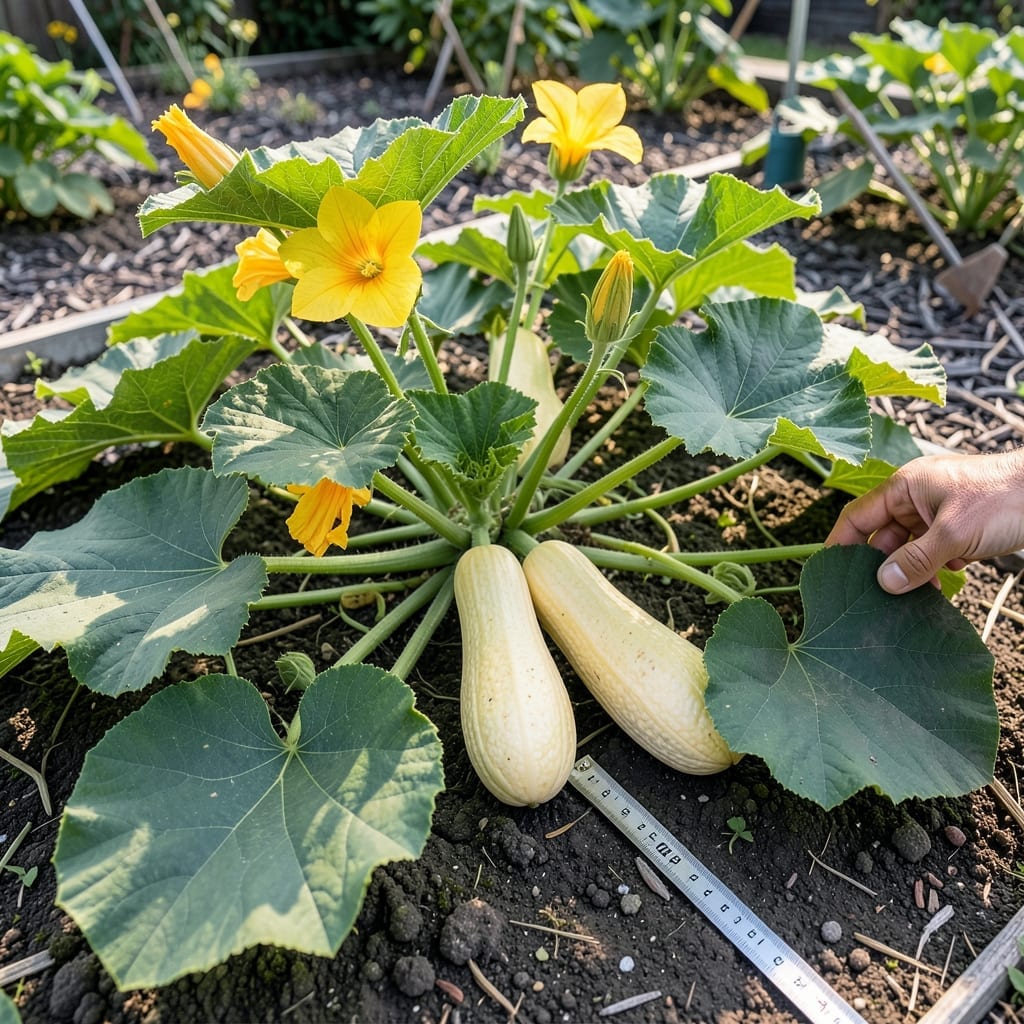
Ever seen a 🎃 Spaghetti Squash at the market and wondered just how large it grows? This garden favorite often surprises first-time growers with its impressive dimensions.
From vine to harvest, understanding its potential size helps you plan space and timing. Whether you’re working with a small patio or a sprawling garden, knowing these details makes all the difference.
Discover the typical range for both plant and fruit, plus the conditions that influence its growth. Let’s break it down simply.
If you’re growing spaghetti squash in your garden, you’ll want to know what to expect in terms of size. This winter squash variety typically produces oblong fruits that can vary significantly depending on the cultivar and growing conditions.
Most standard varieties reach about 8 to 12 inches long and 4 to 5 inches in diameter at maturity. The weight usually falls between 4 to 8 pounds, though some can grow larger under ideal conditions.
The vines themselves can spread 10 to 12 feet in all directions, so give them plenty of room. If space is limited, consider training them vertically on a strong trellis to save garden real estate.
Miniature varieties, like ‘Small Wonder’, produce smaller fruits that typically weigh 2 to 3 pounds and measure about 6 inches long. These are perfect for container gardening or smaller spaces.
Growing conditions play a big role in final size. Full sun and consistent watering help the fruits reach their maximum potential. Poor soil or inadequate sunlight may result in smaller, less developed squash.
I’ve found that regular feeding with a balanced fertilizer also encourages larger, healthier fruits. Aim for a 5-10-10 NPK ratio to support both vine growth and fruit development.
Harvest timing affects size too. Leaving squash on the vine too long can lead to overly large fruits with tougher skins, while picking too early may give you underdeveloped, smaller squash.
The rind color is another indicator of maturity. Most varieties turn a deep yellow or orange when ready, and the stem should be dry and woody. A hollow sound when tapped is a good sign it’s time to pick.
For the best results, I recommend testing one squash first if you’re unsure. Cut it open to check the stringy, spaghetti-like flesh—if it’s fully formed, the rest are likely ready too.
Tracking spaghetti squash growth helps you predict its final size and harvest at the right time. I start by monitoring the vine length and fruit development weekly to ensure everything is on track.
Early on, you’ll notice small yellow flowers appearing, followed by tiny fruits. These will grow rapidly with proper sunlight and water, so consistent care is key during this stage.
To estimate size, I use a soft measuring tape to track the length and diameter of developing fruits. Most reach 4–6 inches long by mid-growth and double in size by harvest.
Color changes are another great indicator. Standard varieties shift from pale green to deep yellow or orange as they mature. The rind hardness also increases, becoming difficult to pierce with a fingernail.
I recommend checking the stem condition too. A dry, woody stem signals readiness, while a green stem means the squash needs more time. Combine this with size measurements for the best accuracy.
For vertical growers, support the heavy fruits with slings or nets to prevent strain on the vines. This ensures even growth and helps you monitor progress more easily.
Finally, I always keep a garden journal to log measurements and observations. This helps me fine-tune my approach each season for the best results.