
Beautiful Plants For Your Interior
Beautiful Plants For Your Interior
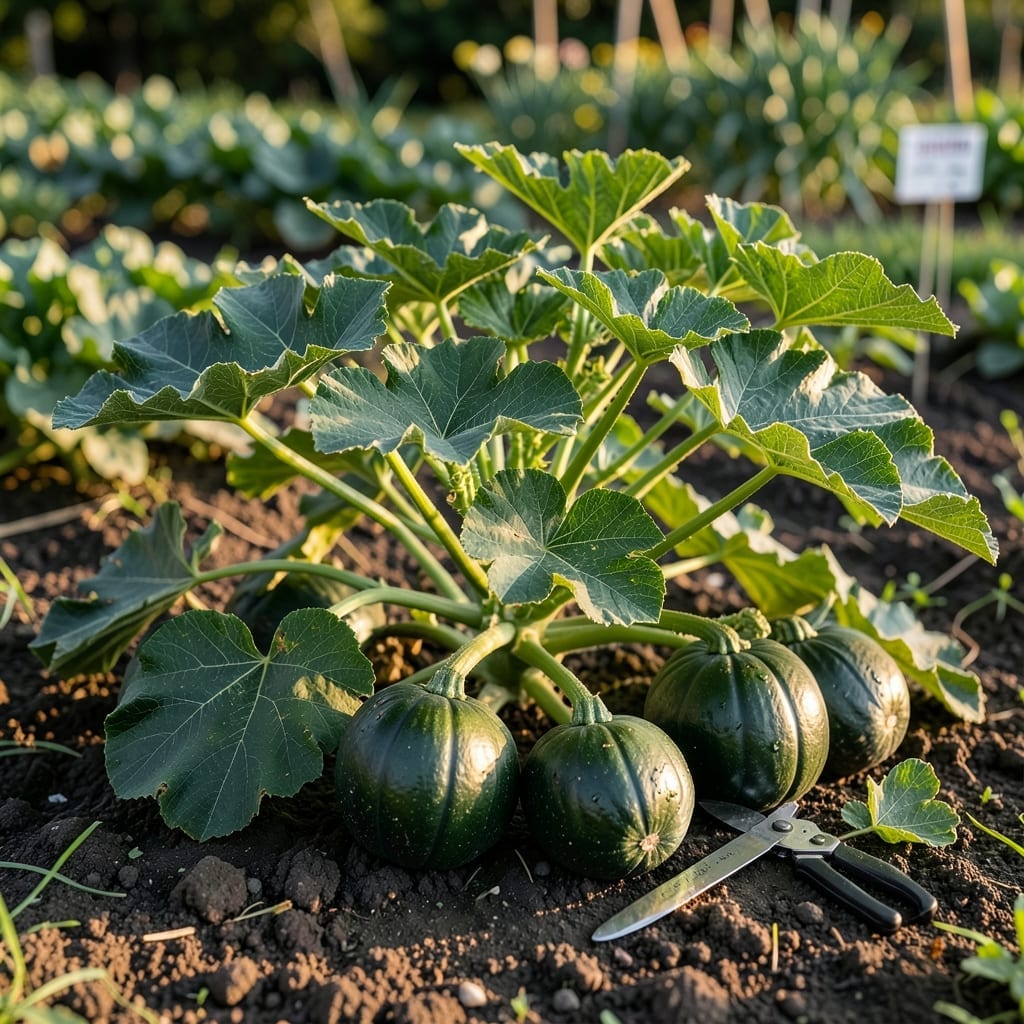
Acorn squash is a garden favorite, but its size can surprise new growers. The 🎃 Acorn Squash you find at markets typically weighs between 1-2 pounds, with a diameter of about 4-5 inches.
What many don’t realize is that size varies by growing conditions. In zone 6a, with proper care during the spring planting window, you can expect consistent results.
I’ll show you exactly what to look for when determining if your squash is ready to harvest, plus the key factors that influence its final size. Let’s get started.
If you’re growing acorn squash in your garden, you’ll notice the size can vary quite a bit. Most standard varieties like Table Queen typically reach 4-5 inches in diameter and weigh about 1-2 pounds when mature.
I’ve found that Tay Belle tends to be slightly larger, often hitting 5-6 inches across, while Carnival squash (a hybrid) usually falls in the 4-5 inch range but with more vibrant coloring.
| Variety | Diameter | Weight | Length |
|---|---|---|---|
| Table Queen | 4-5 inches | 1-2 lbs | 6-7 inches |
| Tay Belle | 5-6 inches | 2-3 lbs | 7-8 inches |
| Carnival | 4-5 inches | 1.5-2.5 lbs | 6-7 inches |
| Golden Acorn | 4-5 inches | 1-2 lbs | 5-6 inches |
The shape is another key identifier. Acorn squash gets its name from its ribbed, acorn-like appearance, with a slightly tapered end. The ribs are more pronounced in some varieties than others.
In my experience, soil conditions play a huge role in final size. Rich, well-draining soil with plenty of organic matter tends to produce larger, more uniform squash. I always amend my beds with compost before planting.
Don’t forget about spacing either. Plant your acorn squash 3-4 feet apart to give the vines room to spread. Crowded plants often produce smaller fruits as they compete for nutrients and sunlight.
For container gardening, look for bush varieties like Bush Table Queen. These stay more compact and typically produce 1-1.5 pound squash that are perfect for small spaces or patios.
Remember that weather conditions can affect size too. A hot, dry summer might yield smaller squash, while consistent moisture and moderate temperatures often result in larger, more flavorful fruits.
When shopping at farmers markets, I look for squash that feel heavy for their size with a hard, dry rind. This usually indicates they’ve reached their full mature size and are ready to store.
In my garden, I’ve had the best luck with Table Queen for consistent size and flavor. With proper care, you can expect 8-10 squash per plant through the growing season. 🌱
As a gardener, I’ve learned that acorn squash size isn’t just about the variety. The growing conditions play a huge role in determining how big your squash will get. Even the best varieties can underperform without proper care.
In my garden, I focus on four key factors: soil quality, watering, sunlight, and spacing. Get these right, and you’ll see a noticeable difference in your squash size.
I’ve noticed that soil preparation is often overlooked. Before planting, I work in 2-3 inches of compost or aged manure. This gives the vines the nutrients they need to support larger fruits.
Watering consistency is equally important. Acorn squash needs 1-2 inches of water per week, especially during fruit development. I use drip irrigation to keep the soil evenly moist without wetting the leaves.
For sunlight exposure, remember that these plants thrive in full sun. In my zone 6a garden, I plant where they’ll get at least 6-8 hours of direct sunlight daily. Less light often means smaller squash.
Finally, don’t crowd your plants. I space mine 3-4 feet apart in rows that are 5-6 feet apart. This gives the vines room to spread and access to the nutrients they need to produce full-sized squash. 🌱