
Beautiful Plants For Your Interior
Beautiful Plants For Your Interior
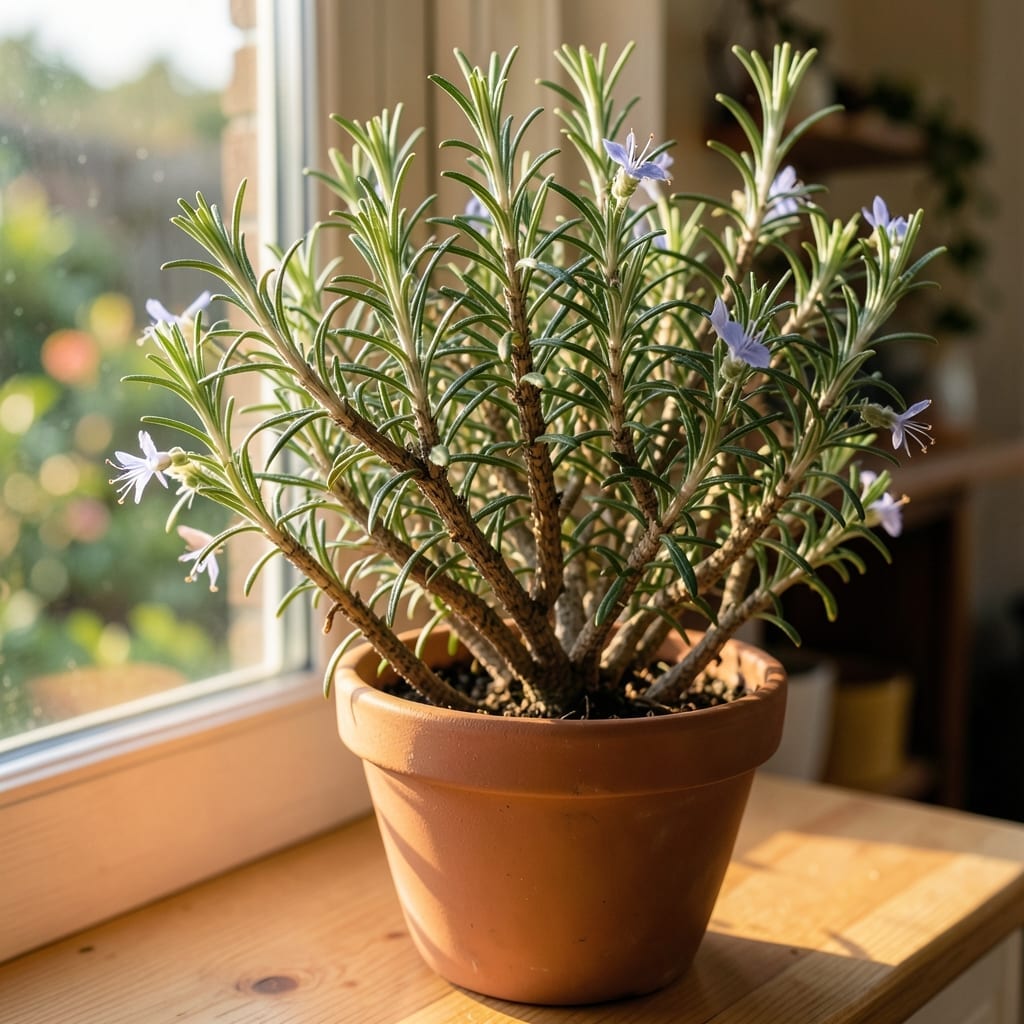
Whether you’re planning a herb garden or just curious about this fragrant Mediterranean staple, knowing how big 🌿 Rosemary gets is key to giving it the right space to thrive.
This versatile plant can surprise you with its growth potential. From compact container varieties to towering garden specimens, its size varies more than many realize.
I’ll show you exactly what to expect and how to manage its growth. Let’s discover the perfect fit for your space together.
If you’re wondering how big rosemary gets, the answer depends on growing conditions. In ideal settings, upright rosemary typically reaches 4-6 feet tall with a 2-4 foot spread. This woody perennial thrives in its native Mediterranean climate.
Container-grown rosemary stays more compact, usually 2-3 feet tall with a 1-2 foot spread. The prostratus or creeping variety spreads 6-8 feet wide but only grows 1-2 feet tall. These differences highlight its adaptability.
| Rosemary Type | Mature Height | Mature Spread | Best For |
|---|---|---|---|
| Upright (Rosmarinus officinalis) | 4-6 ft | 2-4 ft | Garden beds, hedges |
| Prostratus (Creeping) | 1-2 ft | 6-8 ft | Ground cover, cascading |
| Dwarf (e.g., ‘Blue Spires’) | 1-2 ft | 1-2 ft | Containers, small spaces |
| Container-Grown | 2-3 ft | 1-2 ft | Pots, patios, balconies |
Growth rate varies by environment. In warm climates like USDA zones 7-10, rosemary can grow 1-2 feet per year under optimal conditions. Cooler climates slow growth, often limiting height to 2-3 feet even at maturity.
Soil quality significantly impacts size. Well-draining soil with sandy loam encourages robust growth. Poor drainage stunts development, often resulting in a smaller, less vigorous plant regardless of variety.
Sunlight exposure is another key factor. Rosemary needs 6+ hours of direct sun daily to reach its full potential. Plants in partial shade typically grow 30-50% smaller than their sun-loving counterparts.
I’ve seen upright rosemary exceed 6 feet in ideal garden conditions, while the same variety in a 12-inch pot stays under 2 feet. This adaptability makes it perfect for various garden settings.
For prostratus types, their trailing nature makes them excellent for rock gardens or retaining walls. They’ll cascade beautifully over edges, creating a fragrant green waterfall effect.
Remember that pruning affects final size. Regular trimming keeps rosemary bushier and more compact. Without pruning, it can become leggy and sparse, especially in containers.
In my experience, dwarf varieties like ‘Blue Spires’ are perfect for small gardens or container growing. They maintain a neat 1-2 foot size while still producing abundant foliage for harvest.
Whether you want a tall hedge or a compact patio plant, there’s a rosemary variety that fits your space perfectly. 🌿
Several key elements determine how big rosemary gets in your garden. Climate plays a major role, with USDA zones 7-10 offering ideal conditions for maximum growth. Cooler areas naturally limit its potential size.
Soil quality significantly impacts development. Well-draining sandy loam encourages robust growth, while poor drainage stunts the plant. Rosemary dislikes wet feet, which can restrict its size regardless of variety.
Sunlight exposure is crucial for reaching full potential. Plants in partial shade often grow 30-50% smaller than those in full sun. I’ve noticed rosemary in shady spots stays sparse and leggy.
Pruning practices directly affect size. Regular trimming encourages bushier growth and can keep even vigorous varieties compact. Without pruning, rosemary tends to grow taller but less dense.
Container size limits root development, which restricts overall growth. Even upright varieties in small pots typically stay under 3 feet tall. Larger containers allow for more substantial growth.
In my garden, I’ve found that consistent moisture during the first year helps establish a strong root system, which supports better growth in subsequent years. Once established, rosemary becomes quite drought-tolerant.
By understanding these factors, you can control rosemary’s size to fit your space perfectly. 🌿