
Beautiful Plants For Your Interior
Beautiful Plants For Your Interior
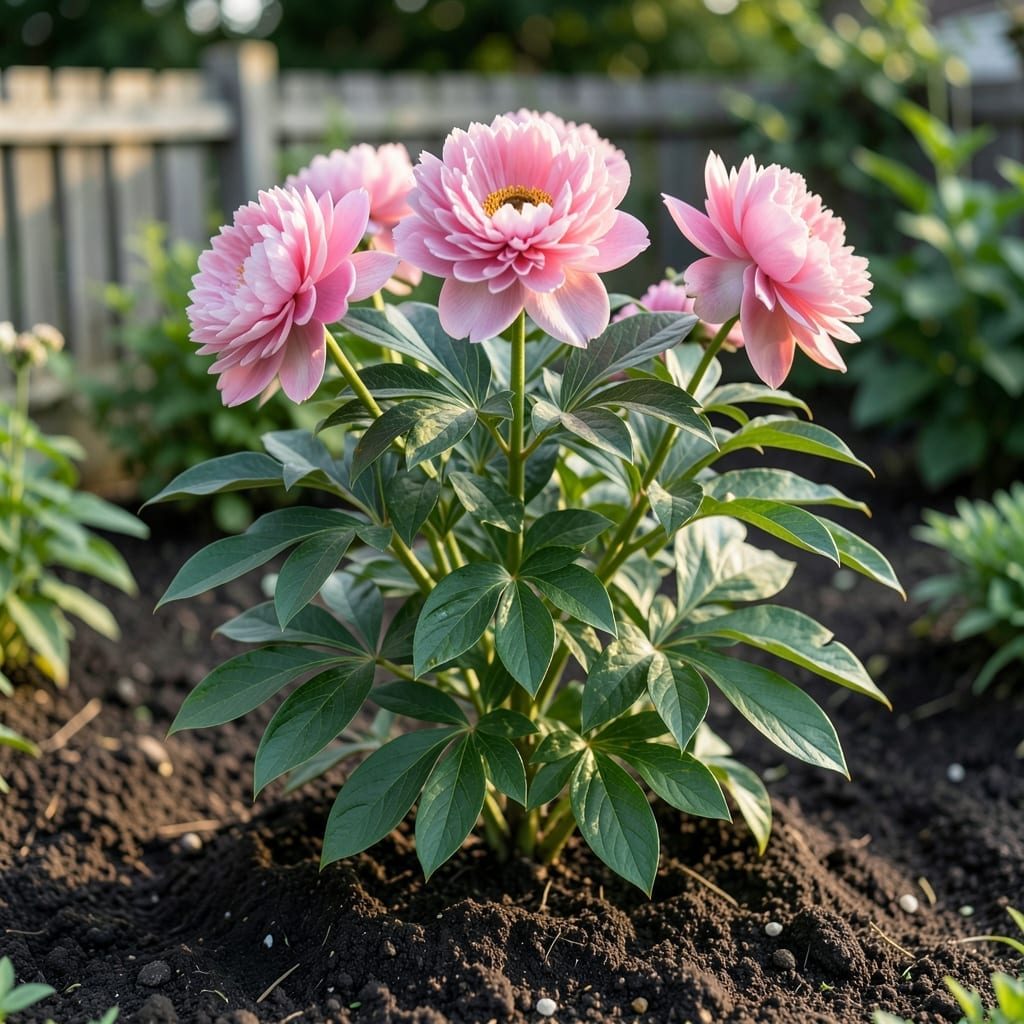
Peony plants can transform any garden with their lush blooms, but knowing their mature size is key to proper spacing and landscape planning.
Whether you’re planting herbaceous, tree, or intersectional 🌸 varieties, their growth habits vary significantly. Some stay compact while others can reach surprising heights.
Discover the typical height and spread ranges for each type, and learn how factors like soil and sunlight can influence their final size.

Understanding peony plant sizes starts with knowing which type you’re growing. The three main categories—herbaceous, tree, and intersectional—each have distinct growth habits that impact their mature dimensions.
Herbaceous peonies are the most common and typically stay 2-4 feet tall with a similar spread. They die back to the ground each winter but return with vigor each spring 🌸
| Peony Type | Mature Height | Mature Spread |
| Herbaceous | 2-4 feet | 2-4 feet |
| Tree | 4-7 feet | 3-5 feet |
| Intersectional | 2.5-4 feet | 2.5-4 feet |
Tree peonies are the giants of the group, often reaching 4-7 feet tall with a 3-5 foot spread. Their woody stems remain year-round, adding structure to winter landscapes. These need more space than their herbaceous cousins.
Intersectional peonies are a hybrid between herbaceous and tree types. They typically grow 2.5-4 feet tall and wide, offering a middle ground in size. These are often called Itoh peonies after the breeder who developed them.
The size differences become especially important when planning your garden layout. Tree peonies need permanent spots since they resent transplanting. Their height makes them ideal as focal points or at the back of borders 🌿
Herbaceous peonies work well in mixed borders or as mid-layer plants. Their 2-4 foot stature pairs beautifully with shorter perennials in front and taller shrubs behind. They’re also more forgiving if you need to move them later.
For container growing, intersectional peonies are often the best choice. Their moderate size and strong stems make them more suitable for pots than the larger tree varieties. Just ensure your container is at least 2 feet deep.
Remember that these are average ranges. Actual sizes can vary based on growing conditions. In ideal environments with rich soil and full sun, peonies may exceed their typical maximum dimensions.
Conversely, in poor soil or shady spots, even tree peonies might stay smaller than expected. This is why proper site selection is crucial for achieving the size potential of your chosen variety ✂️
While peony types have inherent size ranges, several factors can enhance or limit their growth. I’ve seen gardeners achieve maximum heights with proper care, while neglect can leave plants stunted.
Sunlight exposure is the most critical. Peonies thrive in full sun (6-8 hours daily) and may grow taller and fuller in these conditions. Shade can reduce both height and bloom production.
Soil quality directly impacts root development. I recommend loamy, fertile soil with a pH of 6.5-7.0. Compacted or poor soil restricts root growth, which limits overall plant size.
Watering practices matter too. Peonies need consistent moisture during their growth period, especially in spring. However, overwatering can lead to root rot, which stunts growth.
Pruning and fertilization also play roles. I always deadhead spent blooms to prevent seed formation, which redirects energy to growth. A balanced fertilizer applied in early spring and fall supports healthy development.
Finally, climate affects mature size. In cooler zones, peonies may grow more slowly, while in warmer areas with long growing seasons, they can reach the upper end of their size range more quickly ☀️