
Beautiful Plants For Your Interior
Beautiful Plants For Your Interior
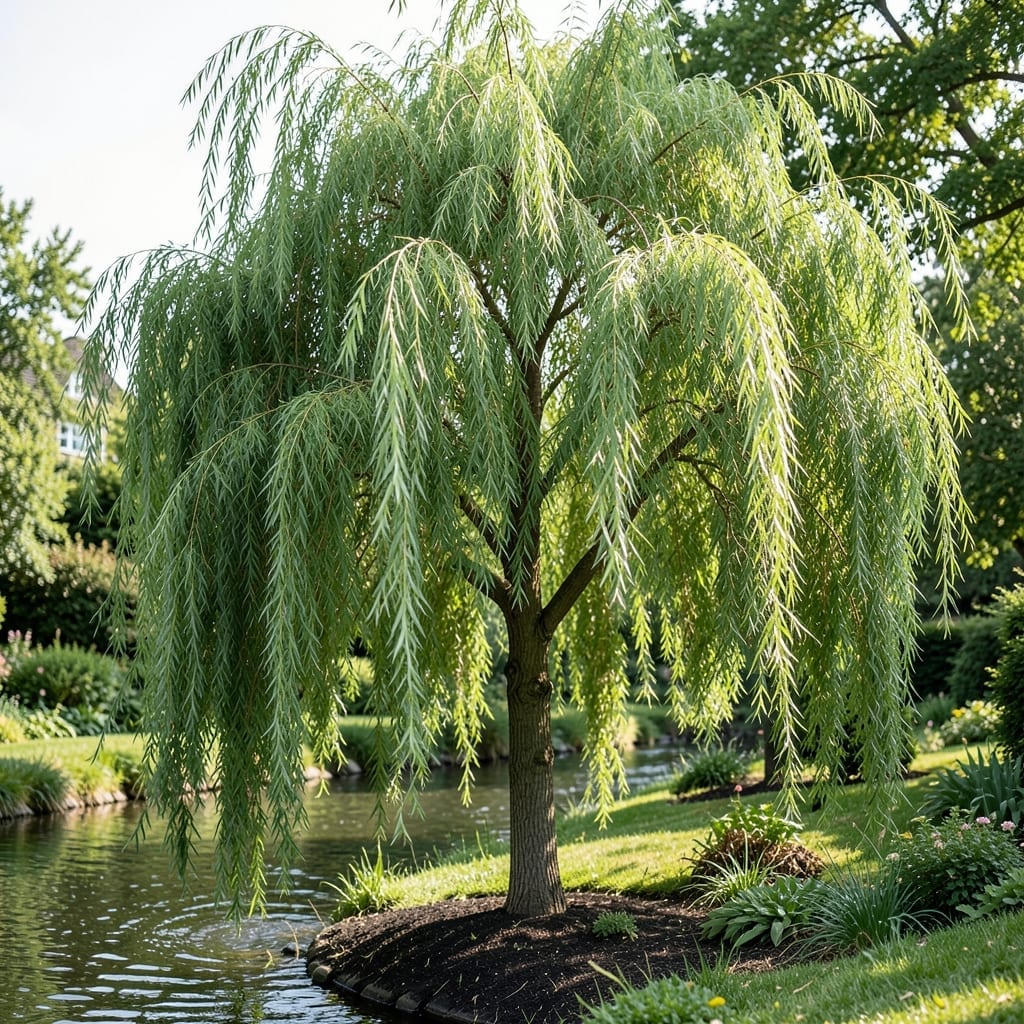
That graceful Willow Tree 🌳 in your neighbor’s yard might look manageable now, but don’t let its current size fool you. These fast growers can transform a landscape faster than you think.
What starts as a modest sapling can reach surprising heights in just a few years. Understanding their potential is the key to smart garden planning and avoiding future headaches.
Let me walk you through what to expect with mature Willow Trees and how to work with their impressive dimensions in your outdoor space.
Willow trees are fast growers that can reach impressive sizes. The mature height varies significantly by species, from compact shrubs to towering giants. I’ve seen gardeners underestimate their potential, leading to overcrowded landscapes. 🌳
Most weeping willows reach 40-70 feet tall with a 30-40 foot spread, while dwarf varieties stay under 10 feet. Knowing these ranges helps you choose the right type for your space.
| Variety | Mature Height | Canopy Spread |
|---|---|---|
| Weeping Willow | 40-70 ft | 30-40 ft |
| Pussy Willow | 15-25 ft | 12-20 ft |
| Black Willow | 30-50 ft | 25-35 ft |
| Dwarf Willow | 6-10 ft | 5-8 ft |
| Corkscrew Willow | 20-30 ft | 15-25 ft |
The weeping willow is the most iconic, often planted near water features or large open spaces. Its cascading branches can create a stunning focal point, but it demands room to thrive. ☀️
Pussy willows are smaller, making them ideal for medium-sized yards. They offer the classic willow look without overwhelming your landscape. Their fuzzy catkins add early spring interest.
Black willows are hardy and adaptable, often found in wetland areas. They grow slightly smaller than weeping willows but still need ample space. Their dark bark adds visual contrast.
For small gardens or containers, dwarf varieties like Salix caprea ‘Pendula’ stay manageable. These are perfect for patios or as ornamental accents near entryways. 🌿
I always recommend checking the mature size before planting. A common mistake is placing a weeping willow too close to structures or septic systems, leading to costly issues.
Corkscrew willows add unique texture with their twisted branches. At 20-30 feet, they fit well in suburban lots but still require thoughtful placement for their spread.
Remember, these sizes are estimates—your tree’s growth depends on soil, water, and climate. In ideal conditions, some may exceed typical ranges. ✂️
Several key factors determine how large your willow tree will grow. I’ve found that soil conditions and water access play the biggest roles in their development. 🌱
Climate zone also matters—willows thrive in USDA zones 4-9. Warmer climates may speed up growth, while colder areas can limit their maximum size.
Pruning practices can significantly impact size. Annual pruning helps maintain desired height and prevents overgrowth. I recommend late winter for best results. ✂️
Spacing is often overlooked but critical. A weeping willow needs at least 50 feet of open space to accommodate its mature spread and invasive root system.
In my experience, container growing works well for dwarf varieties. This restricts root spread and keeps the tree at a manageable size for patios or small gardens.
Don’t forget about local regulations. Some areas restrict planting willows near septic systems or water lines due to their aggressive roots. Always check before planting. 🌳
Remember that genetics set the baseline, but environmental conditions determine whether your willow reaches the upper or lower end of its size range. Proper care can help it thrive.