
Beautiful Plants For Your Interior
Beautiful Plants For Your Interior
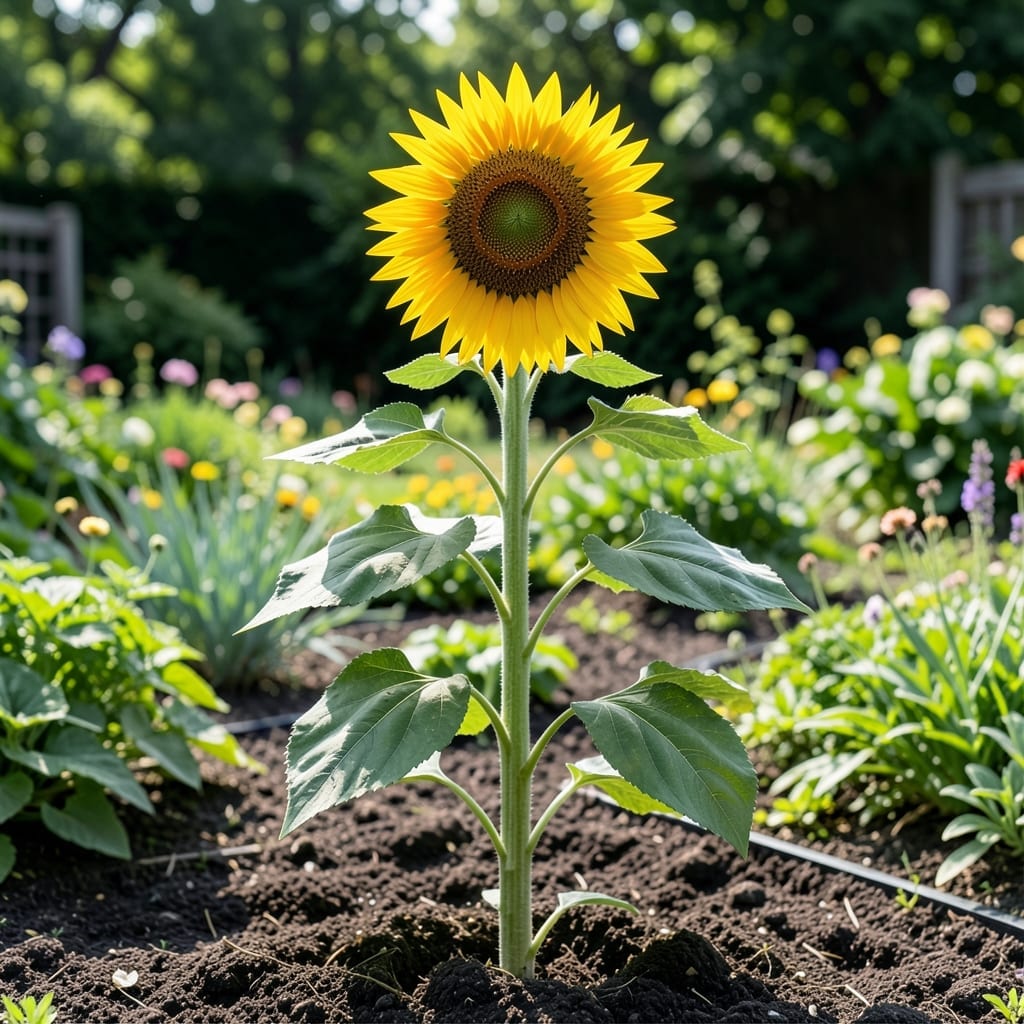
Sunflowers are the garden giants that can transform any outdoor space, but their size might surprise you. From petite varieties to towering beauties, the range is impressive.
I’ve seen these cheerful blooms reach anywhere from a modest 2 feet to a staggering 16 feet tall. The difference often comes down to the specific type you choose to grow.
Whether you’re planting in a small patio pot or a spacious backyard, understanding their potential helps you plan the perfect setup. Let me guide you through what to expect.


If you’ve ever wondered how big do sunflowers grow, the answer depends entirely on the variety you choose. These bright beauties come in a stunning range of sizes to fit any garden space.
From dwarf sunflowers perfect for containers to giant sunflowers that dominate the landscape, there’s a type for every gardener. I’ve grown multiple kinds and can confirm the height differences are dramatic.
| Variety | Height Range | Best For |
|---|---|---|
| Teddy Bear Dwarf | 2-3 ft | Containers & small spaces |
| Solar Flash | 4-5 ft | Patio gardens |
| Moulin Rouge | 5-6 ft | Cut flowers |
| Russian Giant | 8-12 ft | Backyard displays |
| Mammoth | 12-16 ft | Field growing |
The dwarf varieties like Teddy Bear typically max out at 3 feet tall. These are perfect for container gardening or small patios where space is limited.
For mid-sized sunflowers, expect heights between 5-8 feet. Varieties like Autumn Beauty fall into this range, offering substantial presence without overwhelming smaller gardens.
At the other extreme, giant sunflowers can reach 12-16 feet tall. The Mammoth variety often exceeds 12 feet under ideal conditions, creating a dramatic focal point.
I’ve found that standard sunflowers usually grow between 6-10 feet tall. These are the classic garden sunflowers that most people picture when they think of this cheerful bloom.
Remember that these height ranges are for mature plants under optimal growing conditions. Actual sizes may vary based on your specific garden environment and care practices.
For those with limited space, dwarf varieties offer all the sunflower charm in a compact package. They’re perfect for balconies or small urban gardens where every inch counts.
On the other hand, if you have the space, giant sunflowers create an unforgettable garden feature. Just be prepared for some serious height and potential wind protection needs.
No matter which size you choose, all sunflowers share that iconic cheerful face that brightens any garden space. 🌻
While sunflower genetics set the height potential, several environmental factors can make the difference between a stunted plant and a towering giant. I’ve seen the same variety reach vastly different heights based on care.
Soil quality plays a huge role, as rich, well-draining soil provides the nutrients needed for maximum growth. Poor soil often results in shorter, weaker stems.
Sunlight is perhaps the most critical factor. Sunflowers are heliotropic, meaning they follow the sun. Without full sun, they’ll grow taller but weaker as they stretch for light.
Watering practices also impact height. Deep, consistent watering encourages strong root development, while shallow watering can lead to stunted growth. I always water at the base to prevent disease.
Plant spacing affects height more than you might think. Crowded sunflowers compete for resources, often resulting in shorter plants. Give giants 3 feet between plants, while dwarfs need just 1 foot.
Fertilizer can boost growth but use it wisely. Too much nitrogen produces leafy growth at the expense of height. I recommend a balanced fertilizer early in the season, switching to low-nitrogen as buds form.
Finally, wind protection is crucial for tall varieties. Staking or planting near a fence can prevent toppling. Even with perfect care, a strong gust can snap a 12-foot sunflower in half. 🌻