
Beautiful Plants For Your Interior
Beautiful Plants For Your Interior
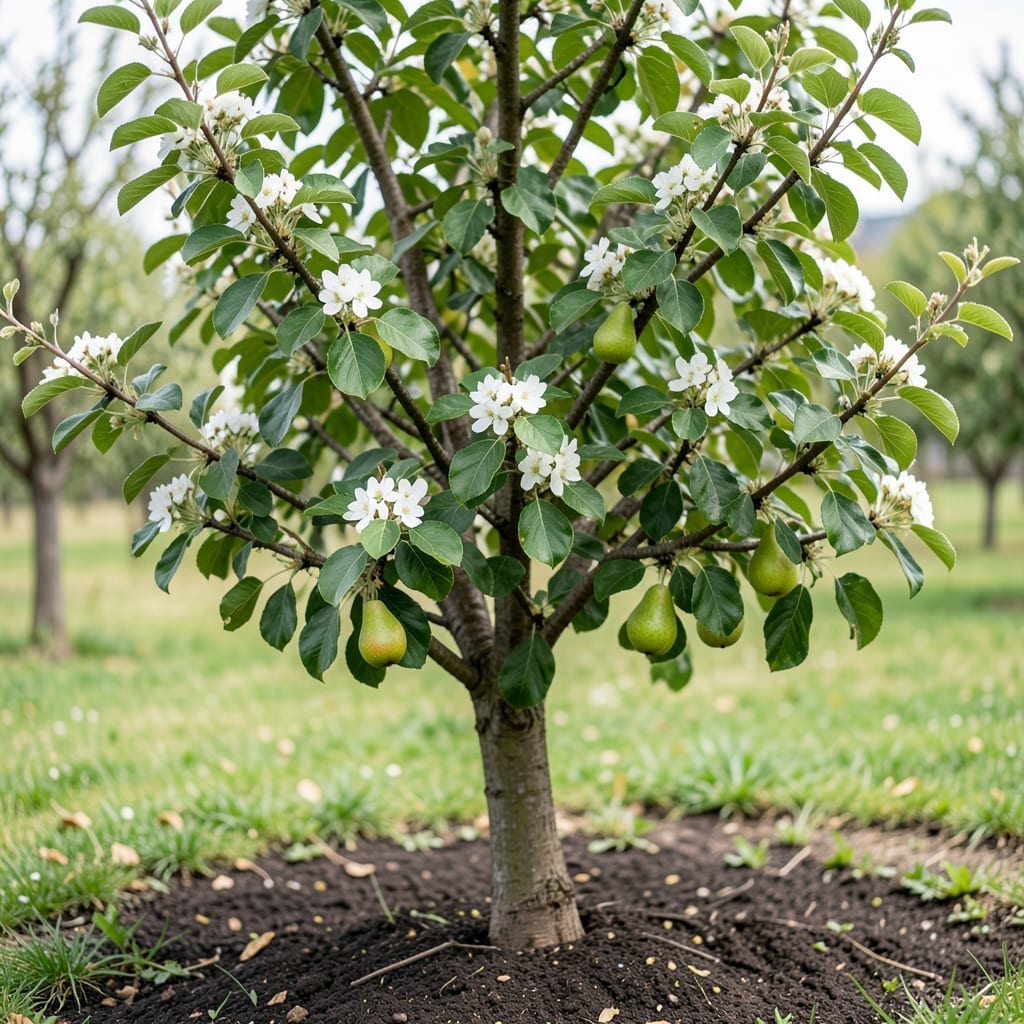
Pear trees can transform your garden into a lush, fruit-bearing oasis, but their mature size often surprises new gardeners. I learned this the hard way when my first 🍐 Pear Tree nearly outgrew its space in just 3 years.
Understanding how big these trees grow is crucial for proper spacing and long-term planning. Whether you’re planting a standard or dwarf variety, knowing the potential height and spread helps prevent future headaches.
Let me share what I’ve discovered about Pear Tree sizes and how to manage them effectively in your garden space.

When I first planted pear trees, I was amazed by how quickly they grew. The size your pear tree reaches depends heavily on its variety and rootstock. Standard trees can tower over your landscape.
Dwarf and semi-dwarf varieties offer more manageable sizes for smaller gardens. Each type has distinct height and spread ranges that influence your planting strategy.
| Variety | Height Range | Spread Range | Best For |
| Standard | 20-40 ft | 15-25 ft | Large orchards |
| Semi-Dwarf | 12-18 ft | 10-15 ft | Home gardens |
| Dwarf | 8-12 ft | 8-10 ft | Small spaces, containers |
| Bartlett | 15-20 ft | 12-15 ft | Standard variety |
| Anjou | 12-18 ft | 10-12 ft | Semi-dwarf option |
Standard pear trees like Bartlett or Bosc can reach 20-40 feet tall with a similar spread. I’ve seen mature specimens that dwarf two-story homes, so plan accordingly.
Semi-dwarf varieties typically grow 12-18 feet tall and 10-15 feet wide. These are perfect for most backyard gardens where space is limited but you still want substantial fruit production.
Dwarf pear trees stay compact at 8-12 feet tall and wide. I recommend these for patio containers or small urban gardens where every inch counts.
The rootstock plays a crucial role in determining final size. Dwarfing rootstocks keep trees small, while standard rootstocks allow full-size growth. Always check the rootstock type when purchasing.
Asian pear varieties generally grow 10-15 feet tall and wide, fitting well in many home landscapes. Their rounded shape makes them excellent ornamental and fruit trees.
Remember that these are mature sizes, typically reached after 5-7 years of growth. Young trees grow rapidly, so give them space to expand without future crowding.
In my experience, proper spacing from the start saves countless headaches later. A 20-foot diameter planting area for standard trees ensures good air circulation and easy maintenance access.
Several key elements influence how big your pear tree will ultimately grow. I’ve found that soil quality and sunlight exposure make the biggest difference in early development. Rich, well-draining soil gives roots the foundation they need to support vigorous growth.
Consistent access to full sun (at least 6-8 hours daily) fuels rapid expansion, especially during the first few years. Without adequate light, trees grow leggy and weak, struggling to reach their potential size.
🌱 Key Growth Factors
Watering practices also play a crucial role. Young trees need deep watering (about 1-2 inches weekly) to establish strong root systems. I use a slow-drip method to ensure moisture reaches deep into the soil where roots are developing.
Pruning is your secret weapon for controlling size. I prune my pear trees annually in late winter to remove dead wood and shape the canopy. This not only keeps the tree at a manageable size but also improves air circulation and fruit production.
Climate zone affects growth rate and final size. In USDA zones 5-9, pear trees thrive and reach their full potential. Cooler climates may result in slower growth, while warmer areas can accelerate development but may require more frequent pruning.
Don’t overlook the impact of rootstock selection. Dwarfing rootstocks can limit a standard variety to 8-12 feet, while vigorous rootstocks allow trees to reach their maximum genetic size. Always verify the rootstock type when purchasing bare-root trees.
In my garden, I’ve noticed that trees planted in protected, sunny spots grow 20-30% faster than those in less ideal locations. Proper site selection at planting time can save years of slow growth.