
Beautiful Plants For Your Interior
Beautiful Plants For Your Interior
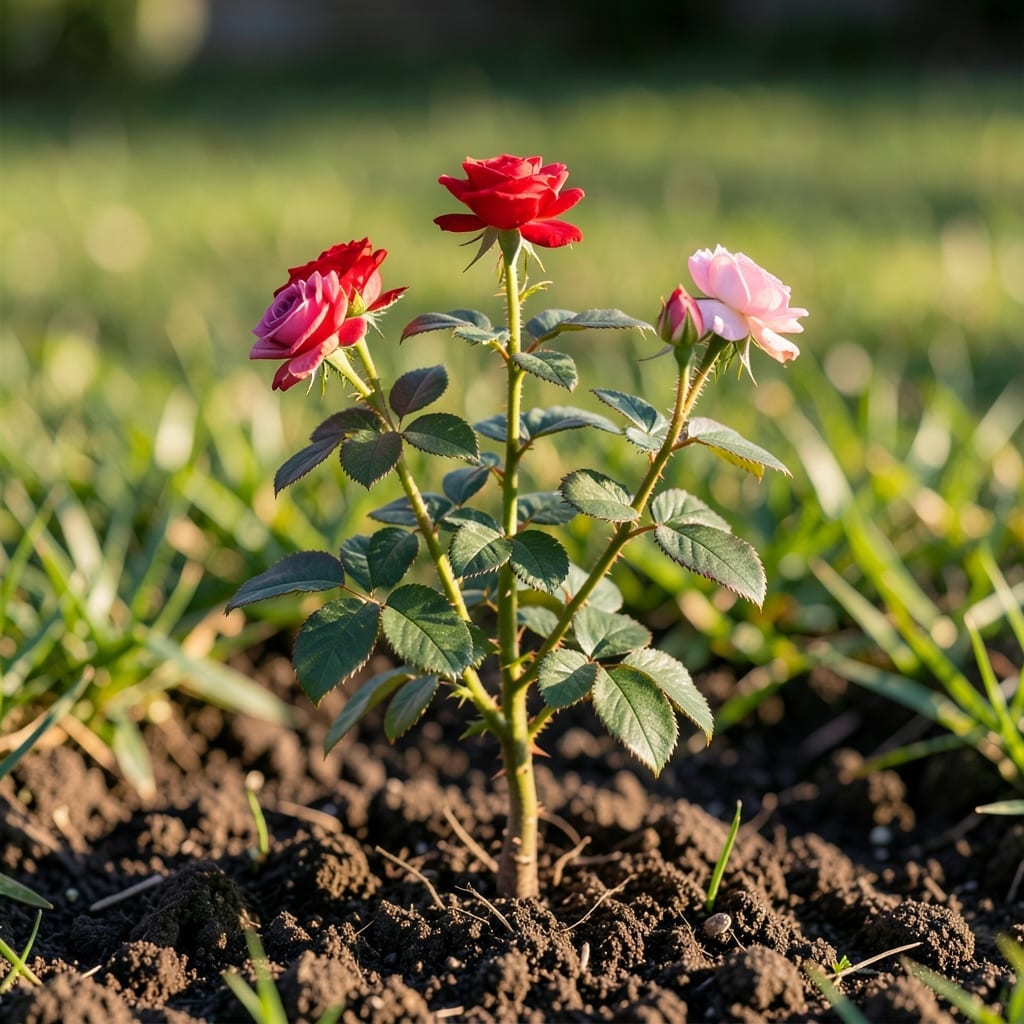
Miniature rose bushes bring the beauty of classic roses to compact spaces, but their size can vary more than you might expect. Understanding their typical dimensions helps you plan the perfect garden layout.
I’ve seen these 🌹 Miniature Roses thrive in everything from small containers to garden beds. Their growth depends on factors like care and environment, not just genetics. You might be surprised by how adaptable they can be.
Discover the typical height and spread ranges, and how to keep them looking their best. Whether you’re planting in Zone 6 or elsewhere, this guide has you covered.
When I first started growing miniature rose bushes, I was amazed by their compact size and big personality. These charming plants typically reach 6 to 24 inches in height, with a spread of about 6 to 18 inches.
What surprises many gardeners is how much their final size can vary based on growing conditions and cultivar type. Some stay tiny, while others push the upper limits with proper care. Their adaptability makes them perfect for containers or small garden spaces 🌷
| Dimension | Typical Range |
|---|---|
| Height | 6-24 inches |
| Spread | 6-18 inches |
| Mature Size | 1-2 years |
| Container Size | 6-12 inch pots |
The height range of 6 to 24 inches means these roses can fit almost anywhere. I’ve successfully grown them in window boxes and hanging baskets, where their small stature really shines.
Their spread of 6 to 18 inches makes them ideal for border planting or edging walkways. They won’t overpower other plants, yet they provide a burst of color that’s hard to ignore.
What affects their size most? Sunlight plays a huge role. In my experience, those getting 6+ hours of sun daily tend to reach the taller end of the range. Shade-grown specimens often stay more compact but may produce fewer blooms.
Soil quality matters too. Rich, well-draining soil encourages healthier growth, while poor soil can stunt their development. I always mix in compost when planting to give them the best start.
Pruning is another key factor. Regular trimming not only keeps them at your desired size but also promotes bushier growth and more flowers. I prune mine in early spring before new growth appears.
Some popular cultivars stay remarkably small. The ‘Cupcake’ variety, for example, rarely exceeds 12 inches in height. Others, like ‘Gizmo’, can reach up to 24 inches under ideal conditions.
Remember that container size influences growth too. In smaller pots, the roots are more constrained, naturally limiting the plant’s overall size. This makes them perfect for apartment balconies or patio gardens ✂️
Managing the size of your miniature rose bushes is easier than you might think. I’ve found that regular pruning is the most effective way to keep them at your desired height and shape.
Aim to prune in early spring just as new growth begins. This encourages bushier growth and helps control their size. I use sharp bypass pruners for clean cuts that won’t damage the stems ✂️
Container selection also plays a big role in size control. Smaller pots naturally restrict root growth, which in turn limits the plant’s overall size. I’ve had great success with 8-inch containers for keeping them compact.
For those wanting slightly larger plants, upsizing the pot to 12 inches can encourage more growth. Just remember that larger containers require more water and fertilizer to maintain healthy plants.
Sunlight exposure is another factor you can adjust. More sun typically means taller growth, while partial shade keeps them smaller. I’ve noticed my shade-grown roses stay about 30% smaller than their sun-loving counterparts.
Finally, don’t underestimate the power of pinching back new growth. This simple technique involves removing the top set of leaves on new stems, which encourages the plant to branch out rather than grow taller. It’s a gentle way to shape your roses without major pruning.