
Beautiful Plants For Your Interior
Beautiful Plants For Your Interior
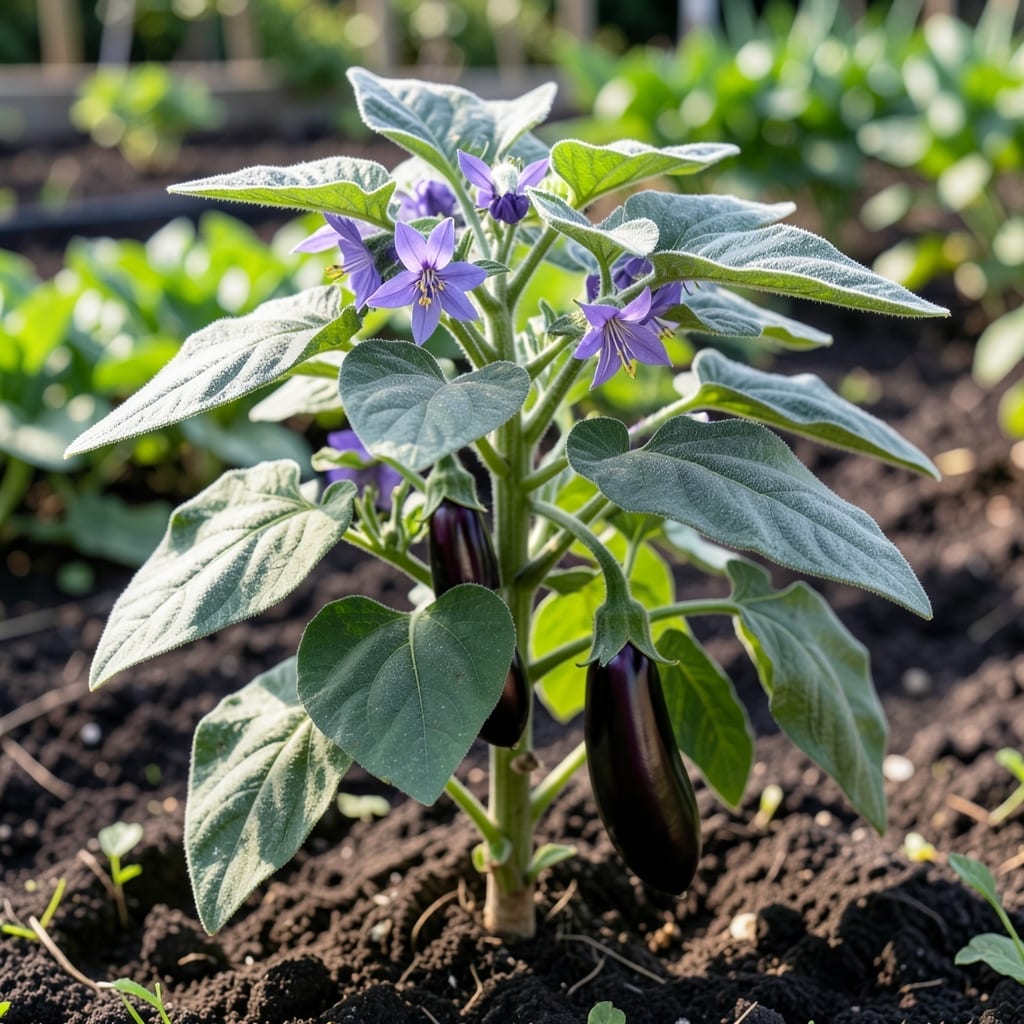
Japanese eggplants 🍆 stand out with their slender shape and delicate flavor, but their size can surprise first-time growers. Unlike their bulkier cousins, these elegant vegetables have unique dimensions that impact both gardening and cooking.
I’ve cultivated Japanese Eggplant in my own garden and discovered that their mature size varies more than you might expect. The difference between a perfectly proportioned harvest and an underwhelming one often comes down to a few key factors.
Discover what determines their final dimensions and how you can influence the outcome. Whether you’re planning your first crop or looking to improve, this insight will help you grow like a pro.
When I first grew Japanese eggplants, I was amazed by their slender, elongated shape compared to traditional globe eggplants. These elegant vegetables typically reach 6 to 8 inches in length at full maturity.
Most varieties maintain a consistent diameter of 1 to 2 inches, making them perfect for grilling or stir-frying whole. The weight usually falls between 4 to 8 ounces, though some can grow slightly larger under ideal conditions.
I’ve noticed that the Ichiban variety tends to stay on the smaller side, perfect for container gardening. Meanwhile, Tycoon eggplants can grow slightly longer and thicker, requiring more space in the garden.
The Millionaire variety is particularly prolific, producing many smaller fruits throughout the season. This makes it ideal for gardeners who want a steady harvest rather than large individual eggplants.
Compared to regular eggplants, which can grow as large as softballs, Japanese varieties are much more manageable in size. This makes them easier to incorporate into various dishes without overwhelming the plate.
In my experience, the size can vary based on growing conditions. Plants in rich, well-draining soil with consistent watering tend to produce fruits at the upper end of the size range. Meanwhile, stressed plants may yield smaller eggplants.
I always recommend harvesting young for the best texture. Japanese eggplants are at their peak when they’re firm and glossy, before the seeds inside become large and bitter. This usually occurs when they reach about 6 inches in length.
The thin skin of Japanese eggplants is another distinctive feature. Unlike thicker-skinned varieties, these don’t require peeling, which is a big time-saver in the kitchen. Their size also means they cook faster and more evenly.
For gardeners with limited space, I’ve found that Japanese eggplants are an excellent choice. Their compact size means you can grow more plants in a smaller area, and they adapt well to container gardening on patios or balconies 🌱
In my garden, I’ve learned that Japanese eggplant size isn’t just about genetics. The growing environment plays a huge role in how large your harvest will be. From soil to sunlight, every detail matters for consistent results.
I always start with rich, well-draining soil because eggplants are heavy feeders. Poor soil often leads to stunted growth and smaller fruits, no matter how good the variety is.
Use compost-enriched soil with pH 6.0-6.8 for optimal growth.
Provide 6-8 hours of direct sunlight daily for maximum size.
Keep soil evenly moist but not waterlogged to prevent size fluctuations.
Choose Ichiban for smaller or Tycoon for larger eggplants.
I’ve found that pruning techniques also affect size. Removing some early flowers can redirect energy to fewer, larger fruits rather than many small ones. This works well for gardeners prioritizing size over quantity.
Temperature is another critical factor. Japanese eggplants thrive in warm conditions between 70-85°F. Cooler temps can slow growth, resulting in smaller eggplants that take longer to mature.
Finally, I recommend regular feeding with a balanced fertilizer. I use a 5-10-10 formula every 4-6 weeks during the growing season. This ensures plants have the nutrients they need for consistent sizing 🌱