
Beautiful Plants For Your Interior
Beautiful Plants For Your Interior
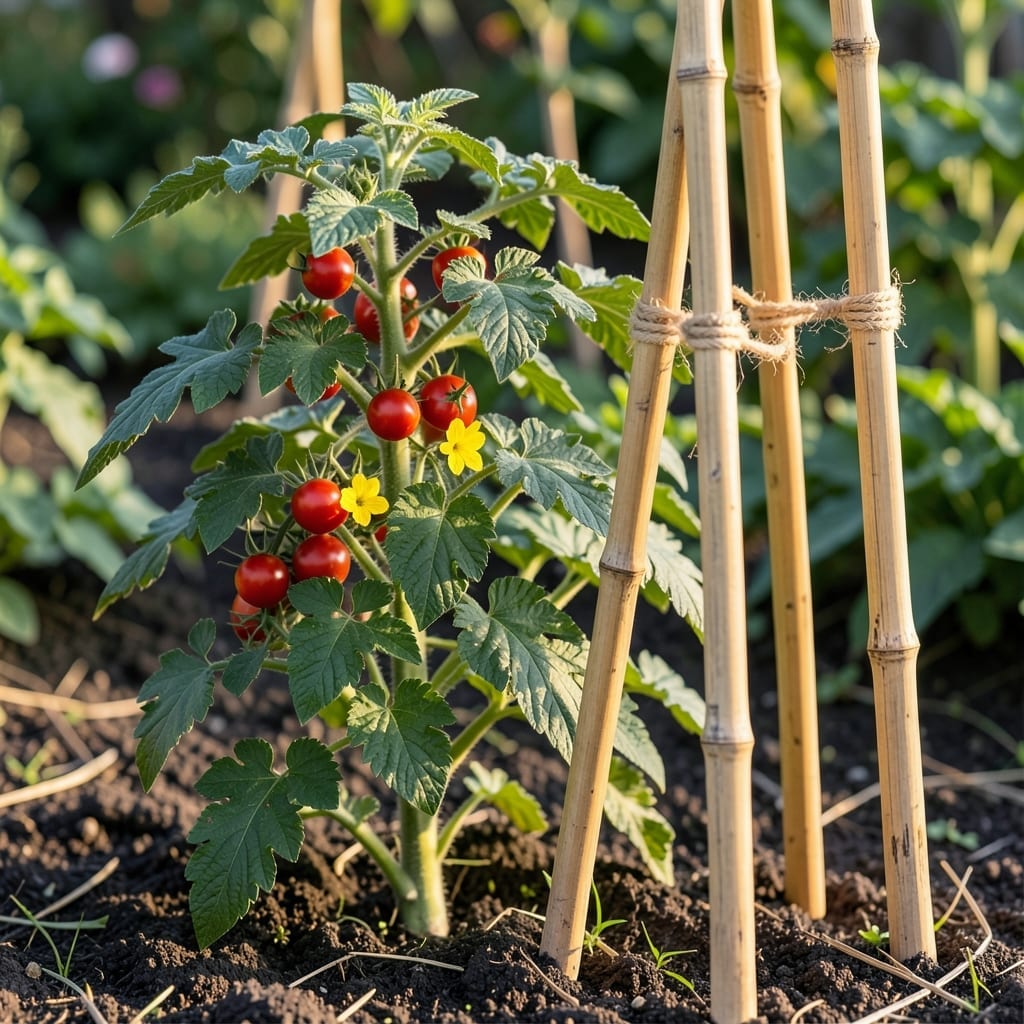
I remember the first time I planted Grape Tomato 🍅 vines and watched them climb higher than expected. These plants pack a surprise with their growth potential, reaching heights that can transform your garden space.
Understanding their typical size helps you plan supports and spacing before planting season arrives. Whether you’re working with a small patio or a large backyard, knowing what to expect makes all the difference.
Let me share the most important details about their growth habits and how to manage them effectively in your own garden.
When I first grew grape tomato plants, I was amazed at how quickly they reached for the sky. Most varieties grow 4 to 6 feet tall with a 2 to 3-foot spread, making them substantial additions to any garden.
These vining plants can climb even higher with proper support, often exceeding 6 feet in ideal conditions. Their growth habit is vigorous, so planning ahead for sturdy trellises or cages is essential.
| Growth Aspect | Typical Measurement |
|---|---|
| Height | 4-6 feet tall |
| Spread | 2-3 feet wide |
| Growth Habit | Indeterminate (vining) |
| Support Needed | Trellis or cage |
The indeterminate growth habit means these plants continue growing and producing fruit until frost arrives. This is why they often outgrow standard tomato cages and need taller supports.
In my experience, container-grown plants may stay slightly smaller, typically reaching 3 to 4 feet. However, they still require sturdy stakes or large cages to prevent toppling under their fruit load.
Several factors influence final size. Variety selection plays a big role—some compact types stay under 4 feet, while vigorous heirlooms can exceed 7 feet in perfect conditions.
Pruning practices also affect dimensions. Regular removal of suckers can control width but may reduce overall yield. I find a balance works best for most home gardens.
Growing conditions make a noticeable difference too. Plants in full sun with rich soil and consistent watering will always outperform those in suboptimal environments.
For vertical gardens, these plants are excellent choices. Their natural climbing tendency makes them perfect for trellis systems or tower gardens, where they can reach impressive heights while saving space.
Remember that spread width is just as important as height. Each plant needs 2 to 3 feet of space between neighbors to ensure good air circulation and prevent disease.
🌱Managing grape tomato plant size starts with choosing the right support system. I’ve found that tall trellises or sturdy cages work best for their vigorous vining habit. Without proper support, these plants can sprawl uncontrollably.
For smaller spaces, container gardening is a great option. Selecting a large pot (at least 5 gallons) helps restrict root growth, which naturally limits the plant’s overall size to about 3 to 4 feet.
Regular pruning is another effective way to manage size. By removing suckers that form in the leaf axils, you can direct the plant’s energy toward fruit production rather than excessive foliage. I recommend doing this weekly for best results.
If you’re growing in raised beds, consider using the Florida weave method with stakes and twine. This provides excellent support while keeping plants contained. It’s a technique I’ve used successfully for years in my own garden.
Variety selection plays a crucial role in size control. Some newer hybrids are bred to stay more compact, typically reaching just 3 to 4 feet tall. These are perfect for patio containers or small garden plots.
Remember that even with size control methods, grape tomatoes are naturally vigorous. They’ll still need consistent watering and feeding to produce well, regardless of their final size.
🌱