
Beautiful Plants For Your Interior
Beautiful Plants For Your Interior
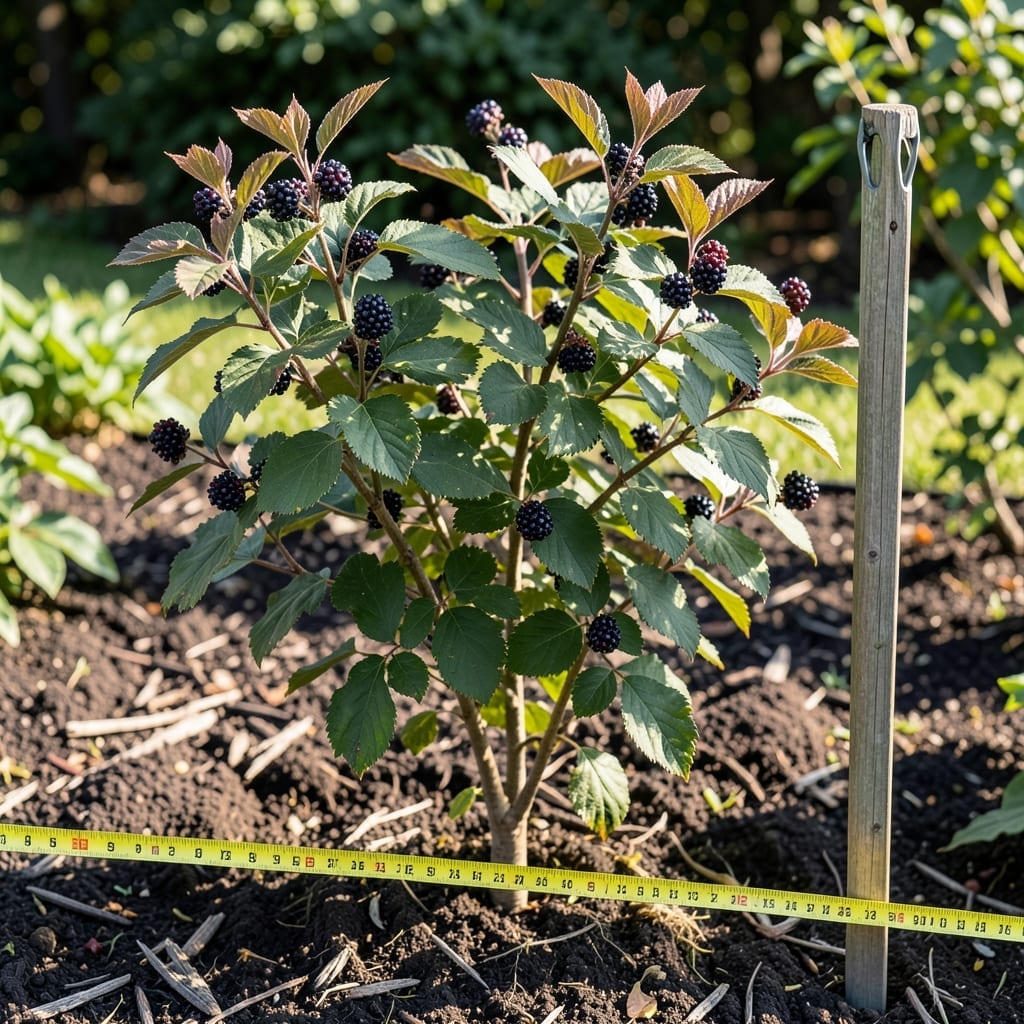
Elderberry bushes can transform your garden with their beauty and bounty. But before planting, you need to know how much space they’ll claim in your landscape.
The 🌿 Elderberry often reaches 6-12 feet tall with a similar spread. That’s taller than most people!
I’ll help you understand these dimensions and how to plan your garden accordingly. Let’s make sure your elderberries have room to thrive.
When I first planted elderberry bushes, I was amazed by how quickly they grew. These hardy shrubs can reach impressive sizes, making them a bold statement in any landscape. Their mature dimensions vary by type but generally surprise new gardeners.
The most common American elderberry typically grows 6-12 feet tall with a 4-8 foot spread. That’s like having a small tree in your yard! The European variety tends to stay slightly smaller, while dwarf cultivars max out around 4-6 feet in both directions.
🌿 Elderberry Variety Sizes
| Variety | Height Range | Spread |
|---|---|---|
| American | 6-12 ft | 4-8 ft |
| European | 8-10 ft | 5-7 ft |
| Dwarf | 4-6 ft | 3-5 ft |
I’ve noticed that soil quality and sunlight exposure significantly impact growth. In ideal conditions with 6+ hours of sun and moist, well-draining soil, elderberries will reach their maximum potential size more quickly.
The growth rate is another factor to consider. Most elderberries add 2-4 feet per year under good conditions. This means that in just 3-4 years, your bush could be at its mature height, so plan your spacing accordingly.
For gardeners with limited space, I recommend the dwarf varieties like ‘Lemony Lace’ or ‘Black Lace’. These compact shrubs offer the same beautiful foliage and berries but in a smaller package that fits better in urban gardens.
Remember that pruning practices can also influence size. Regular pruning won’t just keep your elderberry at a manageable size but will also encourage bushier growth and better fruit production. I always prune mine in late winter before new growth starts.
The climate in your area plays a role too. In warmer zones (7-10), elderberries tend to grow larger and faster than in cooler regions (3-6). This is something I wish I’d known when I first started growing them!
For the best results, I suggest giving each plant at least 6-10 feet of space. This allows for proper air circulation, which is crucial for preventing fungal diseases and ensuring healthy growth.
Lastly, don’t forget that elderberries can sucker freely, sending up new shoots from their roots. If left unchecked, this can lead to a much larger thicket than you might have planned for. Regular maintenance is key to keeping them in bounds. 🌿
Proper spacing is crucial when planting elderberry bushes. I’ve learned that giving them enough room ensures healthy growth and maximum fruit production. Crowding can lead to disease and poor air circulation.
For standard varieties, I recommend planting them 6-10 feet apart. This distance allows each bush to reach its full mature size without competing for resources. Dwarf types can be spaced slightly closer, about 4-6 feet apart.
🌿 Key Spacing and Location Tips
Elderberries thrive in full sun to partial shade, so I always choose a spot that gets at least 6 hours of sunlight daily. They also prefer moist, well-draining soil—think of a location near a water source or in a naturally damp area.
Companion planting can boost their health. I like to pair elderberries with pollinator-friendly plants like bee balm or coneflowers. These attract beneficial insects that help with pollination and pest control.
Avoid planting in low-lying areas where water pools, as elderberries dislike waterlogged roots. If your soil is heavy clay, I suggest amending it with compost or planting in a raised bed for better drainage.
Lastly, consider the long-term landscape. Elderberries can live for decades, so pick a permanent spot where they won’t outgrow their space or interfere with other plants. 🌿