
Beautiful Plants For Your Interior
Beautiful Plants For Your Interior
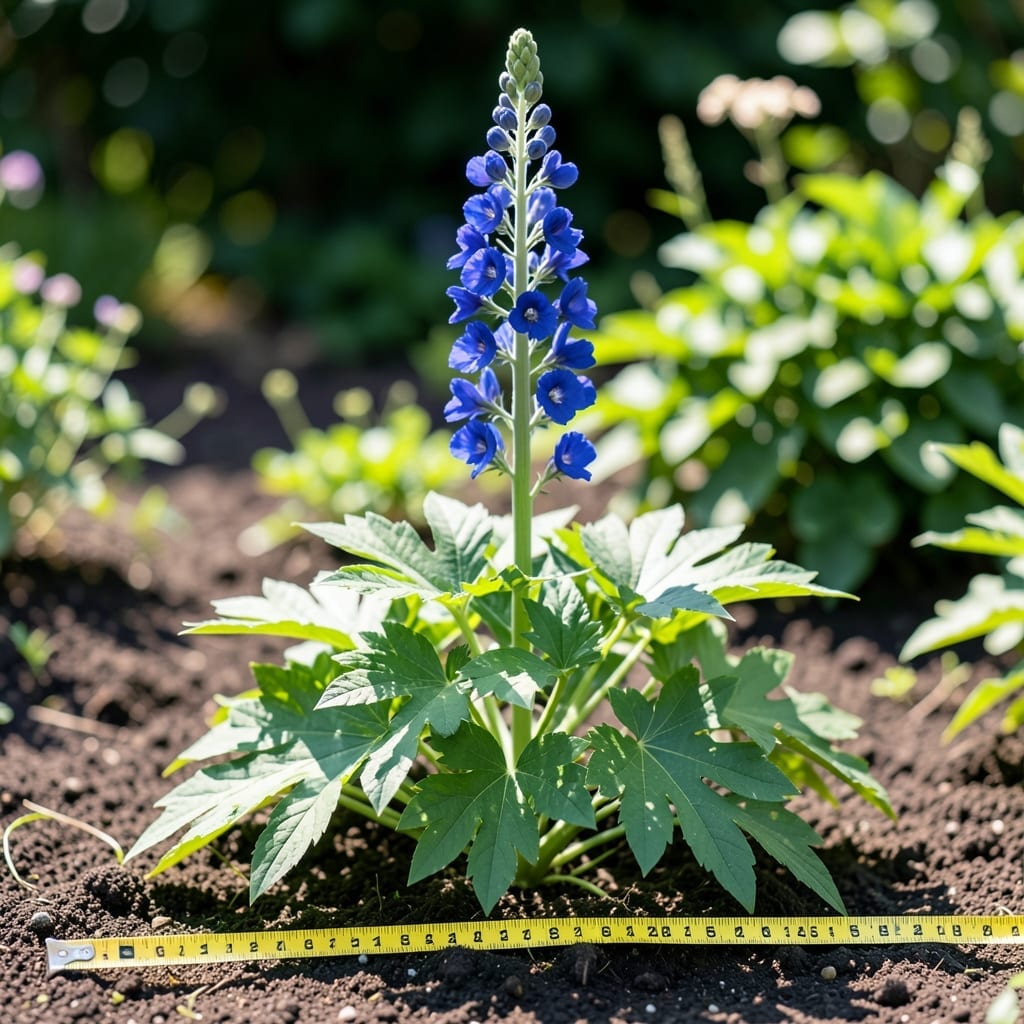
Delphiniums are prized for their towering spires of vibrant blooms, but their impressive height varies dramatically by variety. Knowing the mature size of these perennials is key to proper garden placement.
Whether you’re planting the 4-6 ft Pacific Giants or more compact types, understanding their growth habits helps you design a stunning landscape. The 🌸 Delphinium can transform any garden space with its vertical presence.
From dwarf varieties to towering specimens, each type brings unique dimensions to your garden. I’ll show you how to choose the perfect size for your space and needs.
Discover how to make the most of these beautiful plants, regardless of their mature height. Let’s explore what makes Delphiniums a garden favorite.
If you’re wondering how big do delphiniums get, the answer depends heavily on the variety you choose. These stunning perennials range from compact 1-2 foot dwarf types to impressive 6-foot giants that dominate garden borders.
I’ve found that Pacific Giants and Elatum hybrids typically reach 4-6 feet tall, while Belladonna types stay more modest at 2-3 feet. The spread usually stays between 1-2 feet for most varieties.
| Variety | Typical Height | Distinguishing Traits |
| Pacific Giants | 4-6 ft | Large flower spikes, bold colors |
| Elatum Hybrids | 4-6 ft | Semi-dwarf, early blooming |
| Belladonna | 2-3 ft | Compact, branching stems |
| Dwarf Types | 1-2 ft | Perfect for containers |
The tallest delphiniums like Pacific Giants can reach 6 feet in ideal conditions, making them perfect for back-of-border plantings where they won’t overshadow smaller plants.
For mid-border positions, I recommend Elatum hybrids at 4-5 feet. They provide dramatic height without overwhelming the space. Their strong stems support large flower spikes beautifully.
Belladonna delphiniums at 2-3 feet work wonderfully in cottage gardens or mixed perennial beds. Their branching habit creates a bushier appearance that’s different from taller varieties.
If you need container-friendly options, look for dwarf varieties that stay under 2 feet tall. These are perfect for patio gardens or small spaces where you want that delphinium charm without the height.
Remember that mature size is typically reached in the second or third year. First-year plants often stay 2-3 feet shorter than their full potential, so plan accordingly when designing your garden layout.
In my experience, soil quality and sunlight exposure can affect final height by 10-15%. Rich, well-draining soil and full sun (6+ hours daily) help delphiniums reach their maximum height potential. ☀️
The spread of delphiniums is generally more consistent across varieties, usually 12-24 inches wide. This makes spacing easier when planting – I typically allow 18-24 inches between plants for good air circulation.
If you’re wondering how big do delphiniums get, know that their height isn’t just about genetics. While variety selection sets the baseline, several environmental factors play a huge role in their final size.
I’ve found that soil quality and sunlight exposure are the biggest game-changers. Rich, well-draining soil with plenty of organic matter can add 1-2 feet to your plants’ height compared to poor soil. 🌱
The amount of direct sunlight your delphiniums receive directly impacts their height. In my garden, those in full sun consistently outperform those in partial shade by at least 1 foot in height.
Watering practices also make a difference. Delphiniums need regular moisture, especially during their growth phase. I aim for 1-2 inches of water weekly, adjusting for rainfall. ☀️
Don’t overlook wind exposure. Tall varieties in windy locations may grow shorter or need staking support. I always place my tallest delphiniums in sheltered spots to prevent wind damage.
Finally, pruning techniques can influence size. Pinching back young plants encourages bushier growth rather than just height. I’ve had great success with this method for more compact, flower-filled plants. 🌿