
Beautiful Plants For Your Interior
Beautiful Plants For Your Interior
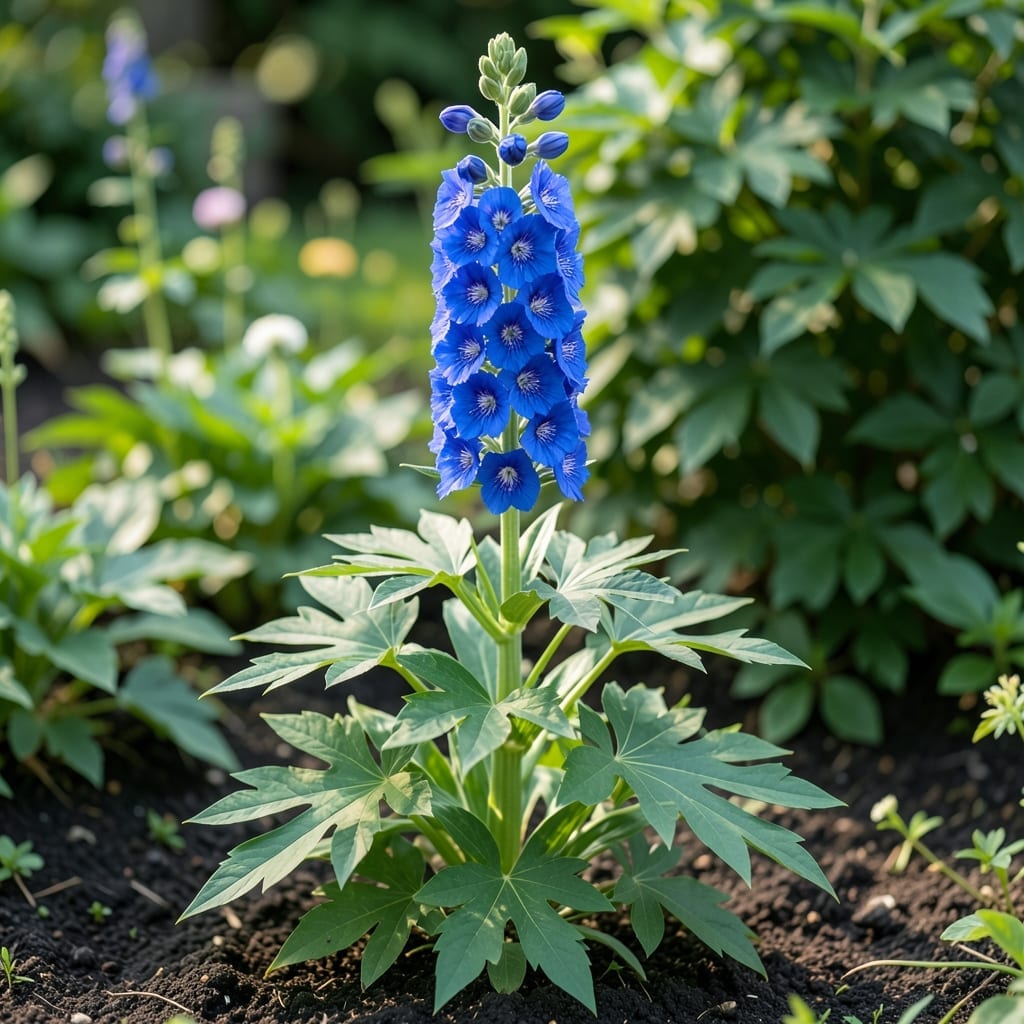
Delphiniums are stunning perennials that can elevate any garden, but their light requirements often leave gardeners confused. Getting the sunlight right is the key to thriving blooms versus disappointing growth.
The 🌸 Delphinium thrives best with proper light exposure. Without it, you might end up with weak stems and sparse flowers instead of the vibrant display you envision.
I’ve seen firsthand how the right amount of sunlight transforms these plants. Whether you’re in USDA zones 4-7 or just starting out, understanding their needs makes all the difference.
Let me walk you through what works best so you can enjoy healthy, flourishing Delphiniums all season long.

If you’re growing delphiniums, you’ll want to prioritize full sun exposure for the best results. These tall, majestic flowers thrive with 6-8 hours of direct sunlight daily, which fuels their vibrant blooms and strong stems. ☀️
In my experience, morning sun is particularly beneficial as it dries dew quickly, reducing the risk of fungal diseases. However, in extremely hot climates, a bit of afternoon shade can prevent heat stress while still allowing them to flourish. 🌿
| Requirement | Specification |
|---|---|
| Ideal Sunlight | 6-8 hours daily |
| Light Type | Direct sunlight |
| Shade Tolerance | Limited (partial shade okay) |
| Hot Climate Tip | Afternoon shade helps |
| Cool Climate Tip | Maximize sun exposure |
For gardeners in cooler climates, I recommend placing delphiniums in the sunnier spots of your garden. The extra warmth helps them grow taller and produce more flowers. In contrast, those in warmer zones might need to provide some shade during peak heat. 🌡️
I’ve noticed that delphiniums in partial shade tend to have weaker stems and fewer blooms. While they can survive with less light, their performance is noticeably better with full sun. If shade is unavoidable, choose a location with morning sun and dappled afternoon shade. 🌱
Another key point is soil moisture. Full sun can dry out the soil faster, so I always mulch around my delphiniums to retain moisture. Just be sure the soil remains well-draining to avoid root rot. A layer of organic mulch works wonders for maintaining consistency. 💧
If you’re growing delphiniums in containers, ensure they receive full sun for most of the day. Pots can heat up quickly, so monitor the soil moisture closely. I find that larger containers help buffer temperature swings and keep roots happier. 🪴
For those in USDA zones 4-7, delphiniums are well-suited to your climate. In these regions, they’ll benefit from full sun exposure, but always keep an eye on watering needs during dry spells. Consistent moisture is key to keeping them thriving. ☀️
Lastly, remember that staking delphiniums is often necessary, especially in windy areas. Full sun helps them grow tall and strong, but their height can make them top-heavy. I use bamboo stakes or garden twine to support them as they reach for the sky. ✂️
I often get asked if delphiniums can grow in partial shade. The short answer is yes, but with some important trade-offs to consider before planting.
While full sun is ideal, these tall perennials can survive in 4-6 hours of sunlight. However, expect fewer blooms and shorter stems compared to sun-drenched plants.
In my experience, dwarf varieties like ‘Blue Jay’ or ‘Butterfly Blue’ handle partial shade better than taller types. They’re more compact and less likely to topple over in wind.
If you must plant in shade, choose a north-facing or east-facing spot. Morning sun is gentler and helps prevent fungal issues that thrive in damp, shady conditions.
For best results, amend the soil with compost to improve drainage and fertility. Even in shade, delphiniums need rich, well-draining soil to thrive.
Remember, no delphinium will flourish in deep shade. If your garden lacks sun, consider shade-tolerant alternatives like hostas or astilbes instead. ☀️