
Beautiful Plants For Your Interior
Beautiful Plants For Your Interior
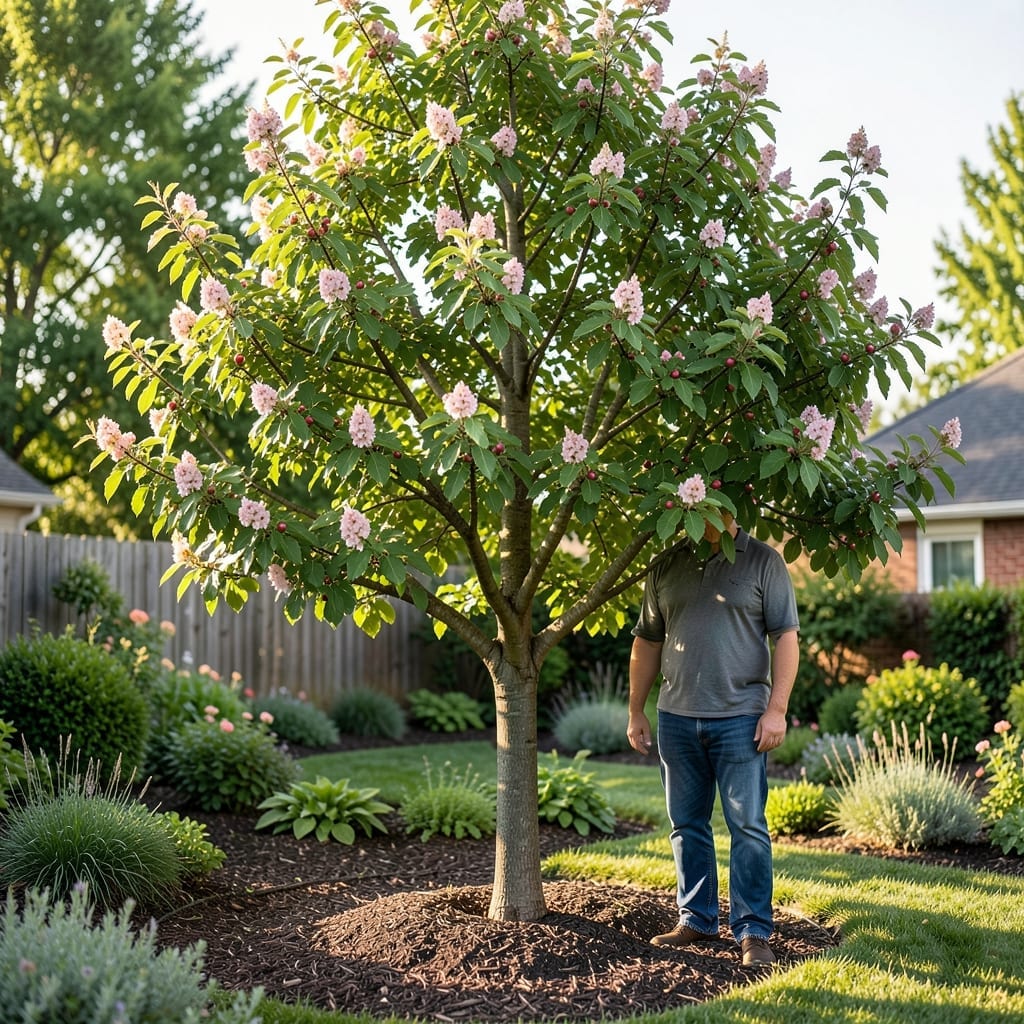
Crabapple trees 🌳 can transform your landscape, but their size might surprise you. These beautiful trees vary dramatically in height and spread based on the variety you choose.
Whether you’re planting a dwarf or a standard Crabapple Tree, knowing their mature dimensions is key for proper garden planning. You don’t want to end up with a tree that outgrows its space.
Discover how tall and wide these trees typically grow, and what factors influence their size. This knowledge will help you make the most informed decision for your yard.
Crabapple trees come in a surprising range of sizes, from compact dwarf varieties to towering standards. This diversity makes them perfect for almost any landscape, whether you have a small urban yard or a sprawling rural property.
Dwarf crabapples typically reach 6-10 feet tall with a similar spread. These are ideal for container gardening or planting near patios where space is limited.
| Variety | Height Range | Spread Range |
|---|---|---|
| Dwarf | 6-10 ft | 6-10 ft |
| Semi-Dwarf | 10-15 ft | 10-15 ft |
| Standard | 15-30 ft | 15-25 ft |
Semi-dwarf varieties usually grow 10-15 feet tall and wide. These are excellent for medium-sized yards where you want impact without overwhelming the space.
Standard crabapples can reach 15-30 feet tall with a 15-25 foot spread. These majestic trees create dramatic focal points and provide ample shade in larger landscapes.
I’ve seen Adams Crabapple reach about 20 feet in ideal conditions, while Sargent Crabapple stays closer to 6-8 feet. The difference is striking and shows how variety selection affects your garden’s design.
For urban gardeners, columnar varieties like ‘Red Jade’ stay narrow while reaching 15-20 feet tall. These fit perfectly in tight spaces between buildings or along driveways.
The weeping crabapple varieties often stay smaller, typically 8-12 feet tall with a similar spread. Their graceful, pendulous branches create a unique architectural element in any garden.
Remember that these are mature sizes, often reached after 10-15 years of growth. Most crabapples grow at a moderate rate of about 12-24 inches per year when young.
When planning your landscape, always consider the mature spread as well as height. A tree that grows 25 feet wide needs plenty of open space to reach its full potential without crowding other plants.
I recommend planting crabapples at least half their mature spread away from structures or other large plants. This prevents future pruning headaches and allows the tree to develop its natural shape.
The final size of your crabapple tree isn’t just about genetics. Several environmental factors play a huge role in how tall and wide it will grow. Understanding these can help you create the perfect conditions.
First, sunlight exposure is crucial. Crabapples thrive in full sun (6+ hours daily), which promotes optimal growth. Trees in shady spots often grow more slowly and stay smaller.
Soil quality makes a big difference. These trees prefer slightly acidic to neutral soil (pH 6.0-7.0). Poor soil can stunt growth, while rich loam helps them reach their full potential.
Watering practices also affect size. Young trees need weekly deep watering to establish strong roots. Once mature, they’re fairly drought-tolerant but grow best with consistent moisture.
Pruning techniques can control size and shape. I recommend annual pruning in late winter to remove dead wood and shape the canopy. This keeps your tree healthy and at your desired size.
Finally, climate conditions matter. Crabapples grow best in USDA zones 4-8. In colder areas, they may stay smaller, while in ideal climates, they can reach their maximum genetic potential.
I’ve noticed that trees in protected microclimates often grow slightly larger than those exposed to harsh winds or extreme temperatures.