
Beautiful Plants For Your Interior
Beautiful Plants For Your Interior
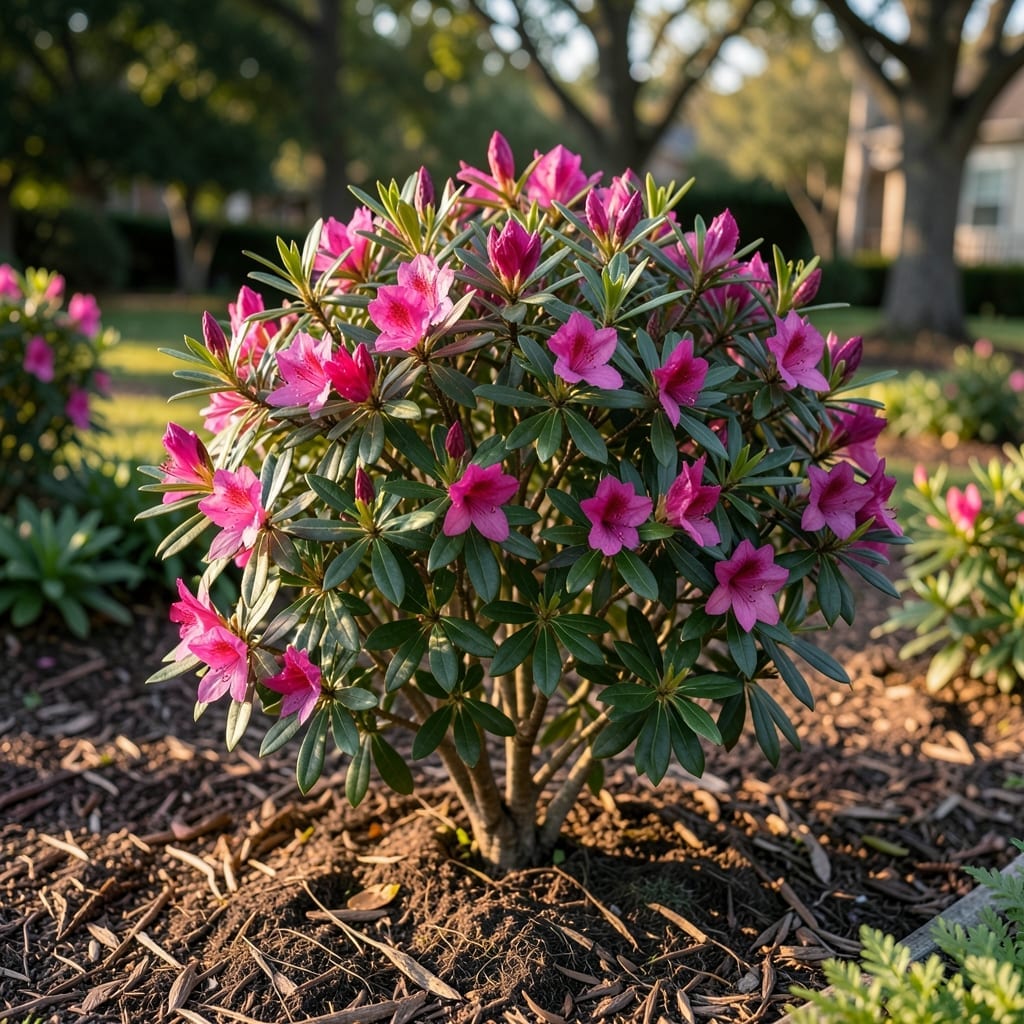
Azaleas bring vibrant color to gardens, but their mature size can surprise you. The 🌸 Azalea ranges from compact 2-3 ft dwarf varieties to impressive 6-8 ft shrubs, depending on the type you choose.
This variation means you can find the perfect fit for any landscape. Whether you have a small patio or a spacious yard, there’s an Azalea that will thrive in your space.
Let me walk you through the different sizes and how to choose the right one for your garden. You’ll be amazed at how versatile these beautiful plants can be.
Azaleas come in a surprising range of sizes, from tiny dwarf varieties to impressive large shrubs. This diversity lets you choose the perfect fit for any garden space, whether it’s a small patio or a sprawling landscape.
Understanding the mature size of each type helps you plan spacing, pruning, and overall garden design. Let me break down the most popular varieties and their typical dimensions.
| Variety | Mature Height | Mature Width | Notes |
|---|---|---|---|
| Dwarf | 2-3 ft | 2-3 ft | Ideal for containers, borders |
| Semi-Dwarf | 3-5 ft | 3-5 ft | Great for small gardens |
| Standard | 6-8 ft | 6-8 ft | Perfect for hedges, foundations |
| Native | 8-12 ft | 6-10 ft | Tall, deciduous types |
Dwarf azaleas like the ‘Hino Crimson’ stay compact at 2-3 feet tall and wide. They’re perfect for small spaces, containers, or edging along pathways.
Semi-dwarf varieties such as ‘Girard’s Hot Shot’ reach 3-5 feet in both height and width. These work well in mass plantings or as low hedges.
Standard azaleas like the popular ‘Formosa’ can grow 6-8 feet tall and wide. They’re ideal for creating privacy screens or filling large foundation plantings.
Native azaleas, including Rhododendron arborescens, can soar to 8-12 feet tall with a 6-10 foot spread. These deciduous types offer a more natural, woodland look.
Remember that these are mature sizes, which azaleas typically reach after 5-10 years of growth. The actual size may vary based on your specific growing conditions and care practices.
For the most accurate sizing, always check the plant tag or nursery information for your specific variety. This ensures you’re planting at the right spacing for your landscape design.
In my experience, giving azaleas enough room to grow to their mature size results in healthier plants with more abundant blooms. Crowding them can lead to disease and reduced flowering.
🌸Several key factors determine how big your azaleas will grow. From sunlight exposure to soil conditions, each element plays a role in their final size. Understanding these helps you create the ideal environment for your plants.
I’ve found that proper care can maximize growth while poor conditions may stunt development. Let’s explore the most important influences on azalea size.
Sunlight is perhaps the most critical factor. In my garden, azaleas in morning sun and afternoon shade consistently outperform those in full sun or deep shade. They grow fuller and produce more blooms.
Soil quality also makes a big difference. Azaleas in well-draining, acidic soil with plenty of organic matter tend to reach their maximum size faster. I always mix in compost when planting new azaleas.
Pruning helps control size and shape. I prune my azaleas right after they finish blooming, which gives them plenty of time to set buds for next year while keeping them at my desired height.
Climate affects growth rate and final size. In warmer zones, azaleas may grow larger and faster. In cooler areas, they might stay smaller but can still thrive with proper care.
🌸