
Beautiful Plants For Your Interior
Beautiful Plants For Your Interior
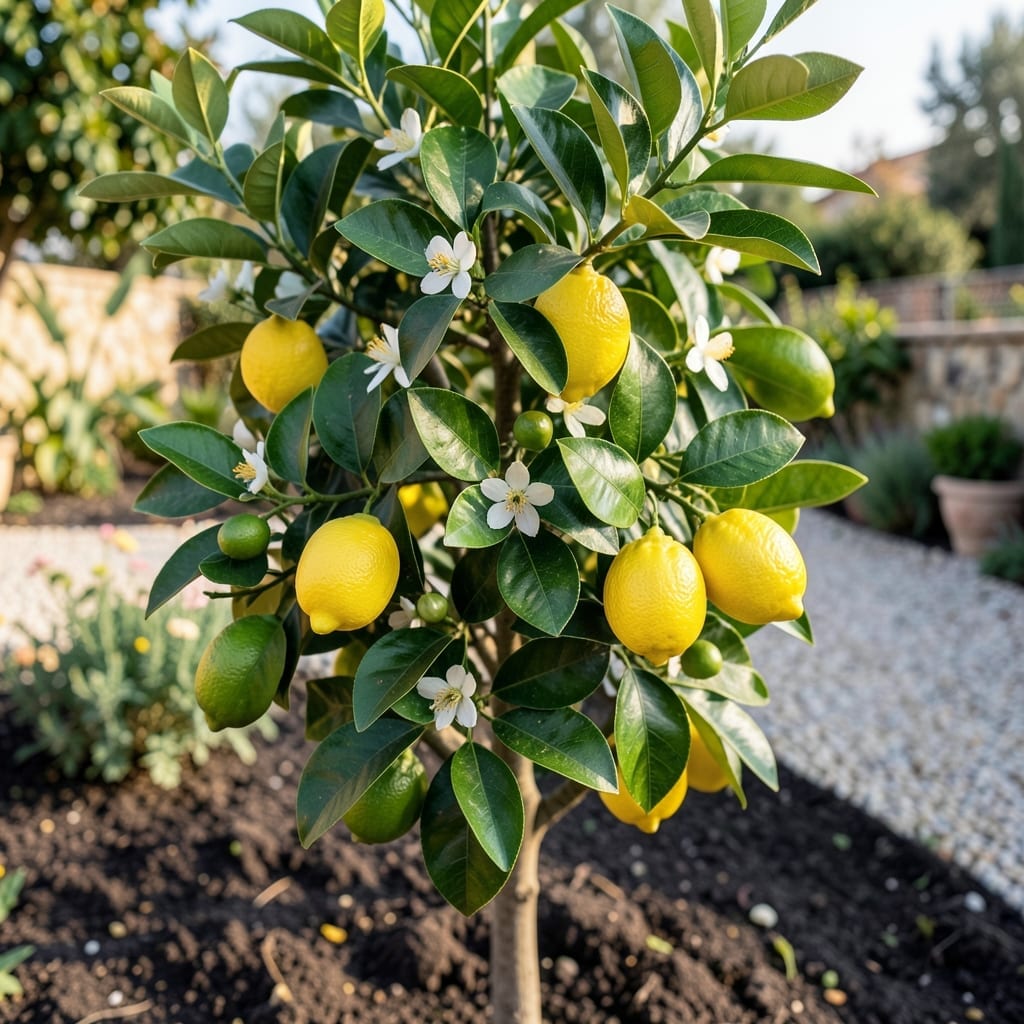
From tiny backyard trees to sprawling orchards, the 🍋 Lemon can surprise you with its size range. What starts as a small, green fruit can transform into something much larger than you might expect.
I remember the first time I saw a fully mature Lemon – it was nearly the size of my palm. That moment changed how I thought about homegrown citrus possibilities.
What determines whether your Lemons will be modest or massive? The answer lies in a mix of variety, care, and growing conditions. Some factors you control, others are nature’s doing.
Discover what influences Lemon size and how to coax the biggest harvest from your tree. The difference between average and impressive often comes down to a few simple practices.
If you’ve ever wondered how big can lemons get, the answer depends largely on the variety. Lemon trees produce fruit ranging from small lime-sized to large grapefruit-sized specimens. Each cultivar has its own signature size and shape, making identification easier for gardeners.
Popular varieties like Eureka and Lisbon typically yield medium-sized lemons, while Meyer lemons tend to be smaller. Understanding these differences helps you choose the right tree for your garden goals.
| Variety | Diameter | Weight | Shape |
|---|---|---|---|
| Eureka | 2.5-3.5 inches | 4-6 oz | Oval |
| Meyer | 2-3 inches | 3-5 oz | Round |
| Lisbon | 2.75-3.75 inches | 5-7 oz | Oval |
| Femminello | 3-4 inches | 6-8 oz | Elongated |
The Eureka lemon is one of the most common varieties in home gardens, producing medium to large fruit with a classic oval shape. These lemons typically measure 2.5 to 3.5 inches in diameter and weigh between 4 to 6 ounces when fully ripe.
Meyer lemons are a favorite for container gardening due to their compact size and sweeter flavor. They usually reach about 2 to 3 inches in diameter and weigh 3 to 5 ounces. Their rounder shape distinguishes them from other varieties.
The Lisbon lemon is another popular choice, similar in size to Eureka but with a slightly thicker rind. These lemons generally measure 2.75 to 3.75 inches across and weigh 5 to 7 ounces. They’re often used commercially for their hardiness.
For those seeking larger lemons, the Femminello variety can produce fruit up to 4 inches in diameter and 8 ounces in weight. These Italian lemons are prized for their juicy, elongated shape and are a great choice for gardeners with space to grow.
Size isn’t just about variety—growing conditions play a huge role too. With the right care, even smaller varieties like Meyer can produce maximum-sized fruit for their type. I’ve seen Meyer lemons push the upper limits of their range with ideal watering and sunlight.
Remember, these sizes are averages. Your lemons might be slightly smaller or larger depending on your tree’s health and environmental factors. Providing consistent care will help your tree produce fruit at the higher end of its size range. 🌳
If you’ve ever wondered how big can lemons get in your backyard, the answer depends on several key factors. Soil quality plays a huge role, as nutrient-rich, well-draining soil supports larger fruit development. I always recommend testing and amending your soil before planting.
Another critical factor is watering consistency. Lemons need deep, regular watering—especially during fruit formation—but be careful not to oversaturate. Drought stress can lead to smaller lemons, while overwatering may cause drop-off or poor quality.
Sunlight exposure is non-negotiable for maximum size. Your lemon tree needs at least 6 hours of direct sunlight daily. I’ve seen trees in partial shade produce significantly smaller fruit, sometimes half the size of sun-drenched counterparts.
Pruning techniques also impact fruit size. By removing excess branches, you allow the tree to direct more energy to fewer lemons, resulting in larger, juicier fruit. I prune my trees in late winter to shape them before spring growth.
Climate conditions can’t be overlooked. In warmer zones (9-11), lemons thrive and often grow larger. Cooler climates may require container growing or greenhouse protection to achieve optimal size. Even in ideal zones, frost protection is crucial.
Finally, variety selection matters. Some cultivars like Meyer lemons naturally produce smaller fruit, while Eureka lemons tend to grow larger. Choose varieties suited to your climate and space for the best results. ☀️