
Beautiful Plants For Your Interior
Beautiful Plants For Your Interior
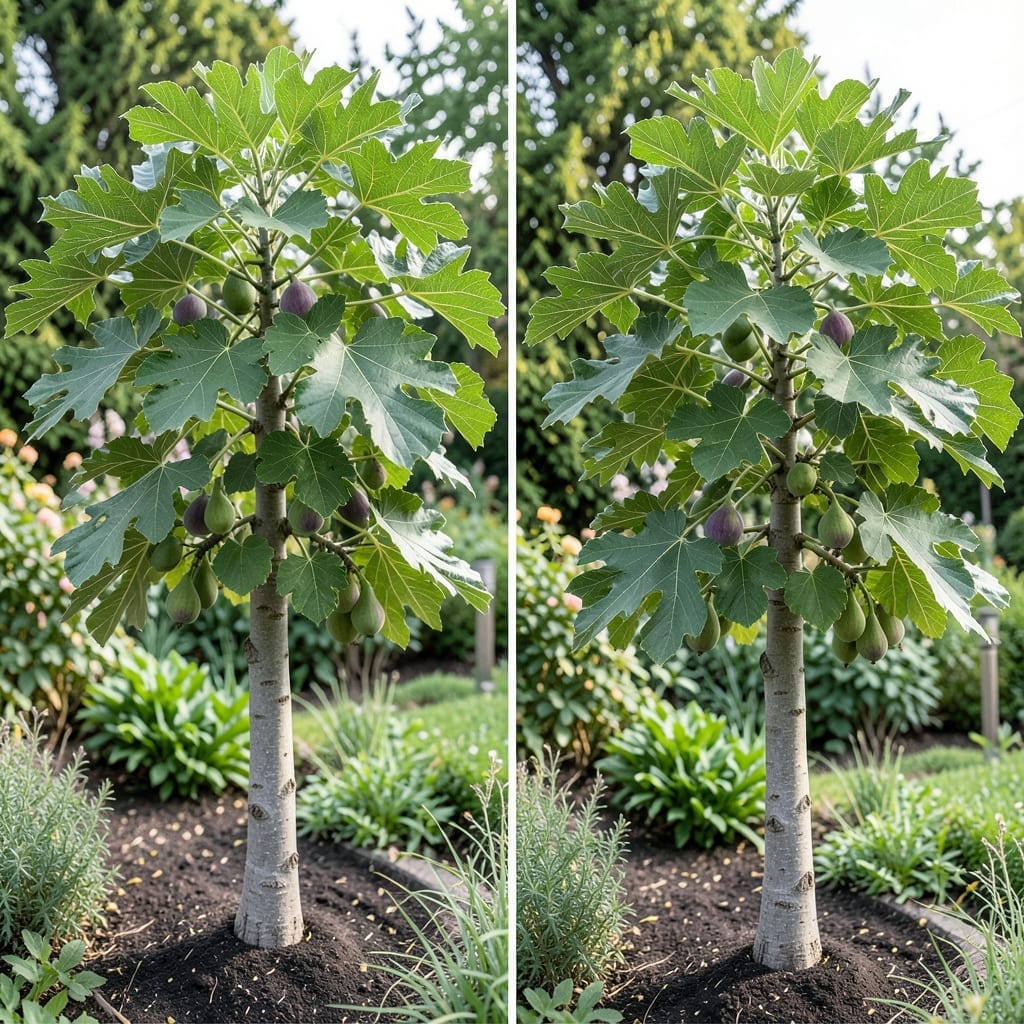
Fig trees are a rewarding addition to any garden, but their mature size can surprise unprepared growers. The 🌳 Fig Tree is more than just a fruit producer—it’s a statement piece for your landscape.
Understanding how big these trees get is crucial for proper spacing and long-term planning. Without this knowledge, you might end up with overcrowded plants or wasted space.
From standard varieties reaching 30 feet to compact dwarf types, there’s a fig tree for every garden size. I’ll help you choose the right one for your space.
Discover how to plan for your Fig Tree’s growth and create a thriving garden layout that works for years to come.
When planning your garden, knowing the mature size of fig trees is essential. Standard varieties like Brown Turkey or Celeste can reach 15-30 feet tall with a similar spread.
Dwarf and semi-dwarf types, such as Chicago Hardy, stay more compact at 8-18 feet. This makes them ideal for smaller spaces or container growing.
| Variety | Mature Height | Mature Spread |
|---|---|---|
| Brown Turkey | 15-25 ft | 15-25 ft |
| Celeste | 15-30 ft | 15-30 ft |
| Chicago Hardy | 8-12 ft | 8-12 ft |
| Little Miss Figgy | 4-6 ft | 4-6 ft |
I always recommend checking the specific variety you’re planting, as sizes can vary. Standard fig trees often grow 1-2 feet per year once established.
For container growing, choose dwarf varieties to keep them manageable. Pruning regularly also helps control size in any fig tree.
The root system can spread as wide as the tree’s canopy, so give them plenty of space to avoid competition with other plants.
Spacing recommendations vary: 15-20 feet apart for standard types, while dwarf varieties can be planted 8-10 feet apart.
If you’re planting near structures, remember that mature fig trees can have invasive roots. Keep them at least 10 feet away from buildings or driveways.
In my experience, Chicago Hardy is a great choice for colder climates and smaller gardens. It’s both cold-hardy and compact.
For those with limited space, dwarf varieties like Little Miss Figgy are perfect. They thrive in containers and still produce delicious fruit.
Several key factors determine how big your fig tree will grow. Climate conditions play a huge role, with warmer zones producing larger trees. Soil quality also matters—a rich, well-draining soil encourages robust growth.
Pruning practices can limit or encourage size. Regular trimming keeps trees smaller, while minimal pruning allows natural expansion. Water availability is equally important, as consistent moisture supports healthy development.
Growing in containers naturally restricts size, making it ideal for small spaces. In-ground trees have more room to expand, potentially reaching 30 feet tall in optimal conditions.
For smaller gardens, I recommend dwarf varieties or using root restriction techniques. These methods help manage size without sacrificing fruit production.
Remember, even compact fig trees need space for air circulation. Crowding can lead to disease and reduced yields, so plan accordingly.
With proper care and size management, you can enjoy figs in nearly any garden setting. The key is understanding your tree’s needs and growth potential. 🌳