
Beautiful Plants For Your Interior
Beautiful Plants For Your Interior
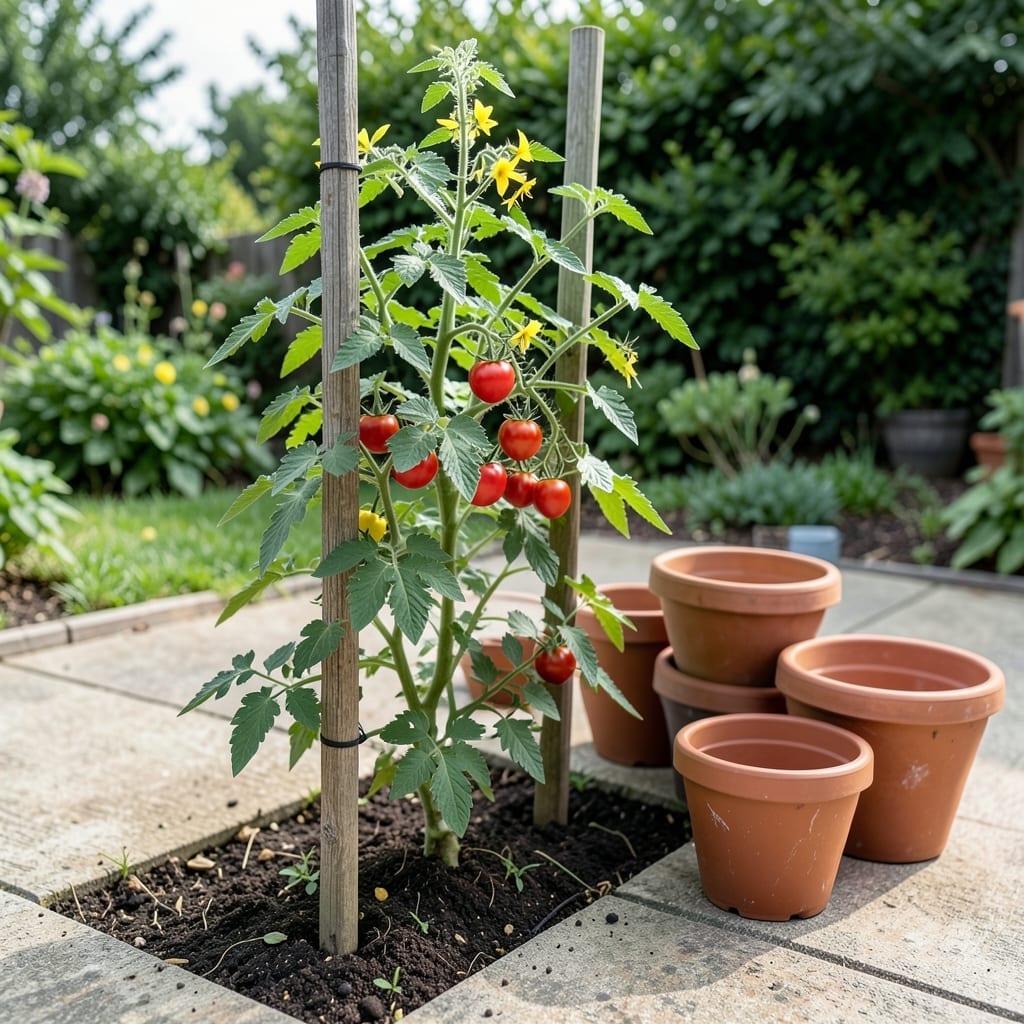
Choosing the right pot size for your 🍅 Tomato can mean the difference between a thriving harvest and a struggling plant. Get the dimensions wrong, and you risk stunted growth or poor yields.
I’ve seen firsthand how the proper container transforms a Tomato‘s health. It’s not just about fitting the plant – it’s about giving roots room to stretch and access to essential nutrients.
Discover the exact pot sizes that work best for different varieties. Whether you’re growing compact bushes or towering vines, the right container makes all the difference for your harvest.
I always tell gardeners that container size is the secret to healthy tomato plants. Too small, and your plant struggles. Too large, and you waste space and soil. The perfect pot balances root room with practicality for your space.
Different tomato varieties have unique needs. Dwarf tomatoes thrive in 1-gallon pots, while indeterminate varieties demand 5-gallon containers or more for their sprawling growth habit. Always match the pot to the plant’s mature size.
| Variety | Minimum Pot Size | Mature Height |
|---|---|---|
| Dwarf (Tiny Tim, Patio) | 1-2 gallons | 2-3 ft |
| Determinate (Bush, Roma) | 3-5 gallons | 3-4 ft |
| Indeterminate (Beefsteak, Cherry) | 5+ gallons | 6-10 ft |
| Heirloom (Brandywine) | 7-10 gallons | 8-12 ft |
Indeterminate tomatoes are the most demanding. These vining plants can grow 10 feet tall in ideal conditions. I recommend 5-gallon pots as the absolute minimum, but 7-10 gallons will give you the best results with larger yields.
For determinate tomatoes, which stay compact, a 3-5 gallon pot works well. These bush-type plants stop growing at a certain height, making them perfect for container gardening on patios or balconies.
Dwarf varieties are the most space-efficient. These tiny plants do surprisingly well in 1-2 gallon pots. But don’t let their size fool you—they still need good drainage and quality potting mix to thrive.
I’ve found that heirloom tomatoes, while rewarding, need the most space. Their extensive root systems and large fruit require at least a 7-gallon container. Anything smaller, and you’ll see reduced fruit size and lower yields.
Remember, depth matters as much as width. Tomato roots can grow 12-18 inches deep. Choose pots that are at least 12 inches deep for most varieties. Shallow containers lead to root binding and stunted growth.
For container material, I prefer fabric pots or plastic with drainage holes. These prevent waterlogging while allowing roots to breathe. Avoid metal containers as they can overheat in direct sun.
Finally, always use a well-draining potting mix designed for vegetables. Garden soil is too dense for containers and can suffocate roots. Mix in some compost for added nutrients and perlite for better drainage 🌱
Even with the best planning, your tomato plant might outgrow its home. I’ve learned to watch for tell-tale signs that indicate it’s time to upsize the container. Catching these early prevents stress and keeps growth on track.
The most obvious sign is roots circling the bottom or poking through drainage holes. This means your plant is root-bound and desperate for more space. Also, look for yellowing leaves or stunted growth, which often signal nutrient deficiencies from cramped roots.
⚠️ Warning: If you see roots growing out of the drainage holes or soil drying out within hours of watering, your tomato needs a bigger pot immediately to avoid permanent damage.
Another red flag is slow growth despite proper care. If your plant isn’t responding to regular watering and fertilizing, the roots may be too restricted to absorb nutrients efficiently. Wilting in hot weather is normal, but if it happens daily, consider upsizing.
When moving to a larger container, choose one that’s only 2-3 inches wider in diameter. Too big a jump can shock the plant and lead to overwatering issues. Gently loosen the root ball before replanting to encourage outward growth.
I always water my tomatoes thoroughly after repotting and place them in partial shade for a day or two. This reduces transplant shock and gives the roots time to adjust. Avoid fertilizing for 1-2 weeks to prevent burning tender new roots.
Remember, prevention is easier than correction. Start with the largest pot you can accommodate for your variety. This saves you the hassle of repotting later and ensures your tomato plant has room to thrive from the start 🪴