
Beautiful Plants For Your Interior
Beautiful Plants For Your Interior
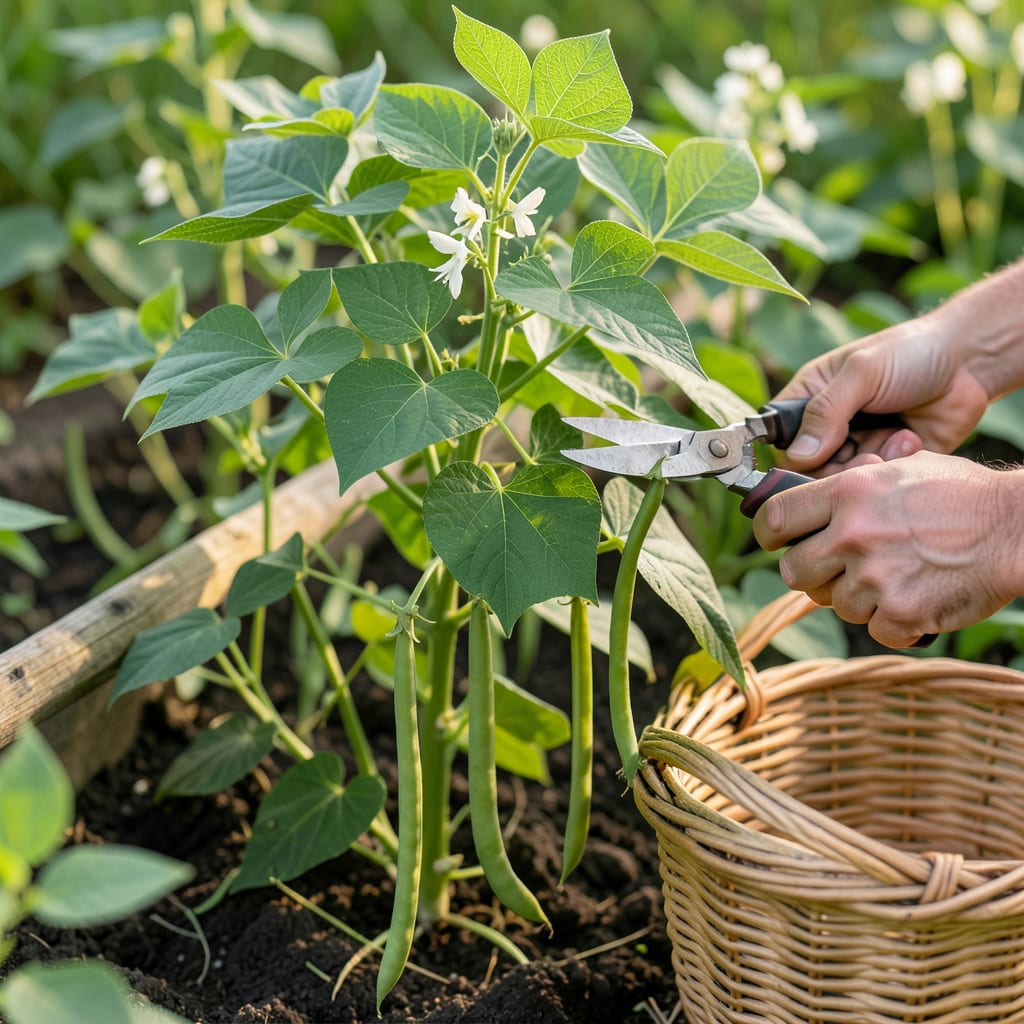
There’s nothing quite like the taste of freshly picked Green Bean 🌱 from your own garden. But knowing when and how to harvest can make all the difference in flavor and plant health.
I’ll walk you through the easiest way to hand-pick your crop for maximum freshness without harming your plants. Let’s get started.
Harvesting green beans at the perfect time ensures the best flavor and texture. I always check my plants in the early morning when the pods are crisp and full of moisture.
Hand-picking is the gentlest method and encourages continuous production. With the right technique, you can enjoy a bountiful harvest without damaging your plants. Here’s how I do it.
I start by inspecting each pod closely. The ideal size is 4-6 inches long, and they should feel smooth and firm to the touch. Smaller pods are fine, but larger ones may be tough.
When I’m ready to pick, I use my dominant hand to hold the pod and my other hand to steady the plant. This prevents the vine from being pulled or damaged during the process.
The key is to pull downward with a slight twist. This motion helps the pod detach cleanly from the plant. If the pod resists, I use sharp scissors to snip it off carefully.
I always check my plants every 2-3 days during peak season. Green beans grow quickly, and frequent harvesting stimulates more production. Missing a harvest can lead to overripe pods that are tough and stringy.
After picking, I inspect the plant for any signs of stress or damage. Healthy plants will continue to produce new pods as long as they are well-cared for. I also
One tip I’ve learned is to harvest in the morning. The pods are at their crispest after a cool night, and the plants are less likely to be stressed by heat.
By following these steps, I ensure my green bean plants stay productive and healthy throughout the growing season. It’s a simple process, but doing it correctly makes all the difference. ✂️
Timing is everything when harvesting green beans. Picking too early means small, underdeveloped pods, while waiting too long results in tough, stringy beans. I look for clear visual and tactile signs.
My plants tell me they’re ready when the pods reach 4-6 inches and feel firm and crisp. The color should be vibrant and consistent, whether green, yellow, or purple depending on the variety.
| Sign | Description |
|---|---|
| Size | Pods are 4-6 inches long |
| Texture | Firm and crisp to touch |
| Snap Test | Pods break cleanly when bent |
| Color | Bright and uniform hue |
The snap test is my favorite check. I gently bend a pod—if it snaps cleanly with a sharp sound, it’s perfect. If it bends without breaking, it needs more time to mature.
I also avoid pods with visible seed bulges, as these are overmature and will be tough and starchy. The seeds inside should be tiny and barely noticeable for the best eating quality.
For bush beans, I check the lower pods first, as these mature before the upper ones. With pole beans, I scan the entire vine since pods develop at different heights.
Consistent checking is key. I walk through my garden every 2-3 days during peak season. Green beans grow incredibly fast, and missing just one harvest window can reduce overall yield. 🌱
Even experienced gardeners can make simple errors when harvesting green beans. I’ve learned the hard way that timing and technique matter just as much as plant care. Avoiding these mistakes keeps my plants healthy and productive.
One of the biggest mistakes is waiting too long to pick. Overripe pods become tough and stringy, and the plant may stop producing new beans if it senses the seeds are maturing.
Picking too early: Pods won’t reach full flavor or size.
Using dull tools: Can crush stems and harm the plant.
Pulling too hard: May uproot the plant or damage vines.
Neglecting post-harvest care: Plants need water and support after picking.
Another common issue is using dull tools. I always keep sharp scissors or pruners handy for stubborn pods. Dull blades crush stems, which can invite disease and slow down future growth.
I also avoid pulling pods upward. This can damage the vine or even uproot the plant. Instead, I pull downward with a twist or use scissors for a clean cut. This keeps the plant intact and encourages more pods to grow.
Finally, I never forget post-harvest care. After picking, I give my plants a deep watering and check for any signs of stress. Healthy plants rewarded with proper care will keep producing fresh beans all season long. ✂️
Early morning is ideal when pods are crisp and full of moisture. The cool night temperatures keep them fresh and firm.
Inspect every 2-3 days during peak season. Green beans grow quickly, and frequent checking ensures you catch them at the perfect stage.
Yes, but only sharp scissors or pruners to avoid crushing stems. Use tools for stubborn pods, but hand-picking is gentler for most.
Pods become tough and stringy, and the plant may stop producing new beans. Overripe beans also have visible seed bulges and poor flavor.
