
Beautiful Plants For Your Interior
Beautiful Plants For Your Interior
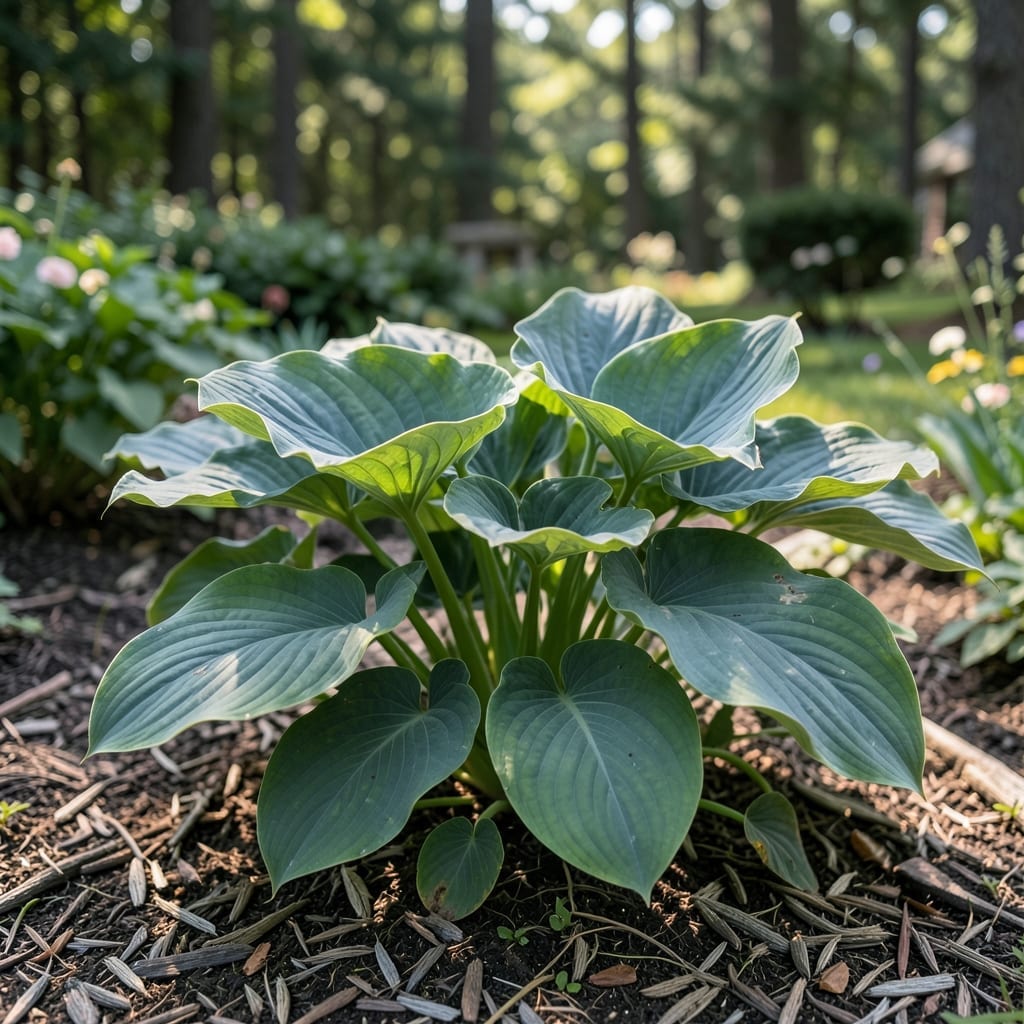
Hosta plants are the darlings of shade gardens, but their light needs often spark confusion. Understanding whether 🌿 hostas thrive in sun or shade is key to unlocking their full, lush potential.
Many gardeners assume these leafy beauties can’t handle any sunlight, but that’s not the whole story. The truth is more nuanced and depends on the specific variety you’re growing.
Discover how to create the perfect light conditions for your hostas to flourish. With the right approach, you’ll enjoy vibrant foliage that becomes the envy of your neighborhood.
 Best Window Placement
If you’ve ever wondered whether hosta plants belong in sun or shade, you’re not alone. Most gardeners immediately think full shade, but these adaptable perennials have more flexibility than you might expect.
The majority of hosta varieties do best with partial to full shade, typically thriving with just 2-4 hours of morning sunlight. This mimics their natural forest floor habitat.
| Light Requirement | Specification |
| Ideal | Partial Shade |
| Minimum | Full Shade |
| Maximum | Morning Sun |
| Sun-Tolerant Varieties | Blue Angel, Sun Power |
Too much direct afternoon sun can scorch those beautiful leaves, causing brown edges or bleached spots. I’ve seen this happen in my own garden when I pushed the limits with a sun-loving variety.
However, some modern hosta cultivars have been bred for better sun tolerance. Varieties like Sun Power or Blue Angel can handle more sunlight if given consistent moisture.
The key is understanding that shade tolerance varies by variety. Blue hostas generally need more shade to maintain their color, while gold or yellow varieties often perform better with a bit more light.
In my experience, the best approach is to start with morning sun and afternoon shade. This gives your hostas the light they need for photosynthesis without the harsh midday rays that can damage foliage.
Remember that soil moisture plays a big role too. Hostas in sunnier spots will need more frequent watering to prevent stress. I always check the soil before noon on hot days.
If you’re unsure about your garden’s light, try this: place a white paper where you want to plant. If it casts a distinct shadow for most of the day, that spot gets full sun.
A faint shadow means partial shade, while no shadow indicates full shade—perfect for most hostas 🌿
Not all hosta plants are created equal when it comes to light needs. While most prefer shade, some varieties can handle more sun if given the right conditions.
I’ve tested numerous cultivars in my garden and found that blue hostas like Halcyon thrive in deep shade, while golden varieties such as August Moon perform best with a bit of morning sun.
| Variety | Light Tolerance | Care Tip |
| Blue Angel | Partial Sun | Keep soil moist |
| Halcyon | Full Shade | Protect from sun |
| Sun Power | Full Sun | Water frequently |
| August Moon | Partial Shade | Morning sun ideal |
For full sun locations, Sun Power is my top pick. Its thick leaves resist scorching better than most, but it demands consistent watering to stay vibrant.
Partial shade lovers like Francee or Patriot do well under tree canopies where they get dappled light throughout the day. These are perfect for woodland gardens.
If your garden has deep shade, stick with blue or green hostas. Varieties like Elegans maintain their rich color even in low light, though they may grow more slowly.
I always recommend testing new varieties in different spots. Move pots around during the season to see where they thrive. This hands-on approach helps me fine-tune my garden’s layout 🌿