
Beautiful Plants For Your Interior
Beautiful Plants For Your Interior
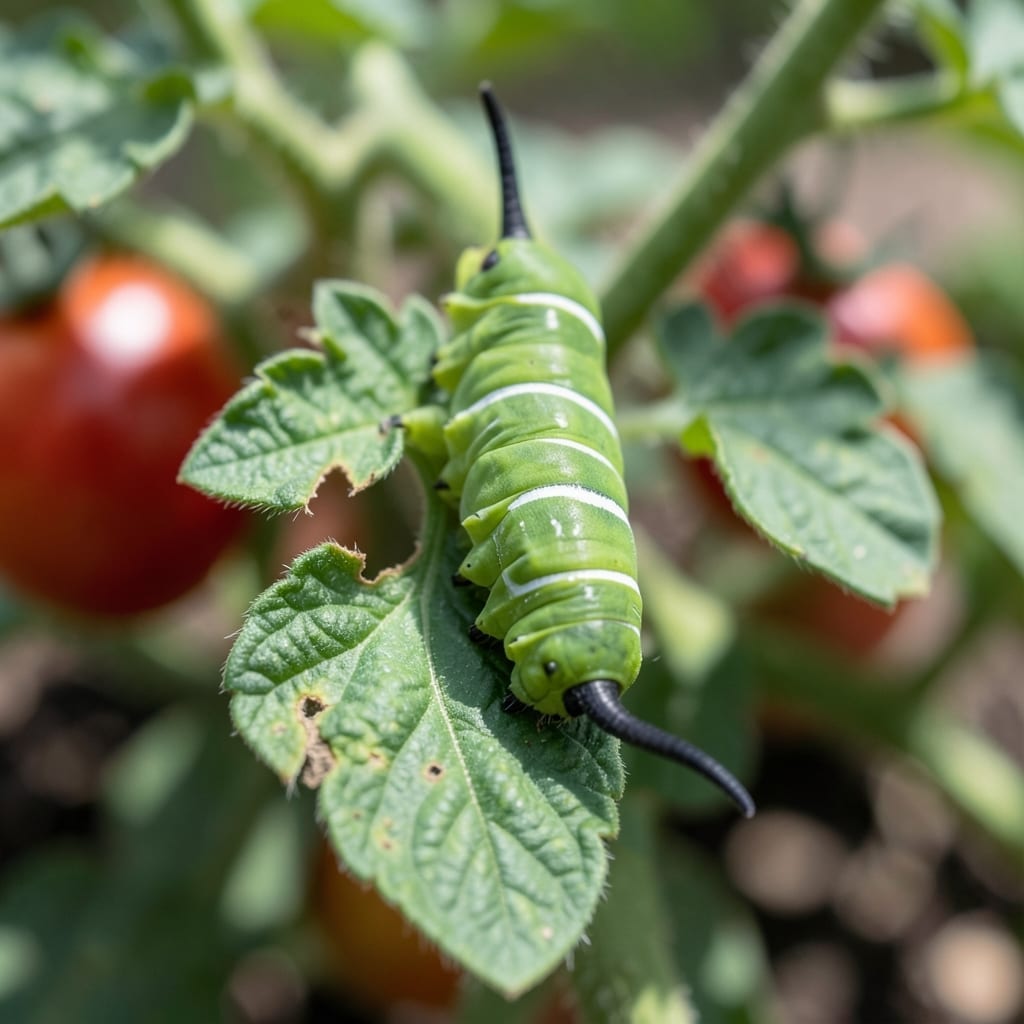
I found my first hornworm damage on a Tuesday morning. Overnight, 3 tomato plants had been stripped of leaves, with only stubby stems remaining. The culprit is surprisingly large and easy to spot if you know what to look for.
These caterpillars can eat 4x their body weight daily, leaving jagged holes and dark droppings as calling cards. Left unchecked, they’ll defoliate plants within 48 hours, moving on to fruits next.
Here’s the thing—handpicking works if you’re vigilant. Drop them in soapy water, or attract parasitic wasps that lay eggs in the worms. Both methods stop the damage without chemicals.
Prevention is simpler than you think. Plant basil or marigolds nearby, rotate crops yearly, and inspect leaves weekly. These steps keep your garden safe before the first bite appears.
Hornworms, particularly the Manduca sexta (tomato hornworm) and Manduca quinquemaculata (tobacco hornworm), may bite when they feel threatened. While their bites are rare and generally harmless, understanding why they occur can help you avoid them and protect your garden. Below are the primary reasons these caterpillars might bite:
Hornworms bite as a last-resort defense when they perceive a direct threat. Their first line of defense is camouflage—their green bodies blend seamlessly with foliage. If touched or provoked (e.g., when handling them during garden inspections), they may pinch with their mandibles. This is not an aggressive act but a reflexive attempt to deter predators, including humans.
Hornworms are voracious feeders, primarily targeting plants in the Solanaceae family like tomatoes, peppers, and eggplants. If your finger is mistaken for a leaf or stem while they’re eating, they may instinctively grip and bite. This is more likely when their food source is disturbed mid-meal.
Adult hornworm moths (sphinx moths) are not known to bite, but larvae may exhibit territorial behavior in crowded environments. In dense garden settings with limited food, hornworms might nip at intruders—including other larvae or gardeners—to secure their space. This is rare but can happen in heavily infested gardens.
Hornworms under stress—such as those infected by parasitic wasps (e.g., Cotesia congregata) or physically injured—may be more prone to biting. A wounded or dying hornworm might react defensively when touched, as its usual escape tactics (like dropping to the ground) are compromised.
While a hornworm bite is not venomous and typically feels like a mild pinch, it’s best to avoid handling them barehanded. Use gloves or a tool to relocate them if needed.
If you’ve spotted a hornworm bite on your garden plants, don’t panic—here’s how to tackle it effectively. Below are practical solutions mapped to common causes, along with prevention tips to keep your garden thriving.
Hornworms are large, green caterpillars that are easy to spot on leaves and stems. Solution: Wear gloves and manually remove them from your plants. Drop them into a bucket of soapy water to ensure they don’t return. Prevention tip: 💡 Inspect your plants daily, especially tomato, pepper, and eggplant leaves, where hornworms love to feed.
Encourage beneficial insects like parasitic wasps, ladybugs, and lacewings, which prey on hornworms. Solution: Plant companion flowers like marigolds, dill, or yarrow to attract these helpers. Avoid broad-spectrum pesticides, as they can harm these natural allies. Prevention tip: ✨ Create a pollinator-friendly garden to maintain a balanced ecosystem.
For a non-toxic approach, use neem oil or Bacillus thuringiensis (Bt). Solution: Mix neem oil with water and spray it on affected plants, focusing on the undersides of leaves. Bt is a bacteria that targets caterpillars without harming other insects. Prevention tip: 🌡️ Reapply sprays after rain or heavy watering for continued protection.
Hornworms overwinter in the soil, so planting the same crops in the same spot yearly can lead to reinfestation. Solution: Rotate vulnerable plants (like tomatoes and peppers) with non-host crops such as beans or lettuce. Prevention tip: 🎯 Plan your garden layout each season to disrupt the hornworm life cycle.
Physical barriers can prevent adult hornworm moths from laying eggs on your plants. Solution: Use lightweight row covers to shield young plants during peak moth activity (spring to early summer). Secure the edges to keep pests out. Prevention tip: ✨ Remove covers once plants start flowering to allow pollination.
It feels like a mild pinch, similar to a small paper cut. Their mandibles aren’t strong enough to break skin, so it’s more surprising than painful.
Look for large green caterpillars with white diagonal stripes and a horn-like protrusion. You’ll also notice jagged holes in leaves and dark droppings on foliage.
They may pinch if they feel threatened, but it’s rare. Wear gloves when handling them to avoid any surprise nips.
Their bites are harmless to humans and pets, but eating them could cause mild stomach upset. Supervise pets in gardens with known infestations.