
Beautiful Plants For Your Interior
Beautiful Plants For Your Interior
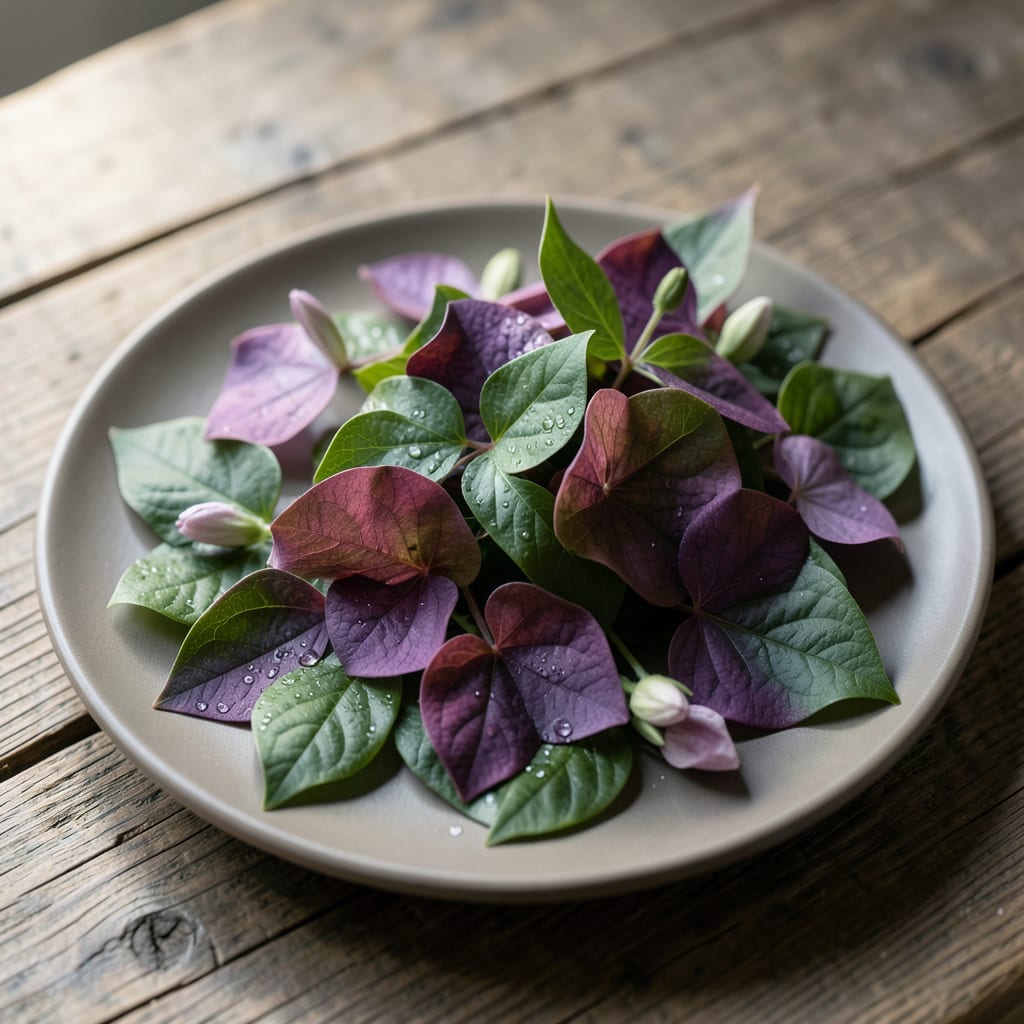
Purple leaves on your honeysuckle aren’t just pretty—they’re a red flag. I’ve seen this happen when plants scream for phosphorus or when soil pH goes off the rails.
The wrong pH locks up nutrients, even if they’re in the soil. A quick test kit reveals if your dirt’s too acidic or alkaline. Meanwhile, overwatering or compacted roots can mimic deficiency symptoms.
Fix it with a balanced fertilizer or sulfur to lower pH, and watch for recovery in 2-3 weeks. Prune affected leaves to redirect energy to healthy growth.
Prevention’s simpler than cure: test soil yearly, water deeply but less often, and mulch to keep roots happy. Your honeysuckle will thank you with lush green leaves.
Honeysuckle leaves turning purple often signal an underlying issue affecting the plant’s health. Below are the most common causes, explained with actionable insights.
Phosphorus is vital for energy transfer and root development. When soil lacks sufficient phosphorus, honeysuckle leaves may turn purple, especially on the undersides or along veins. This occurs because phosphorus supports chlorophyll production, and its absence disrupts normal green pigmentation. Test your soil with a kit—if phosphorus levels are below 10-15 ppm, amend with bone meal or a phosphorus-rich fertilizer.
Honeysuckle thrives in slightly acidic to neutral soil (pH 6.0–7.0). If the pH is too high (alkaline) or too low (acidic), nutrient uptake—including phosphorus—is hindered. Purple leaves can appear even if phosphorus is present but unavailable due to pH extremes. Conduct a soil pH test and adjust with lime (to raise pH) or sulfur (to lower pH) as needed.
Sudden temperature drops or prolonged exposure to near-freezing conditions can stress honeysuckle, leading to purple discoloration. This happens because cold inhibits phosphorus mobility within the plant. Protect plants with mulch or frost cloth during unexpected cold snaps.
Waterlogged soil suffocates roots, reducing their ability to absorb phosphorus. Purple leaves may develop as a result. Improve drainage by amending heavy clay soil with organic matter or ensuring containers have drainage holes.
If your honeysuckle leaves are turning purple, act quickly to restore their vibrant green. Below are targeted fixes for the most common causes, along with prevention tips to keep your plant thriving.
If soil tests confirm low phosphorus, amend the soil with bone meal or a balanced fertilizer high in phosphorus (look for an NPK ratio like 5-10-5). Work it into the top 2–3 inches of soil around the base, then water deeply. For a quick boost, use a liquid phosphorus supplement and follow the label instructions.
Prevention tip: 💡 Test your soil annually and replenish phosphorus before planting. Organic matter like compost also helps maintain nutrient balance.
Honeysuckles prefer slightly acidic to neutral soil (pH 6.0–7.0). If your soil is too alkaline (pH above 7.5), lower the pH by mixing in elemental sulfur or peat moss. For acidic soil (pH below 5.5), add lime to raise it. Always retest pH after amending and adjust gradually.
Prevention tip: 🎯 Use a soil pH meter to monitor levels regularly, especially after heavy rainfall or fertilization.
Purple leaves can signal cold damage, especially in early spring or late fall. Protect plants with mulch or frost cloth during unexpected cold snaps. If the damage is already done, prune affected leaves to encourage new, healthy growth.
Prevention tip: ✨ Plant honeysuckle in a sheltered spot or use container gardening to move pots indoors during extreme weather.
Soggy roots can restrict nutrient uptake, leading to discoloration. Improve drainage by amending heavy clay soil with sand or perlite. Ensure pots have drainage holes, and water only when the top inch of soil feels dry.
Prevention tip: 🌱 Raise garden beds or use containers if your soil retains too much moisture.
After addressing the issue, expect to see new green growth in 2-3 weeks. Existing purple leaves may not turn green again, but healthy new foliage will emerge.
Yes! Too much nitrogen can create imbalances that lead to phosphorus deficiency symptoms. Always follow package instructions and test soil before adding more.
Yes, prune affected leaves to help the plant focus energy on healthy growth. Use clean shears and cut at the base of the leaf stem.
No, nutrient deficiencies or pH issues aren’t contagious. However, poor soil conditions can affect multiple plants in the same area.
