
Beautiful Plants For Your Interior
Beautiful Plants For Your Interior
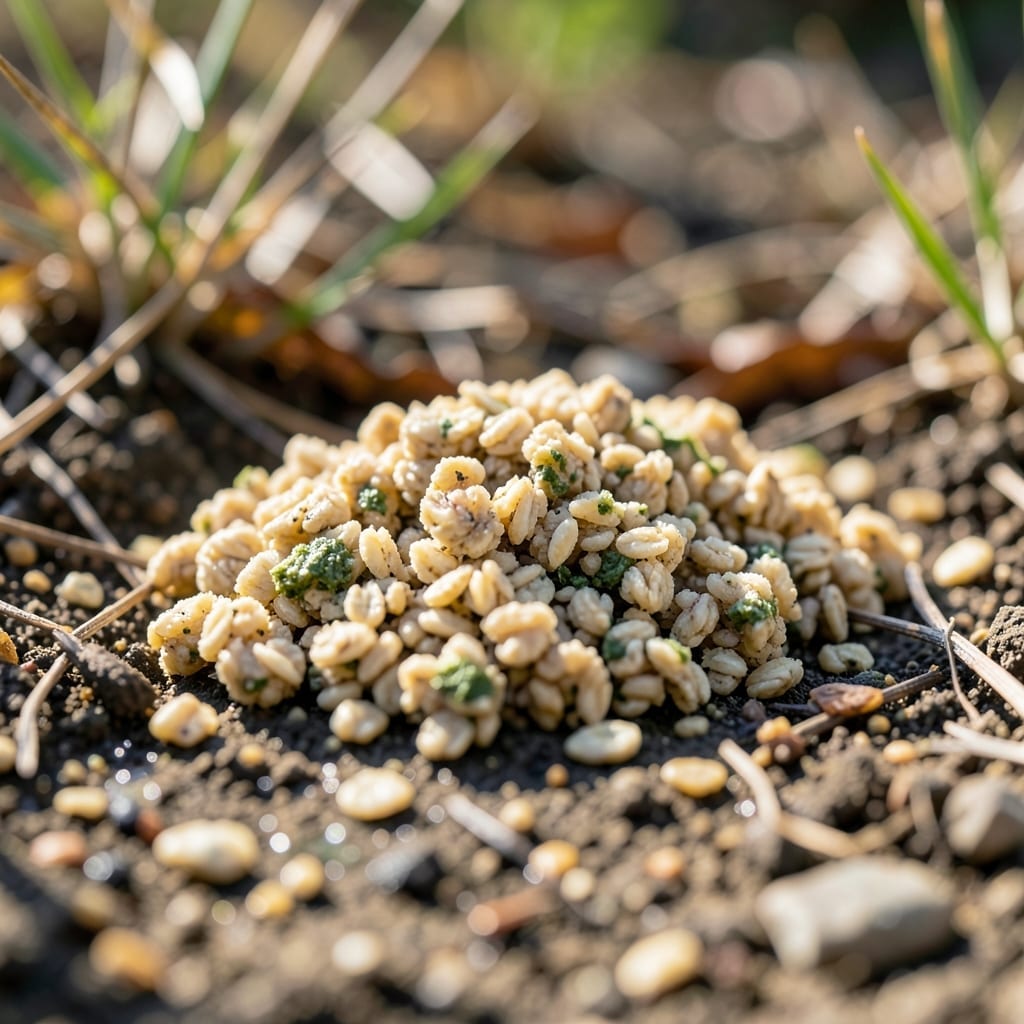
Ground squirrels can turn a thriving garden into a battleground overnight. I’ve tested countless deterrents, but the most reliable solution doesn’t involve harsh chemicals—just a simple homemade blend that targets them without harming other wildlife.
The method leverages ingredients you likely have on hand, creating a barrier they can’t ignore. Unlike commercial poisons, this approach keeps pets, birds, and beneficial insects safe while still delivering results within 48 hours.
You’ll notice the difference immediately: fewer burrows, less digging, and plants left untouched. The best part? It’s cost-effective, repeating the process costs pennies compared to store-bought alternatives.
Works in rural yards, vegetable patches, and even container gardens where squirrels dig. Here’s how to reclaim your space.
Ground squirrels often become a nuisance due to a mix of environmental and behavioral factors. Understanding these causes can help you address the root of the problem effectively.
Ground squirrels are drawn to areas with plentiful food, such as gardens, farms, or unsecured compost piles. They thrive on seeds, nuts, fruits, and even insects. If your property offers easy access to these, squirrels will likely settle in and multiply.
Loose, well-drained soil makes it easy for ground squirrels to dig extensive burrow systems. These tunnels provide shelter from predators and harsh weather. Properties with untended lawns, open fields, or loose topsoil are prime targets for burrowing.
In urban or suburban areas, natural predators like hawks, foxes, or snakes are often absent. Without these threats, ground squirrel populations can grow unchecked, leading to overpopulation and increased damage to landscapes.
Like all living creatures, ground squirrels need water to survive. Properties with leaky irrigation systems, standing water, or nearby streams attract them. Even small puddles can sustain a colony, making your yard a hotspot for activity.
Tall grass, weeds, and dense shrubs provide cover and protection for ground squirrels. These areas offer hiding spots from predators and humans, making it easier for them to forage and breed undisturbed.
Ground squirrels can be persistent pests, but there are practical, non-toxic solutions to keep them at bay without resorting to harmful homemade poisons. Below are targeted fixes for common causes of infestations, along with prevention tips to maintain a squirrel-free yard long-term.
Ground squirrels thrive in tall grass, weeds, and dense brush, which provide cover and nesting spots. Mow your lawn regularly and trim back overgrown areas to eliminate hiding places. Keep gardens and flower beds tidy, and remove piles of wood or debris where squirrels might burrow.
Squirrels are attracted to fallen fruit, birdseed, and unsecured trash. Pick up fallen nuts or fruit from trees daily, and use squirrel-proof bird feeders. Store pet food indoors and seal garbage bins tightly. Without a food source, they’ll be less likely to stick around.
If you spot burrow holes (usually 2-4 inches wide), act quickly. Fill holes with gravel or hardware cloth (buried at least 1 foot deep) to prevent re-entry. For existing tunnels, flood them with a garden hose to encourage squirrels to leave before sealing. Check for activity for a few days afterward—if the hole is reopened, try again or use a one-way exclusion device.
Certain scents repel ground squirrels without harm. Sprinkle cayenne pepper, crushed red pepper flakes, or predator urine (like coyote or fox) near burrows and garden perimeters. Reapply after rain. Planting mint, marigolds, or daffodils can also deter them naturally.
💡 Pro Prevention Tips:
Yes! The non-toxic approach uses natural repellents like cayenne pepper or predator urine, which are harmless to pets and kids. Just keep them away from treated areas until the scents dissipate.
Reapply every 3-5 days or after rain, as weather can wash away scents. Consistency is key for long-term effectiveness.
Check for new holes daily for 1 week. If they reappear, use hardware cloth buried 1 foot deep to block re-entry permanently.
No. Mothballs contain toxic chemicals harmful to pets, wildlife, and the environment. Stick to natural alternatives for safety.