
Beautiful Plants For Your Interior
Beautiful Plants For Your Interior
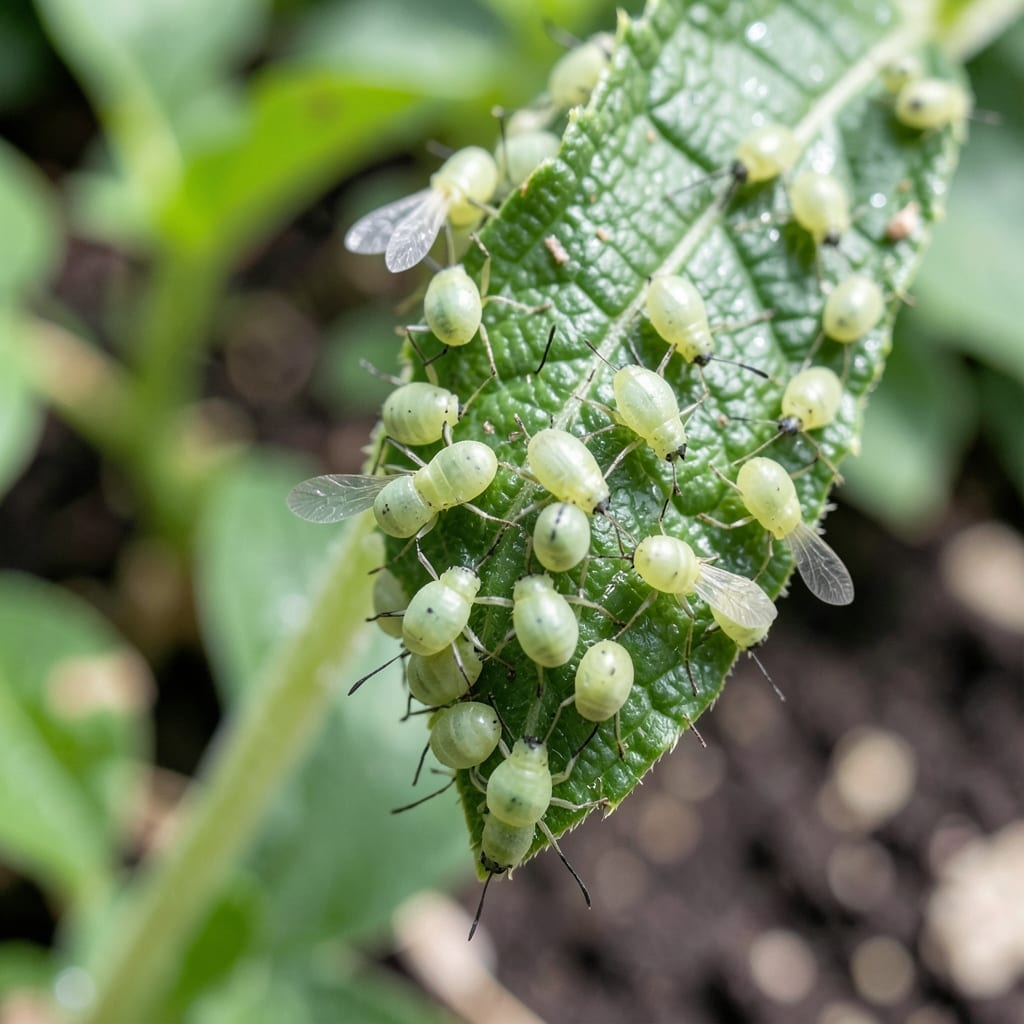
I spotted aphids on my roses last spring and panicked. Within 24 hours, a simple homemade spray had them under control without harsh chemicals.
This natural solution uses ingredients you already have in your kitchen. No fancy equipment, no waiting for shipments—just immediate action against those tiny green invaders.
Your plants will show visible improvement within 48 hours as the aphids disappear. The spray is gentle on foliage but deadly to pests.
Works for roses, vegetables, houseplants, and everything in between. No special skills required—just mix and spray.
Aphids don’t appear out of nowhere—they’re drawn to plants by specific conditions and vulnerabilities. Understanding these triggers helps you prevent infestations before they start.
Aphids thrive on plants with high nitrogen levels, as this promotes soft, succulent growth—their favorite food. Excess nitrogen (especially from synthetic fertilizers) creates an imbalance, weakening plant defenses and making them a magnet for these pests. Action: Use balanced, organic fertilizers and avoid overfeeding.
Both overwatering and underwatering stress plants, reducing their ability to fend off aphids. Overwatered plants develop weak cell walls, while drought-stressed plants produce stress compounds that attract pests. Action: Maintain consistent moisture—water deeply but infrequently, allowing soil to dry slightly between sessions.
Aphids multiply rapidly when their natural enemies—like ladybugs, lacewings, or parasitic wasps—are absent. Monoculture gardens (single plant types) or heavy pesticide use can disrupt these beneficial insect populations. Action: Plant pollinator-friendly flowers (e.g., marigolds, yarrow) and avoid broad-spectrum pesticides.
Aphids reproduce fastest in warm (60–80°F) and low-humidity environments. These conditions speed up their life cycle, leading to explosive population growth. Action: Use shade cloth in peak heat and mist plants to increase humidity, or introduce drought-tolerant species.
Tackling aphids doesn’t require harsh chemicals—simple, natural solutions can restore your garden’s health. Below are targeted fixes and prevention tips to keep these pests at bay.
Mix 1 tablespoon of mild liquid soap (like Castile) with 1 quart of water in a spray bottle. Shake well and apply directly to aphid clusters, focusing on the undersides of leaves. The soap disrupts their cell membranes, killing them on contact. Reapply every 2–3 days until the infestation clears.
Neem oil is a powerful natural insecticide. Combine 1 teaspoon of neem oil with 1 liter of water and a few drops of dish soap (to emulsify). Spray evenly over plants, especially new growth where aphids gather. Neem also deters future pests with its lingering bitter taste.
💡 Pro Tip: Apply in the early morning or late evening to avoid harming beneficial insects like bees.
Boil the peels of 2–3 citrus fruits (oranges, lemons) in 2 cups of water for 10 minutes. Strain, cool, and pour into a spray bottle. The limonene in citrus oils repels aphids while being safe for plants. Spray weekly for prevention.
Introduce natural predators like ladybugs, lacewings, or parasitic wasps. Purchase them from garden centers and release them near infested plants. One ladybug can eat up to 50 aphids a day! Avoid pesticides, which harm these helpful allies.
✨ Bonus: A strong blast of water from a hose can dislodge aphids from plants—just be gentle with delicate foliage!
Use the soapy water spray every 2-3 days until the aphids disappear. Reapply after rain or watering, as it washes away easily. Consistency is key to breaking their life cycle.
Neem oil is safe for most plants when properly diluted. Always do a patch test first and apply in early morning or evening to avoid leaf burn in direct sunlight.
Only mild, pure soaps like Castile work best. Avoid dish soaps with degreasers or additives, as they can damage plant foliage. 1 tablespoon per quart of water is the ideal ratio.
They’re attracted to stressed plants or gardens lacking natural predators. Improve plant health and introduce beneficial insects like ladybugs for long-term control.