
Beautiful Plants For Your Interior
Beautiful Plants For Your Interior
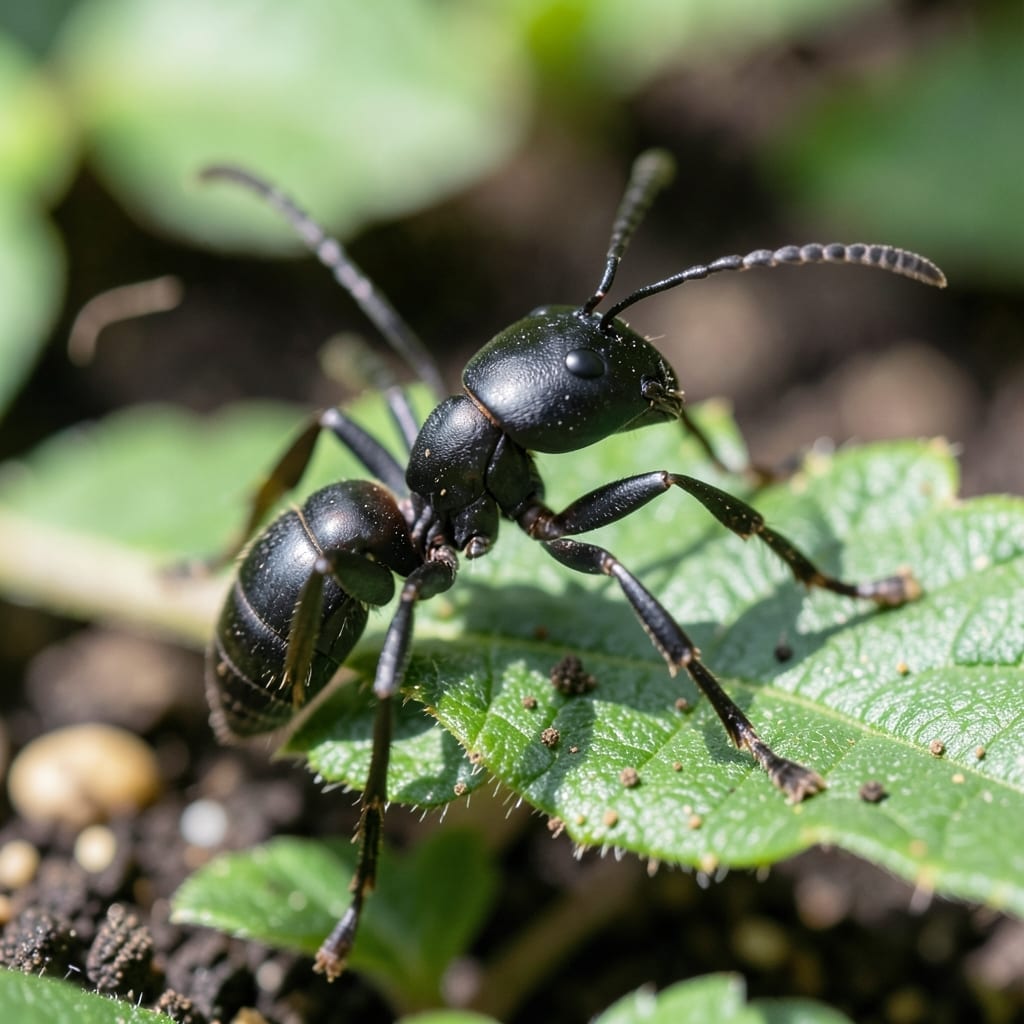
I first noticed the sawdust-like piles near my windowsill last spring. Tiny, silent invaders had moved in, and I knew I had to act fast without poisoning my home or garden.
Carpenter ants don’t eat wood—they excavate it, turning your home into their personal nesting site. The good news? You can evict them using items already in your kitchen. No harsh chemicals, no expensive treatments.
Within 48 hours of using the right natural remedies, you’ll see a dramatic drop in activity. The colony will start to collapse, and your home will stay ant-free without harming plants, pets, or people.
Works for indoor nests, outdoor infestations near structures, and even garden areas. Here’s how to reclaim your space.
Carpenter ants don’t just appear out of nowhere—they’re drawn to your home for specific, often preventable reasons. Understanding these triggers is the first step to evicting them for good. Here’s the science behind their invasion:
Carpenter ants thrive in damp wood, which is softer and easier to excavate for nesting. Leaky pipes, poor drainage, or condensation in basements and attics create the perfect humid environment. These ants don’t eat wood like termites—they remove it to build galleries, and moisture accelerates this process. Fixing leaks and improving ventilation can make your home far less appealing.
These ants are omnivorous scavengers, feeding on proteins (like dead insects or pet food) and sugars (fruit, syrup, or honeydew from aphids). Open trash cans, unsealed food, or even crumbs on countertops act like a buffet. A single foraging ant can leave a pheromone trail, leading an entire colony to your pantry. Eliminating food access disrupts their survival cycle.
Carpenter ants exploit tiny cracks in foundations, gaps around windows, or damaged roof shingles to enter. Unlike some pests, they don’t need large openings—a gap as small as 1/8 inch is enough. Sealing entry points with caulk or steel wool (which they can’t chew through) blocks their path. Regularly inspecting your home’s exterior is key to long-term prevention.
If your property has rotting tree stumps, firewood piles, or overgrown vegetation near the foundation, carpenter ants may already have a satellite colony nearby. These outdoor nests often expand indoors when conditions worsen (e.g., extreme heat or rain). Removing decaying wood and keeping foliage trimmed reduces the risk of indoor infestations.
Carpenter ants can wreak havoc on your home, but you can tackle them safely with these natural, chemical-free fixes. Below are targeted solutions based on the root cause, plus prevention tips to keep them from returning.
Carpenter ants thrive in wet wood. Fix leaks, improve ventilation in crawl spaces, and use a dehumidifier in damp areas like basements. Replace water-damaged wood promptly to remove their nesting sites.
Prevention tip: 💡 Regularly inspect pipes, roofs, and gutters for leaks or poor drainage.
Keep kitchens and dining areas spotless. Store food in airtight containers, wipe spills immediately, and take out trash frequently. Pet food bowls should also be cleaned and stored after use.
Prevention tip: 🎯 Avoid leaving ripe fruit or sugary substances exposed.
Inspect your home’s exterior for cracks, gaps, or damaged seals around windows and doors. Use caulk or weatherstripping to seal entry points. Trim tree branches and shrubs touching your house to cut off their access routes.
Prevention tip: ✨ Apply a thin layer of diatomaceous earth (food-grade) along entry points—it dehydrates ants naturally.
Locate nests (often in wood) and apply borax mixed with sugar water (1:1 ratio) as bait. The ants carry the mixture back to the colony, effectively eliminating it. For visible trails, spray a vinegar-water solution (1:1) to disrupt their scent paths.
Prevention tip: 🌡️ Repeat bait treatments every few days until ant activity ceases.
Most natural treatments show results within 24-48 hours. Bait methods like borax may take 3-5 days to fully eliminate the colony as worker ants carry the poison back to the nest.
Yes, a 50-50 vinegar-water solution kills ants immediately upon contact. It also erases their scent trails, disrupting their navigation. Reapply every few hours for active infestations.
Food-grade diatomaceous earth is non-toxic but can irritate lungs if inhaled. Apply in thin layers in areas pets can’t access. Avoid the pool-grade version, which is hazardous.
You may be seeing new foragers from a satellite nest. Continue bait treatments for at least 1 week after activity stops to ensure the queen and all workers are eliminated.