
Beautiful Plants For Your Interior
Beautiful Plants For Your Interior
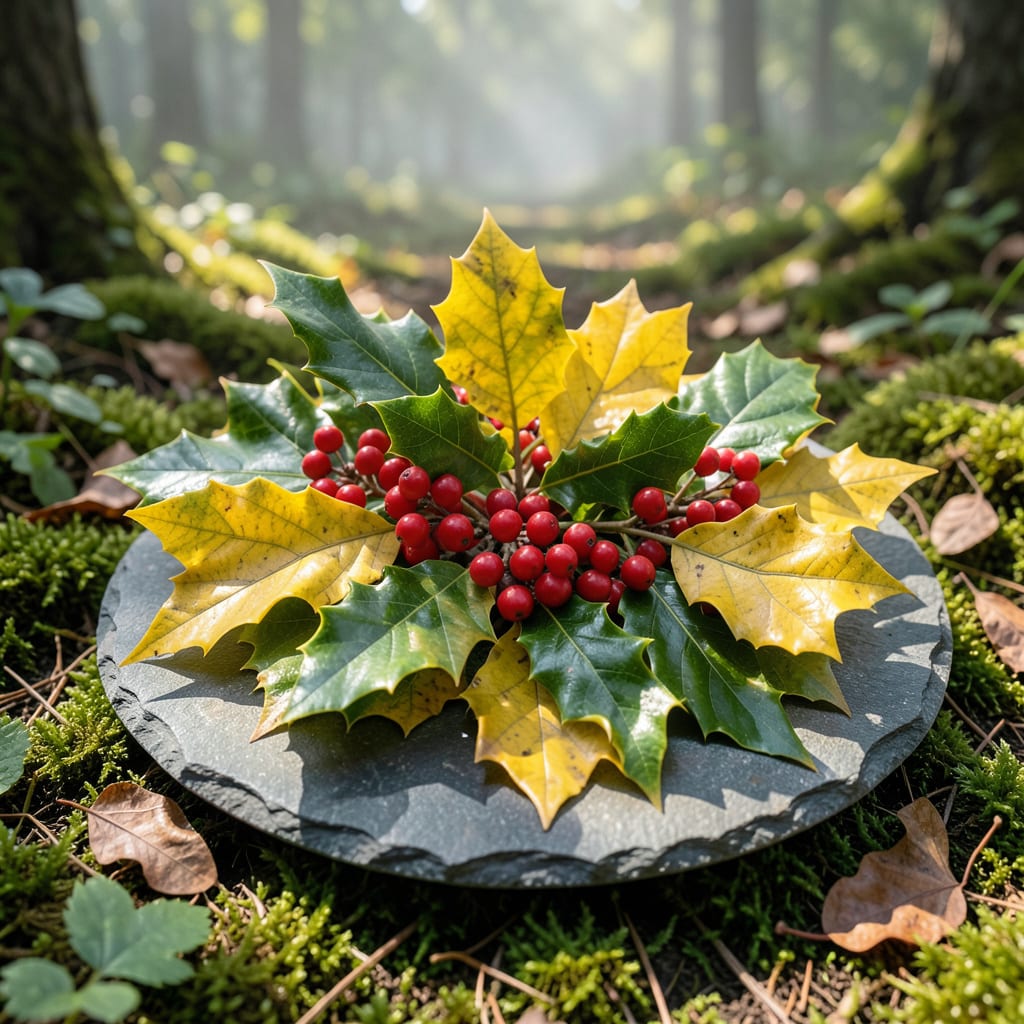
Yellow holly leaves hit me like a gut punch last spring. 🌿 Turns out, it’s usually iron deficiency or wrong soil pH—both fixable with the right approach.
I wasted months guessing before testing my soil. The solution often hides in plain sight: acidic conditions for iron uptake. Most holly varieties need soil pH between 4.5-6.0 to thrive.
Once you adjust the pH and add chelated iron, new growth returns to that deep, vibrant green within weeks. The transformation feels like bringing your plant back from the brink.
Works for established shrubs and new plantings alike. Here’s how to diagnose and treat it properly.
Holly leaves turning yellow often signal underlying issues that disrupt their vibrant green color. Below are the most common causes, explained with actionable insights.
Iron is critical for chlorophyll production, and its deficiency leads to interveinal chlorosis—yellowing between leaf veins while veins stay green. Holly plants, especially in alkaline soils (pH > 7.0), struggle to absorb iron even if it’s present. This is because high pH locks iron into insoluble forms. Test your soil pH—if it’s above 6.5, iron uptake is likely impaired.
Excess water suffocates roots, reducing their ability to absorb nutrients like iron and nitrogen. Waterlogged soil also fosters root rot, which further stresses the plant. Holly roots need oxygen to function, and soggy conditions disrupt this balance. Check drainage—if water pools around the base, amend the soil with organic matter or sand.
While iron deficiency is a primary culprit, other nutrient shortages (e.g., nitrogen, magnesium) or excesses (e.g., phosphorus) can also cause yellowing. For example, too much phosphorus can block iron absorption. Conduct a soil test to identify deficiencies or imbalances and adjust fertilization accordingly.
Pathogens like Phytophthora or Fusarium attack roots and stems, leading to yellowing leaves as the plant’s vascular system is compromised. These infections often thrive in wet, poorly drained soils. Inspect roots for dark, mushy spots and treat with fungicides if necessary.
Extreme heat, drought, or sudden temperature swings can stress holly plants, causing leaves to yellow and drop. Hollies prefer consistent moisture and partial shade in hot climates. Mulch around the base to retain soil moisture and regulate temperature.
If your holly leaves are turning yellow, the fix often starts with addressing the root cause. Here’s a practical guide to reviving your plant, tailored to the most common issues:
Holly plants need iron to stay lush and green. If the soil is alkaline (pH above 7), iron becomes unavailable, leading to yellowing leaves with green veins (interveinal chlorosis).
Holly thrives in acidic soil. If your soil is too alkaline, nutrients like iron and manganese get locked out.
Yellow leaves can signal root rot from soggy soil. Holly roots need oxygen!
Lack of nitrogen or magnesium can also cause yellowing. Nitrogen deficiency turns leaves uniformly yellow, while magnesium deficiency causes yellowing between the veins.
Use a home testing kit from any garden center. Collect soil from 4-6 inches deep near the root zone, mix with distilled water, and follow the kit instructions. Ideal holly pH is 5.0-6.0.
Yes, but sparingly. Coffee grounds add mild acidity and organic matter. Mix 1/2 inch into topsoil monthly, but don’t overdo it—too much can compact soil and block moisture.
With proper treatment (chelated iron + pH adjustment), new growth should appear green in 2-4 weeks. Existing yellow leaves may not recover, but the plant will produce healthy foliage.
This often signals nutrient deficiency, especially iron or nitrogen. Older leaves stay green while new growth lacks chlorophyll. Test soil and apply targeted fertilizer or chelated iron.
