
Beautiful Plants For Your Interior
Beautiful Plants For Your Interior
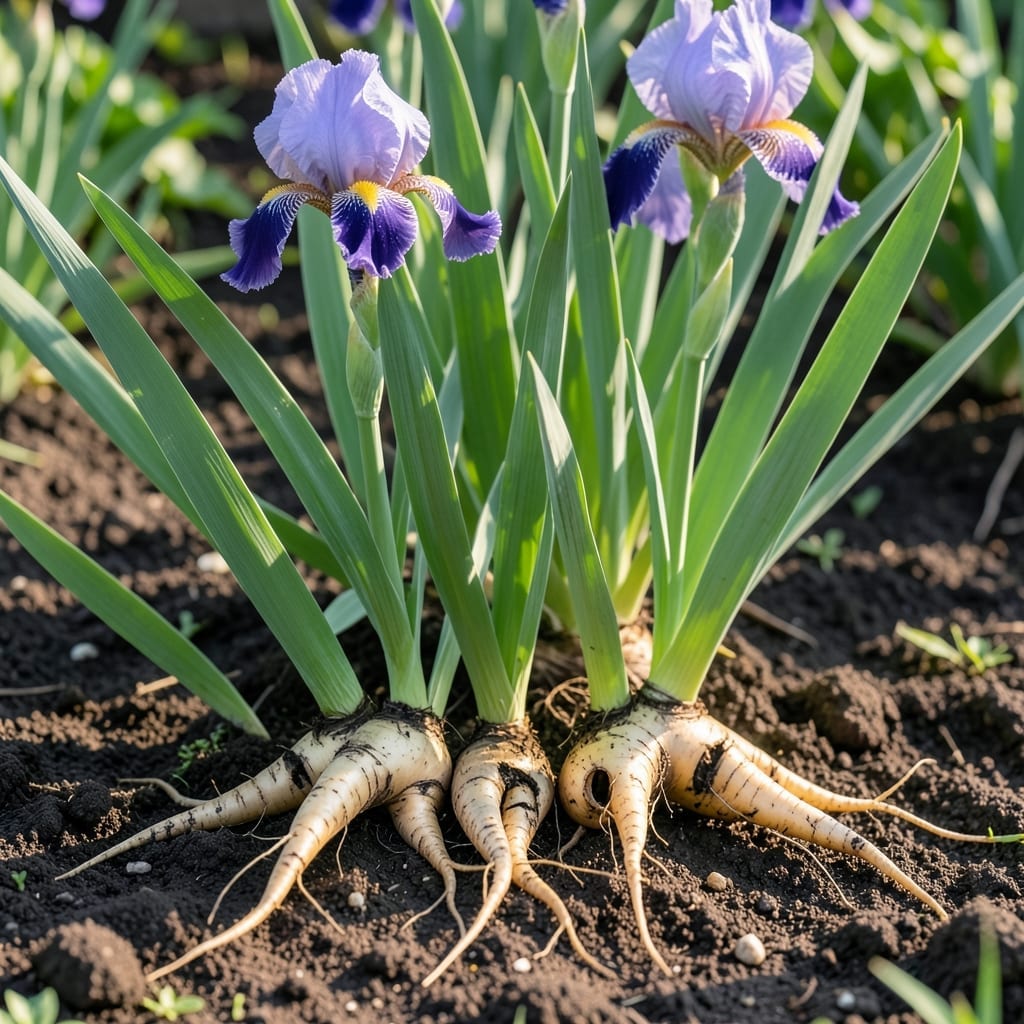
I found dime-sized holes in my iris rhizomes last spring and panicked. Turns out, most gardeners face this at some point—it’s usually iris borers or rot, not a death sentence for your plants.
Here’s the thing—those holes often start with eggs laid in fall, so timing your treatment matters. I learned the hard way that ignoring early signs leads to wilted leaves and stunted blooms by summer.
You can save your irises with a few organic fixes. The key is catching it early and being consistent with prevention. My beds bounced back completely within one season.
Works for all iris varieties, whether you’re growing in full sun or partial shade. Let’s tackle this together.
Holes in iris rhizomes are often a sign of underlying issues, usually tied to pests, disease, or environmental stress. Understanding the root causes helps you address the problem effectively.
The most common culprit is the iris borer (Macronoctua onusta), a moth larva that tunnels into rhizomes, creating visible holes and weak, yellowing foliage. These pests lay eggs in garden debris in late summer, and larvae hatch the following spring to burrow into plants. Infested rhizomes often feel soft or mushy.
Bacterial infections, particularly Erwinia species, cause soft rot that can lead to cavities or holes in rhizomes. This occurs in overly moist, poorly drained soil, especially during warm weather. The bacteria enter through wounds or natural openings, breaking down tissue from the inside out.
Mechanical injury from gardening tools, rough handling during division, or animal activity (like digging) can create entry points for pathogens or pests. Even small wounds can invite secondary infections that result in internal decay and hole formation.
Extreme conditions—such as waterlogged soil, drought, or freeze-thaw cycles—weaken rhizomes, making them more susceptible to pests and disease. Stressed plants lack the vigor to resist borers or fight off bacterial invaders, accelerating tissue breakdown.
Spotting holes in your iris rhizomes can be frustrating, but don’t worry—there are effective ways to tackle the issue. Below, we break down the most common causes and their organic fixes, along with prevention tips to keep your irises thriving. 🌱
If the culprit is the iris borer (a common moth larva), act fast. Dig up infested rhizomes and burn or dispose of them in sealed bags to prevent the larvae from spreading. For mild cases, trim away the affected sections with a sterilized knife and treat the remaining rhizome with Bacillus thuringiensis (Bt), a natural bacterial spray. Prevention tip: 💡 Clean up garden debris in fall, as borer eggs overwinter in dead leaves.
Holes from soft rot or bacterial infections often appear mushy and foul-smelling. Cut out the rotted portions with a clean, sharp tool and dip the rhizome in a 1:10 bleach-water solution (1 part bleach to 10 parts water) for 5 minutes to disinfect. Let it dry in the sun for a day before replanting. Prevention tip: ✨ Ensure good drainage—irises hate soggy soil! Plant rhizomes in well-draining beds or raised mounds.
Small, clean-cut holes may signal rodents or voles. Protect rhizomes by surrounding them with hardware cloth or chicken wire buried 6 inches deep. You can also plant rhizomes in wire baskets before setting them in the ground. Prevention tip: 🎯 Keep the garden free of mulch piles and tall grass, which attract rodents.
Fungal infections (like leaf spot) can weaken rhizomes, making them prone to holes. Remove infected foliage and apply a copper-based fungicide or neem oil spray. Improve airflow by thinning crowded plants and avoiding overhead watering. Prevention tip: 🌡️ Water in the early morning so foliage dries quickly in the sun.
With these steps, your irises will bounce back healthier and hole-free! Stay vigilant, and your garden will thank you. 🌸
Yes, if caught early! Trim away damaged sections with a sterilized knife and treat with Bacillus thuringiensis (Bt). Ensure the remaining portion is firm and free of soft spots before replanting.
Check rhizomes in early spring before new growth starts or in late summer after blooming. Look for entry holes, softness, or foul odors. Early detection prevents pests from spreading.
Remove garden debris in fall to eliminate borer eggs. Improve drainage and avoid overwatering. Plant rhizomes in well-draining soil or raised beds for better airflow.
No, organic methods work well. Use neem oil or copper fungicide for fungal issues, and Bt for borers. Physical barriers like wire baskets deter rodents without chemicals.