
Beautiful Plants For Your Interior
Beautiful Plants For Your Interior
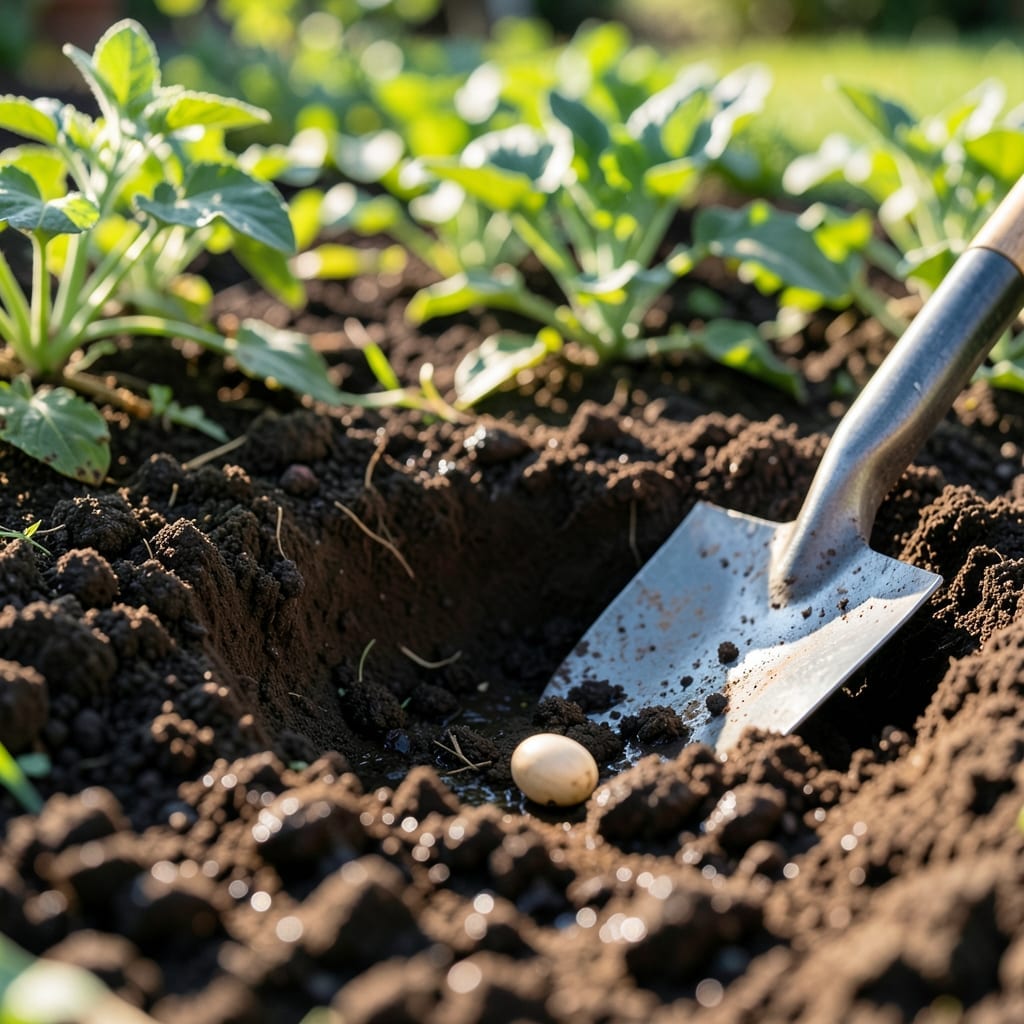
That hole in your garden soil isn’t just an eyesore—it’s a clue. I’ve found three common culprits behind mysterious dirt depressions, and none of them are good news left unchecked.
Whether it’s burrowing critters, poor drainage, or root rot, each leaves a distinct signature. The fixes are simpler than you’d think: a bit of sleuthing and the right countermeasures restore your soil’s integrity fast.
You’ll spot the difference within days, not weeks. Healthy plants, stable ground, and no more surprise sinkholes ruining your hard work.
Prevention takes 10 minutes a week once you know what to look for. Here’s how to keep your garden solid and productive.
Understanding why holes appear in your garden soil is the first step to fixing them. Here are the most common culprits, explained in simple terms:
Small holes (1-3 inches wide) are often dug by squirrels, chipmunks, or voles burying food or nesting. Larger tunnels may signal moles or gophers, which create underground pathways while hunting insects or roots. Look for loose dirt mounds or chewed plants nearby.
Heavy rain or poor drainage can wash away soil, leaving shallow depressions. This is especially common in clay-heavy or compacted soil, where water pools and carves out weak spots. Check for standing water after storms to confirm this cause.
When old tree roots or buried wood decompose, they leave behind empty spaces. Over time, the soil above collapses into these voids, creating sunken patches. This is typical in gardens with recently removed trees or stumps.
Foot traffic, garden tools, or vehicle tires can compress soil, causing it to settle unevenly. Repeated pressure in the same spot (like a wheelbarrow path) often leads to dips. Loosening the soil and adding organic matter can restore its structure.
Identify the cause first, then choose the right fix—whether it’s deterring pests, improving drainage, or amending the soil!
Uneven patches or holes in your garden soil can be frustrating, but most issues are simple to fix with the right approach. Below are practical solutions tailored to common causes, along with tips to keep your garden smooth and healthy.
Frequent walking or heavy equipment can compact soil, causing dips. Fix: Loosen the area with a garden fork, then top-dress with a mix of compost and topsoil. Level with a rake and water lightly to settle. Prevention tip: 💡 Lay stepping stones or mulch in high-traffic areas to distribute weight.
Water can wash away soil, leaving low spots. Fix: Fill the hole with a 50/50 mix of sand and topsoil, then tamp down. For slopes, add a thin layer of mulch to slow future erosion. Prevention tip: ✨ Improve drainage by amending soil with organic matter or installing a French drain nearby.
Critters like raccoons or moles can create holes overnight. Fix: Fill the hole with soil, then cover the area with chicken wire or a motion-activated deterrent. For persistent pests, use humane traps or natural repellents like cayenne pepper. Prevention tip: 🎯 Secure trash bins and remove food sources (e.g., fallen fruit) to discourage digging.
Old roots or rotting wood can leave voids as they break down. Fix: Remove debris, then fill the hole with fresh topsoil. Mix in compost to replenish nutrients. Prevention tip: 🌡️ Regularly turn your soil and replace mulch to avoid buildup of decaying material.
For all fixes, water the area gently after filling to help the soil settle evenly. A little maintenance goes a long way in keeping your garden bed flawless!
Loosen soil to a depth of 6-8 inches for most patches. For deeper voids from decayed roots, go 12 inches down to ensure stability. Always refill with layers of topsoil and compost for best results.
Lay chicken wire just below the surface after filling holes, then cover with mulch. Motion-activated sprinklers also work well as a temporary deterrent.
Avoid plain dirt—it often compacts again. Mix 50% topsoil with 50% sand or compost for better drainage and stability. This blend resists future settling.
Add 2-3 inches of mulch to protect soil from erosion and deter digging. For heavy traffic areas, install stepping stones or a gravel path.