
Beautiful Plants For Your Interior
Beautiful Plants For Your Interior
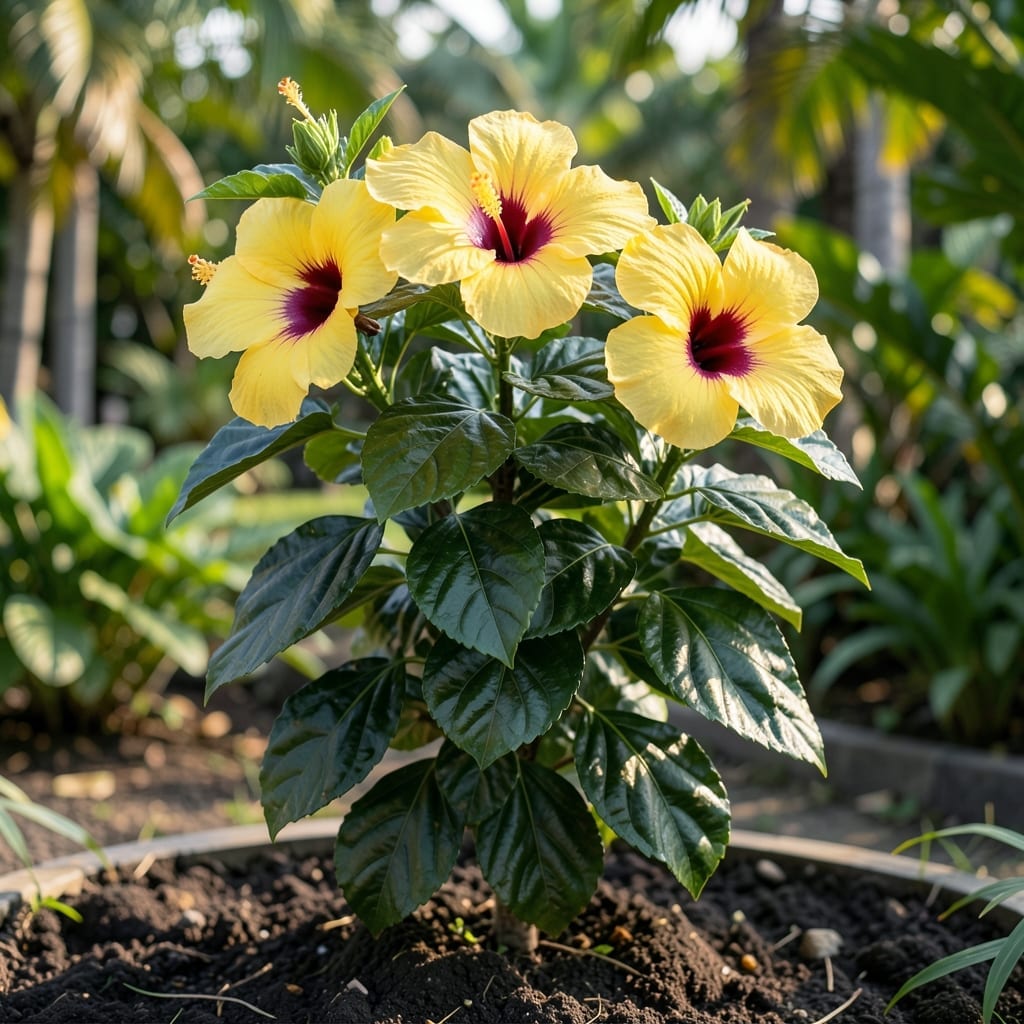
Sunset Yellow hibiscus stopped me in my tracks the first time I saw it blooming. Golden petals with a deep red center create a look that’s hard to beat in any garden.
Here’s the thing—this variety thrives with minimal fuss. It handles heat well and rewards you with dinner-plate-sized blooms all season if you give it the basics: full sun, consistent water, and well-draining soil.
I’ve found it forgives occasional neglect, making it perfect for busy gardeners. Prune it back in early spring to encourage fresh growth and even more flowers.
Works in zones 5-9, and it’s a magnet for hummingbirds and butterflies. Let’s get it growing!
The vibrant Hibiscus rosa-sinensis can lose its luster when leaves turn yellow—a sign of underlying stress. Below are the most common causes, explained with actionable insights to restore your plant’s health.
Yellowing often stems from a lack of nitrogen, magnesium, or iron. Nitrogen deficiency causes uniform yellowing (starting with older leaves), while magnesium shortage triggers interveinal chlorosis (yellowing between veins). Iron deficiency, common in alkaline soils, also leads to interveinal yellowing in new growth. Solution: Use a balanced, water-soluble fertilizer (e.g., 10-10-10) or amend soil with chelated iron for quick correction.
Root rot from soggy soil chokes oxygen supply, turning leaves yellow and wilted. Hibiscus thrives in moist but well-draining soil. Solution: Check soil moisture 2 inches deep—water only if dry. Ensure pots have drainage holes, and use a gritty potting mix (e.g., 60% soil, 40% perlite).
Too much direct sunlight can scorch leaves, while insufficient light weakens chlorophyll production, both leading to yellowing. Temperature swings (below 50°F or above 90°F) also stress the plant. Solution: Provide dappled shade in hot climates and move potted plants indoors during cold snaps.
Sap-sucking pests like aphids, spider mites, or whiteflies drain nutrients, causing yellow spots or mottling. Inspect leaf undersides for webbing or sticky residue. Solution: Blast pests off with water or apply neem oil weekly until resolved.
If your hibiscus leaves or blooms are turning an unnatural sunset yellow, don’t panic—most issues are fixable with a few targeted adjustments. Below are the most common causes and their step-by-step solutions, plus prevention tips to keep your plant thriving.
Yellowing often signals a lack of nitrogen, magnesium, or iron. Fix it by:
Prevention: Test soil pH (hibiscus prefers 6.0–6.5) and amend with compost annually. 💡
Soggy roots cause yellowing and wilting. Fix it by:
Prevention: Use a moisture meter or the finger test to avoid guesswork. 🌡️
Too much direct sun can scorch leaves, while too little causes chlorosis (yellowing). Fix it by:
Prevention: Rotate pots weekly for even light distribution. ✨
Spider mites, aphids, and whiteflies sap nutrients, leading to yellow speckling. Fix it by:
Prevention: Inspect plants weekly and introduce beneficial insects like ladybugs. 🎯
Water when the top 1-2 inches of soil feel dry. In hot weather, this may mean watering every 2-3 days, but always check soil moisture first.
This plant thrives in slightly acidic soil with a pH between 6.0-6.5. Test your soil annually and amend with compost or sulfur if needed to maintain this range.
Yes! Use a container at least 12-16 inches deep with drainage holes. Dwarf varieties do especially well in pots, but all types need consistent watering as containers dry out faster.
Insufficient sunlight or nutrient deficiencies often cause smaller blooms. Ensure it gets 6+ hours of sun daily and fertilize with a balanced 10-10-10 every 2-4 weeks.