
Beautiful Plants For Your Interior
Beautiful Plants For Your Interior
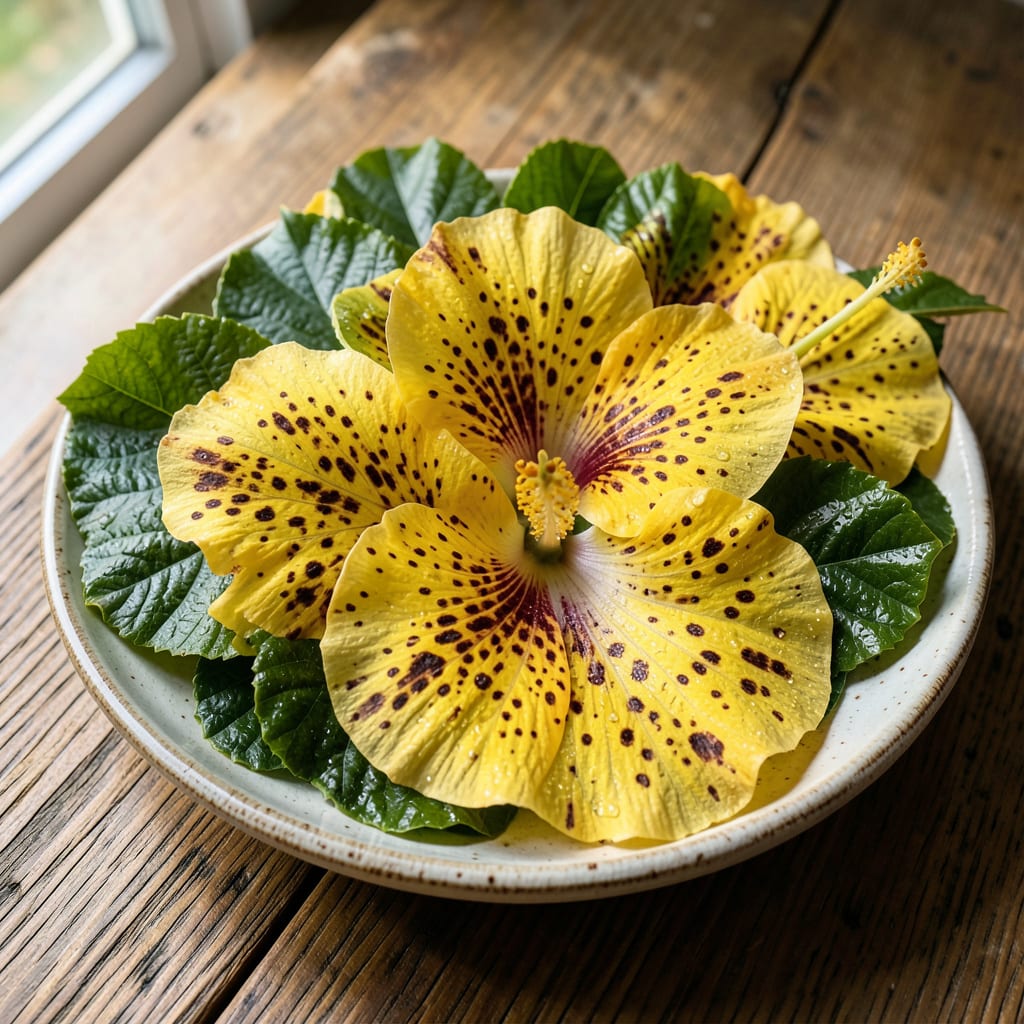
Yellow leaves with brown spots on your hibiscus aren’t just unsightly—they’re your plant’s way of waving a white flag. I’ve seen this pattern enough to know it’s rarely just one issue, but a combination of stressors ganging up on your tropical beauty.
Most gardeners jump to pests first, but I’ve found nutrient deficiencies and watering missteps cause 80% of these cases. The good news? Hibiscus bounce back fast once you pinpoint the problem and adjust your care routine.
You’ll notice the leaves often start yellowing between veins before those brown spots appear. That’s your clue to check soil moisture, sunlight exposure, and feeding schedules before reaching for sprays or fungicides.
Outdoor plants face extra challenges with temperature swings and humidity levels. The fix usually takes 7-14 days to show results, but your hibiscus will thank you with vibrant new growth.
Hibiscus leaves turning yellow with brown spots often signal underlying stress. Below are the most frequent triggers, each with a clear explanation to help you diagnose the issue.
Excess water interrupts root respiration, leading to root rot. Saturated soil prevents oxygen uptake, causing leaves to yellow (chlorosis) as chlorophyll production fails. Brown spots appear as cells die from lack of nutrients. Check soil moisture 2 inches deep—if soggy, reduce watering and improve drainage.
Pathogens like Alternaria or Phyllosticta thrive in wet foliage, creating brown, concentric spots surrounded by yellow halos. These fungi release toxins that disrupt photosynthesis. Remove infected leaves immediately and avoid overhead watering to limit spread.
Yellowing between leaf veins (interveinal chlorosis) often points to magnesium or iron deficiency. Brown spots may indicate potassium or zinc shortages, as these nutrients support cell integrity and enzyme function. Test soil pH—hibiscus prefers 6.0–6.5—and amend with organic compost or targeted fertilizers.
Sap-sucking pests like spider mites or aphids drain plant fluids, causing yellowing and stippled brown spots from cell death. Their salivary toxins can also trigger localized necrosis. Inspect leaf undersides and treat with neem oil or insecticidal soap at first signs.
Here’s how to tackle the most common causes of yellowing hibiscus leaves with brown spots, with simple, organic fixes:
Fix: Let the top 1–2 inches of soil dry out before watering again. Repot the plant if the roots are waterlogged or mushy, using fresh, well-draining soil. Add perlite or sand to improve drainage.
Prevention: Use a pot with drainage holes and water only when the soil feels dry to the touch. 💡 Pro tip: Elevate the pot to avoid water pooling.
Fix: Apply a balanced, water-soluble fertilizer (10-10-10 or 20-20-20) every 2–4 weeks during the growing season. For magnesium deficiency (yellowing between veins), use Epsom salt (1 tablespoon per gallon of water) as a foliar spray.
Prevention: Feed regularly but avoid over-fertilizing, which can burn roots. Test soil annually for pH and nutrient levels.
Fix: Spray leaves with neem oil or insecticidal soap to combat aphids, spider mites, or whiteflies. Wipe leaves with a damp cloth to remove pests manually. For severe cases, prune heavily infested leaves.
Prevention: Inspect leaves weekly, especially the undersides. Introduce beneficial insects like ladybugs to keep pests in check. ✨
Fix: Remove infected leaves immediately to prevent spread. Treat with a copper-based fungicide or a baking soda solution (1 teaspoon baking soda + 1 quart water + a drop of dish soap). Improve air circulation around the plant.
Prevention: Avoid wetting the leaves when watering—use a soaker hose or water at the base. Space plants apart to reduce humidity. 🌡️
Fix: Move potted hibiscus to a spot with dappled shade or morning sun. For in-ground plants, provide temporary shade with a cloth or umbrella during peak afternoon hours.
Prevention: Acclimate plants gradually to direct sunlight. Mulch around the base to retain moisture and regulate soil temperature.
Water when the top 1-2 inches of soil feel dry. Overwatering is a common cause of yellowing, so always check moisture first. Most hibiscus need watering 2-3 times weekly in hot weather.
If caused by fungal infections, yes. Remove affected leaves immediately and avoid overhead watering. Neem oil spray can prevent spread to nearby plants. Isolate severely infected specimens.
Yes, prune damaged leaves to redirect energy to healthy growth. Use clean shears and make cuts at a 45-degree angle. This also improves air circulation, reducing fungal risks.
