
Beautiful Plants For Your Interior
Beautiful Plants For Your Interior
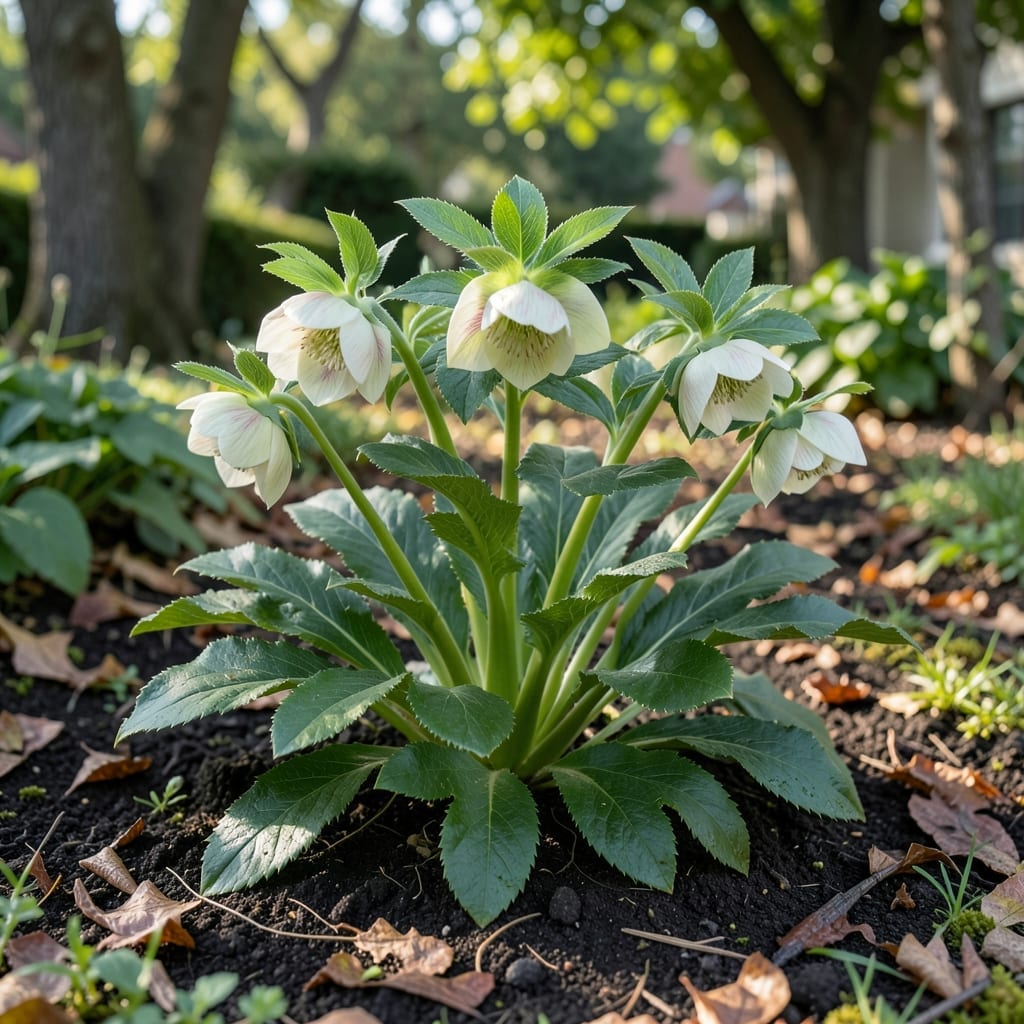
I’ve seen too many gardeners struggle with their Hellebore 🌸 simply because they got the light wrong. These beauty bloomers can be finicky about their sun exposure, and the difference between thriving and barely surviving often comes down to this one factor.
Getting the light balance right means lush blooms that last longer and healthier foliage. Whether you’re in a hot climate or a cooler zone, understanding your Hellebore’s needs is the first step to success.
Let me walk you through the ideal conditions and how to spot when your plant isn’t getting what it needs. It’s easier than you think once you know what to look for.
 Best Window Placement
If you’ve ever asked do hellebores prefer sun or shade, you’re not alone. These resilient perennials thrive in partial to full shade, especially in warmer climates. I’ve found they bloom best with morning sun and afternoon shade to protect their delicate petals.
In cooler regions, hellebores can handle more sunlight, but too much direct sun can scorch their leaves. The key is dappled light under trees or on the east side of a building. This mimics their natural woodland habitat perfectly.
| Requirement | Specification |
|---|---|
| Ideal Light | Partial to full shade |
| Sun Tolerance | Morning sun (2-4 hours) |
| Hot Climate | Full shade |
| Cool Climate | Partial sun |
I always recommend observing your garden’s light patterns. If your hellebores get 6+ hours of sun, their leaves may turn yellow or brown. This is a sure sign they need more shade, especially during the hottest part of the day.
On the flip side, too much shade can lead to fewer blooms and leggy growth. If your hellebores aren’t flowering well, try moving them to a spot with a bit more morning sunlight. This small adjustment can make a big difference.
For container-grown hellebores, place them near an east-facing window indoors or under a tree outdoors. This setup provides the filtered light they love without the risk of sunburn.
In my experience, Helleborus niger (Christmas rose) can tolerate slightly more sun than Helleborus orientalis (Lenten rose). But both prefer shade in the afternoon to keep their blooms vibrant and their foliage lush.
Remember, hellebores are woodland plants at heart. They’ve evolved to thrive under the canopy of trees, where light is gentle and indirect. Recreating this environment in your garden will give you the best results.
If you’re unsure about your garden’s light, use a sunlight calculator or observe the shadows. Spots with dappled shade most of the day are usually perfect for hellebores.
Finally, don’t forget that soil moisture and light exposure go hand in hand. Hellebores in sunnier spots may need more frequent watering to stay happy and healthy. 🌿
Not all hellebores have the same light needs. I’ve found that Helleborus niger (Christmas rose) can handle more sun than other types, thriving in partial shade to full sun in cooler climates.
On the other hand, Helleborus orientalis (Lenten rose) prefers more shade, especially in warmer areas. It does best with morning sun and afternoon shade to prevent leaf scorch.
| Variety | Light Preference |
|---|---|
| Helleborus niger | Partial sun to full sun |
| Helleborus orientalis | Partial to full shade |
| Hybrids | Partial shade |
| Hot Climates | Full shade |
For hybrid hellebores, stick to partial shade as a safe bet. These plants often inherit the shade tolerance of their parent varieties, making them versatile for most gardens.
If you’re in a hot climate, all hellebores will appreciate extra shade. I recommend planting them under deciduous trees or on the north side of buildings where they’ll get gentle, indirect light.
In cooler climates, you can push the limits a bit. Try giving your hellebores morning sun and see how they respond. If the leaves stay green and healthy, you’ve found the sweet spot.
Remember, observation is key. If your hellebores start showing signs of stress like wilting or leaf burn, adjust their light exposure. It’s all about finding the right balance for your specific variety and location. 🌸