
Beautiful Plants For Your Interior
Beautiful Plants For Your Interior
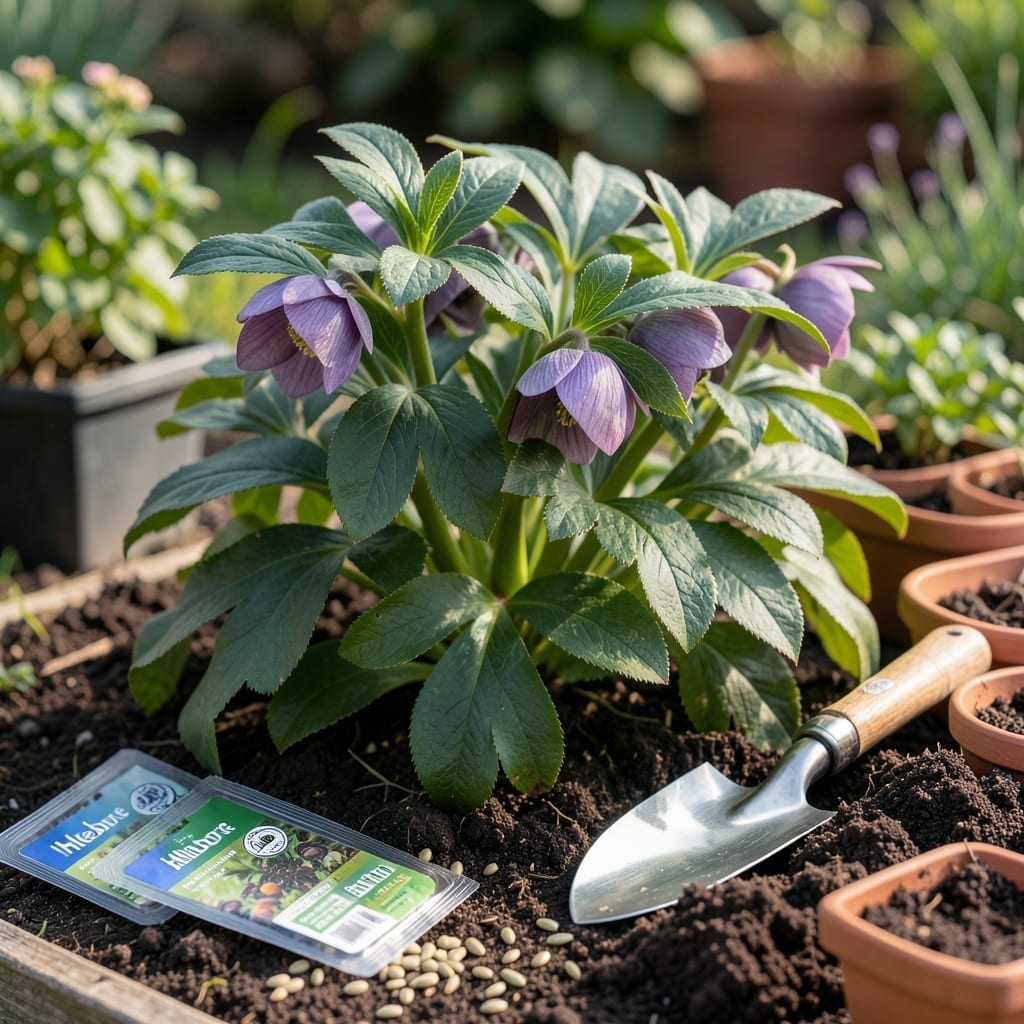
Hellebores bring year-round beauty to shaded gardens, but their seeds require precise timing to thrive. Planting at the wrong season can mean the difference between vibrant blooms and disappointing results.
Getting the timing right with 🌸 Hellebore ensures strong, healthy plants that reward you with stunning flowers. The right season makes all the difference for germination and growth.
Let me show you exactly when and how to plant these gems for the best results. You’ll be amazed at how simple it can be with the right approach.
Timing is everything when planting hellebore seeds. I’ve found that late summer to early fall works best for most gardeners. This timing allows seeds to experience the natural cold stratification they need to break dormancy.
The ideal window is typically August through October in most USDA zones. Planting during this period mimics the natural seed drop from mature hellebore plants, giving your seeds the best chance to germinate come spring.
Hellebore Seed Planting Timeline
| Stage | Timing | Key Action |
|---|---|---|
| Seed Collection | Late Spring | Harvest pods when green |
| Sowing | August-October | Plant fresh seeds |
| Stratification | Winter | Natural cold period |
| Germination | Early Spring | Watch for sprouts |
In warmer climates like USDA zones 7-9, you can push the planting window to November. The seeds still need that cold period, but the milder winters provide enough chill without being too harsh.
For cooler regions (zones 4-6), stick to August-September planting. This gives seeds enough time to settle before the ground freezes. I always remind gardeners that hellebore seeds won’t germinate without this cold treatment.
If you miss the fall window, don’t worry. You can still plant in early spring, but you’ll need to artificially stratify the seeds in your fridge for 6-8 weeks before sowing.
Container planting offers more flexibility. I’ve had success starting seeds indoors in late winter with artificial stratification, then transplanting outdoors after the last frost. Just remember that hellebores dislike disturbance, so handle seedlings carefully.
Soil temperature is crucial. Aim for 50-60°F during the day and cooler at night. This temperature range signals to the seeds that it’s time to prepare for germination. A shaded location helps maintain these ideal conditions.
For the best results, plant seeds 1/4 inch deep in well-draining soil. Space them 6-12 inches apart to allow for growth. Keep the soil consistently moist but not soggy during the germination period.
Remember, hellebores are slow growers. Don’t be discouraged if you don’t see sprouts immediately. With proper timing and care, you’ll be rewarded with beautiful, long-lasting blooms that brighten up your shade garden for years to come 🌸
Planting hellebore seeds in different seasons requires some adjustments. I’ve found that fall planting is most straightforward, but spring and summer can work too with the right approach.
For spring planting, you’ll need to artificially stratify seeds first. Place them in a damp paper towel inside a sealed bag, then refrigerate for 6-8 weeks before sowing outdoors.
Seasonal Planting Steps for Hellebore Seeds
In summer, the challenge is keeping seeds cool. I recommend planting in shaded areas and watering in the early morning to prevent heat stress. Mulching can help maintain soil moisture and temperature.
For container planting, use a well-draining potting mix and keep containers in a shaded spot. This method works well if you need to control the environment more precisely, especially in extreme climates.
Regardless of season, always plant seeds 1/4 inch deep and 6-12 inches apart. Hellebores prefer moist but not soggy soil, so water carefully to avoid rot.
After planting, mark your seed locations. Hellebore seeds can take several months to germinate, and it’s easy to forget where you planted them. Patience is key—these slow growers are worth the wait!
With proper seasonal adjustments, you’ll enjoy beautiful hellebore blooms that brighten your garden year after year 🌸