
Beautiful Plants For Your Interior
Beautiful Plants For Your Interior
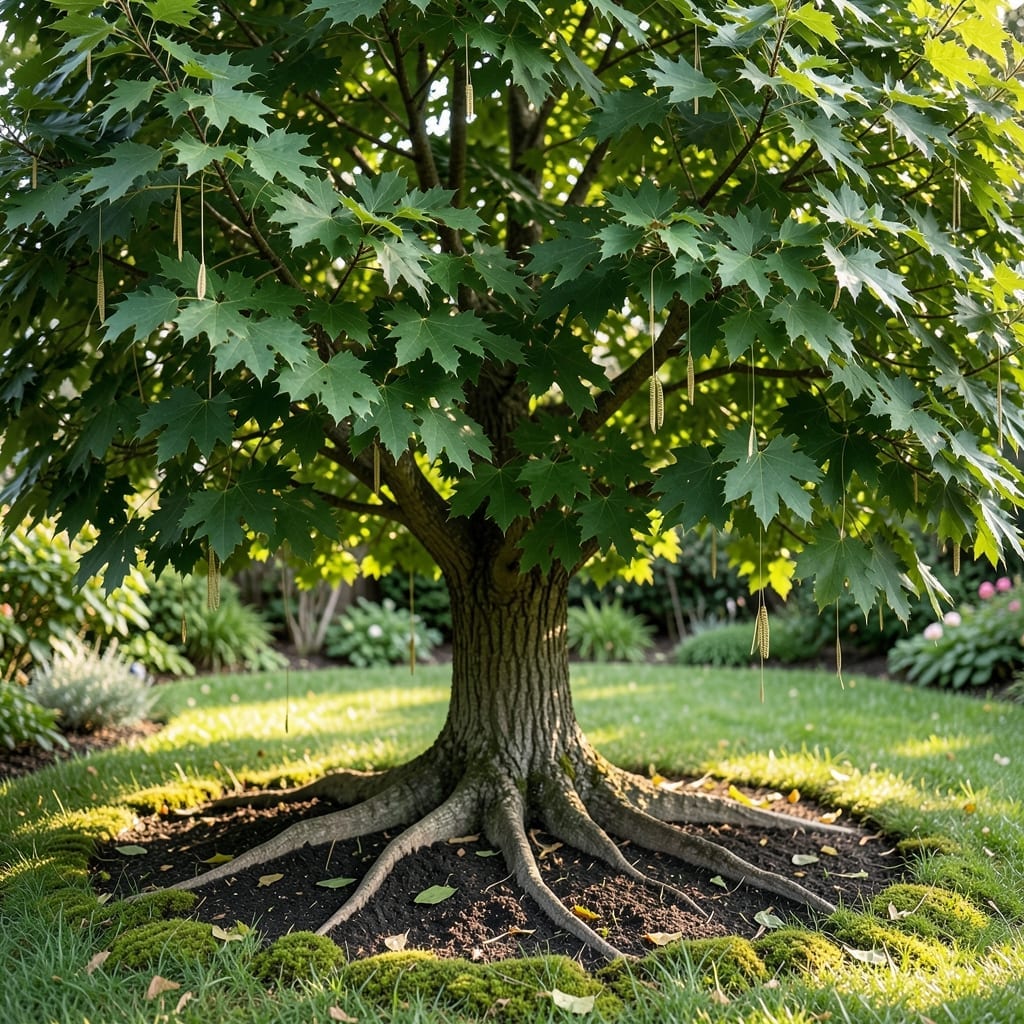
Those spinning maple seeds had me at “free trees.” I started collecting them years ago, and now my yard has more than a dozen self-planted maples—all from seeds I didn’t even have to bury.
Nature designed these for effortless growth. The winged samaras twist as they fall, planting themselves at the perfect depth. You just need to beat the squirrels to the good ones and give them a little help with timing.
Within 2-3 weeks, you’ll see sprouts if you collect fresh seeds and keep them moist. By spring, you’ll have sturdy seedlings ready for transplanting—or let them grow wild for a natural look.
Works for silver, red, and sugar maples, plus a few other tree species. The hardest part? Deciding where to stop.
Helicopter seeds, also known as samaras, twirl through the air thanks to a fascinating mix of biology and physics. Their unique design isn’t just for show—it’s a survival strategy honed over millions of years. Below are the key reasons behind this natural phenomenon.
Trees like maples and ash produce helicopter seeds to maximize dispersal distance. The winged structure allows seeds to catch the wind, carrying them far from the parent tree. This reduces competition for resources like sunlight, water, and soil nutrients, giving the seedlings a better chance to thrive. Over time, trees with the most effective seed dispersal mechanisms were more likely to reproduce, leading to the refined design we see today.
The shape of a helicopter seed is a marvel of natural engineering. The asymmetrical wing creates lift and drag, causing the seed to spin as it falls. This autorotation slows its descent, giving the wind more time to carry it away. Studies show that the spinning motion can increase dispersal distance by up to 40% compared to non-spinning seeds. The angle and weight distribution of the seed are finely tuned to optimize this effect.
Seed dispersal often aligns with seasonal changes. In temperate climates, helicopter seeds typically ripen in late summer or early fall, when winds are stronger and more predictable. This timing ensures seeds are released when conditions are ideal for travel. Additionally, some trees release seeds in response to moisture levels or temperature shifts, ensuring the best possible start for the next generation.
Helicopter seeds, or samaras, can sometimes struggle to germinate or grow properly. Below are practical solutions to common problems, along with prevention tips to ensure success.
Fix: Soak seeds in lukewarm water for 24–48 hours before planting to soften the hard outer shell. This mimics natural conditions and speeds up germination. Plant them in moist, well-draining soil at a depth of about ½ inch.
Prevention: Use fresh seeds collected in the fall, as older seeds lose viability. Store them in a cool, dry place until ready to plant.
Fix: Thin out seedlings once they sprout their first true leaves. Gently pull the weakest ones, leaving the strongest 3–4 inches apart. Transplant extras to another area or a pot.
Prevention: Space seeds at least 2 inches apart when sowing. This gives each seedling room to grow without competing for nutrients and light.
Fix: Check soil moisture by sticking your finger 1 inch into the soil. If it feels dry, water lightly. If soggy, hold off and let it dry out. Use a spray bottle to avoid dislodging seeds or seedlings.
Prevention: Plant in well-draining soil and water consistently but moderately. Mulch with a thin layer of organic material to retain moisture without waterlogging.
Fix: If you notice aphids or other pests, spray seedlings with a mixture of water and mild soap (1 tsp soap per quart of water). For slugs, use beer traps or diatomaceous earth around the planting area.
Prevention: Keep the garden clean and free of debris where pests can hide. Introduce beneficial insects like ladybugs to control pest populations naturally.
For faster growth, plant helicopter seeds in a sunny spot with at least 6 hours of direct sunlight daily. Fertilize lightly with a balanced, slow-release fertilizer once seedlings are a few inches tall.
Maple trees are the most common, including sugar, red, and silver varieties. Other trees like ash and elm also produce similar winged seeds.
Gather seeds in late summer or early fall when they turn brown and begin to drop. Look for dry, crisp seeds that easily detach from the tree.
Fresh seeds germinate best, but you can store them in a cool, dry place for up to 3 months. Soak before planting to improve success rates.
Old or overly dry seeds lose viability. Ensure consistent moisture and plant at a depth of ½ inch for best results.